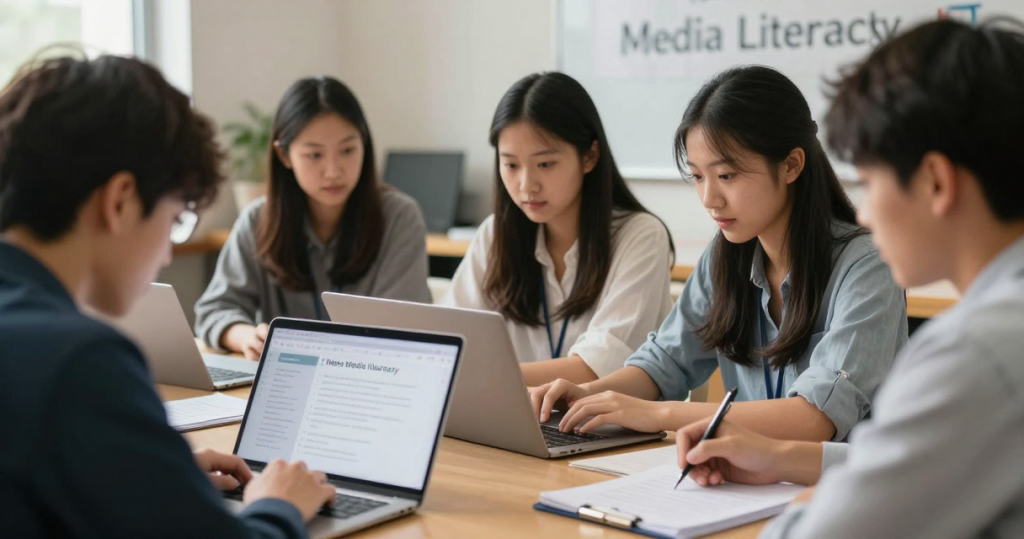
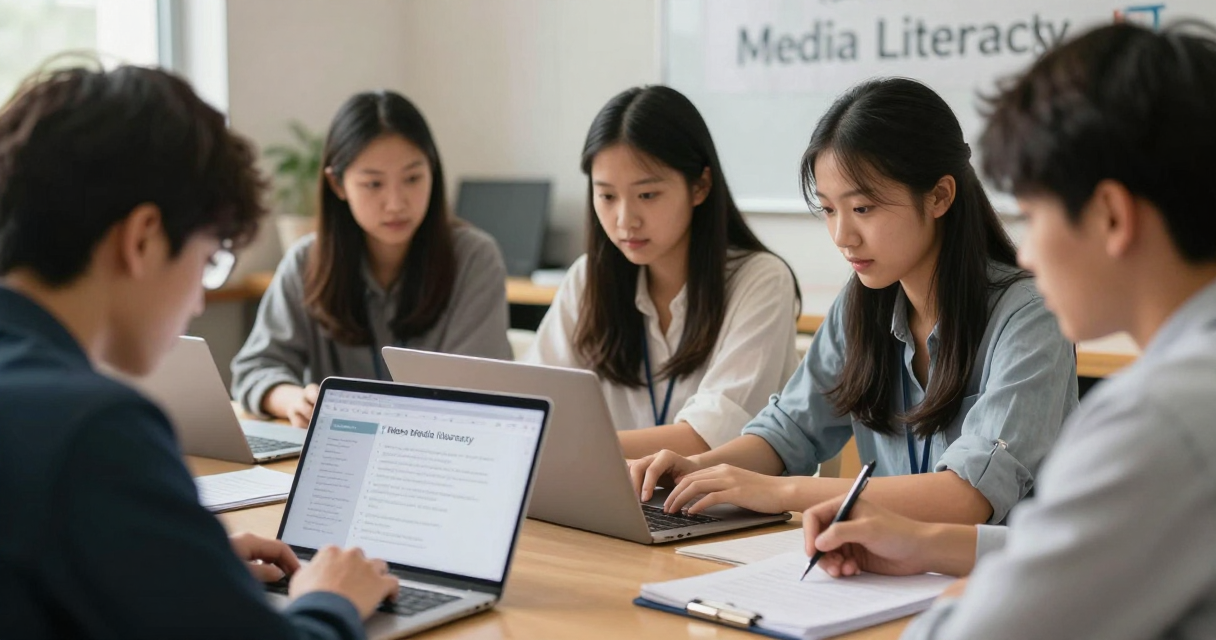
Media literacy is an essential skill in today’s information-driven society, particularly for students in college journalism programs like those at the University of Wisconsin-Parkside. As future journalists, students must not only learn how to create and disseminate content but also understand the nuances of media consumption, the impact of misinformation, and the ethical responsibilities that come with the profession. This article explores the concept of media literacy in college journalism, focusing on its significance, challenges, and practical applications for students involved in the Parkside Student Newspaper.
Understanding Media Literacy in Journalism Education
Media literacy encompasses the ability to access, analyze, evaluate, and create media in various forms. For journalism students at the University of Wisconsin-Parkside, this means developing critical thinking skills to discern credible sources from unreliable ones. In an age where misinformation spreads rapidly through social media, it is vital for students to be equipped with tools that help them navigate the complexities of media messages. By fostering media literacy, educators empower students to engage responsibly with content and become informed communicators.
The curriculum at Parkside emphasizes the importance of media literacy by integrating it into various courses. This includes workshops on fact-checking, understanding bias, and recognizing the influence of algorithms on news dissemination. Students are encouraged to question the sources of their information and to consider the broader implications of their reporting. This foundational knowledge is crucial for their future careers as journalists, where they will face the challenge of maintaining integrity in their work amidst a landscape rife with sensationalism.
The Role of Critical Thinking in Media Literacy
Critical thinking is a cornerstone of media literacy, particularly in the context of journalism. Parkside students are taught to analyze news stories critically, assessing the validity of the information presented. This involves evaluating the credibility of sources, understanding the context in which information is shared, and recognizing the potential biases that may affect reporting. For instance, a student writing for the Parkside Student Newspaper must consider not only the facts but also how those facts are framed and the potential impact on the audience.
By fostering critical thinking skills, the journalism program at Parkside prepares students to confront challenges such as misinformation and biased reporting. These skills are not just theoretical; they are applied in practical settings, including editorial meetings and writing assignments. As students engage with real-world issues, they learn to ask probing questions and seek out diverse perspectives, ultimately enhancing the quality and reliability of their reporting.
Challenges in Developing Media Literacy
Despite the emphasis on media literacy, several challenges persist in its development within college journalism programs. One significant issue is the overwhelming volume of information available online. With countless sources competing for attention, students often struggle to determine which ones are trustworthy. This challenge is compounded by the prevalence of clickbait headlines and sensationalist reporting that can distort public perception.
Another challenge is the varying levels of media literacy among students entering the program. Some may come from backgrounds where media education was prioritized, while others may have little experience with critical analysis. This disparity can create gaps in understanding, making it essential for educators to tailor their approaches to meet diverse needs. At Parkside, faculty members work to create an inclusive environment where all students can develop their media literacy skills, regardless of their starting point.
Practical Applications of Media Literacy in Student Journalism
For students at the University of Wisconsin-Parkside, applying media literacy skills to their work in the student newspaper is a vital exercise. Each article they produce serves as an opportunity to practice evaluating sources, checking facts, and understanding the ethics of journalism. For example, when covering campus events or local issues, students are encouraged to seek multiple sources to verify information, ensuring that their reporting is accurate and fair.
Additionally, practical assignments often involve analyzing existing media coverage of similar topics. By comparing their own reporting with that of established news outlets, students can identify strengths and weaknesses in their approach, fostering a deeper understanding of journalistic standards. This hands-on experience not only sharpens their skills but also reinforces the importance of media literacy in producing credible journalism.
The Impact of Social Media on Journalism and Media Literacy
Social media has transformed the way news is consumed and disseminated, presenting both opportunities and challenges for journalism students. Platforms like Twitter and Facebook allow for rapid sharing of information, but they also contribute to the spread of misinformation. Students at Parkside must navigate this landscape carefully, learning to distinguish between reliable news and misleading content that can easily go viral.

Moreover, social media can serve as a valuable tool for journalists to engage with their audience. Parkside students are taught to use these platforms not only to share their work but also to gather insights and feedback from readers. Understanding how to leverage social media effectively while remaining vigilant about misinformation is a crucial aspect of their media literacy education. This dual focus prepares them for the realities of modern journalism, where the line between content creator and consumer is increasingly blurred.
Addressing Misinformation and Ethical Responsibilities
In a world where misinformation is rampant, addressing its impact is a key component of media literacy education. Journalism students at the University of Wisconsin-Parkside are trained to recognize the signs of misinformation and to approach their reporting with a strong ethical framework. This includes understanding the responsibility they have to their audience and the broader community.
Students learn to approach their work with integrity, ensuring that they uphold ethical standards in their reporting. This involves fact-checking, providing context, and being transparent about sources. By instilling a sense of ethical responsibility, educators equip future journalists with the mindset needed to combat misinformation and promote trust in the media. This commitment to ethical journalism is essential for fostering a well-informed public, which is the cornerstone of a healthy democracy.

I grew up in the Milwaukee area and have always loved campus life, so covering UW‑Parkside’s student newspaper feels like home. I enjoy highlighting the stories that matter to our community and helping students find their voice.