At the University of Wisconsin‑Parkside, stepping into research as a freshman is no longer a distant dream reserved for senior scholars. The campus has built a network of programs that invite new students to join faculty labs, contribute to community projects, and get involved in campus journalism by publishing findings in the campus newspaper. Early involvement sharpens critical thinking, boosts resumes, and often leads to internship opportunities for undergraduates that pay for tuition. For many first‑year students, the first research experience sets the tone for the entire college journey, turning curiosity into concrete skill. Understanding the pathways available helps every newcomer navigate the options with confidence.
Getting Started: The Freshman Research Initiative at UW‑Parkside
The Freshman Research Initiative (FRI) is a campus‑wide effort that pairs new students with faculty mentors during the first semester. Participants receive a brief orientation, a research skills workshop, and a matching process that considers academic interests and career goals. Once paired, students join a research team for a semester‑long project, contributing to data collection, literature reviews, or experimental design under close supervision. The program tracks participation rates, and in its third year, more than 120 freshmen engaged in at least one research activity, reflecting a growing culture of early inquiry. By the end of the semester, each student submits a concise report that can be featured in the student newspaper or presented at a campus symposium.
Beyond the structured FRI, the university offers a “Research Foundations” course that fulfills a general education requirement while immersing students in hands‑on projects. This 3‑credit class meets twice weekly in a lab setting, where students learn to formulate hypotheses, use statistical software, and adhere to ethical standards. Enrollment caps at 30 to maintain a supportive environment, and the syllabus includes a capstone presentation evaluated by a panel of faculty and graduate students. The course’s success is evident in the high retention rate; over 85 percent of participants continue with research in subsequent semesters.
Faculty Mentors Who Welcome First‑Year Scholars
Faculty members across the College of Liberal Arts and Sciences actively recruit freshmen for their research groups, recognizing the fresh perspectives newcomers bring. Professors in biology, psychology, and environmental studies often list “Freshman Research Assistant” positions on their departmental webpages, outlining duties such as sample preparation, field observations, and basic data entry. These roles typically require a commitment of three to five hours per week, allowing students to balance coursework while gaining real‑world experience. Mentors report that first‑year assistants frequently surprise them with innovative ideas that reshape project directions.
To streamline mentor‑student connections, the university maintains an online portal where faculty post open research positions and students submit brief interest statements. The portal includes a rating system that tracks mentor responsiveness and student satisfaction, fostering accountability. In the past academic year, the portal facilitated over 200 matches, with many students securing ongoing roles that extend beyond the initial semester. Faculty also host informal “Research Cafés” each month, offering a low‑pressure setting for freshmen to ask questions and explore potential projects.
Campus Labs Open for Early Projects
The campus houses several labs that deliberately open their doors to first‑year researchers, recognizing that early exposure cultivates long‑term scientific literacy. The Environmental Science Lab runs a “Freshman Water Quality Monitoring” program, one of several environmental research projects at Parkside where students collect samples and analyze nutrient levels using portable spectrophotometers. Participants receive hands‑on training from graduate assistants and contribute data that feed into a multi‑year study on lake health. The program reports that each cohort adds roughly 1,500 data points, significantly enhancing the robustness of the research.
On AIC Campus they explain transfer pathways—watch it right here.
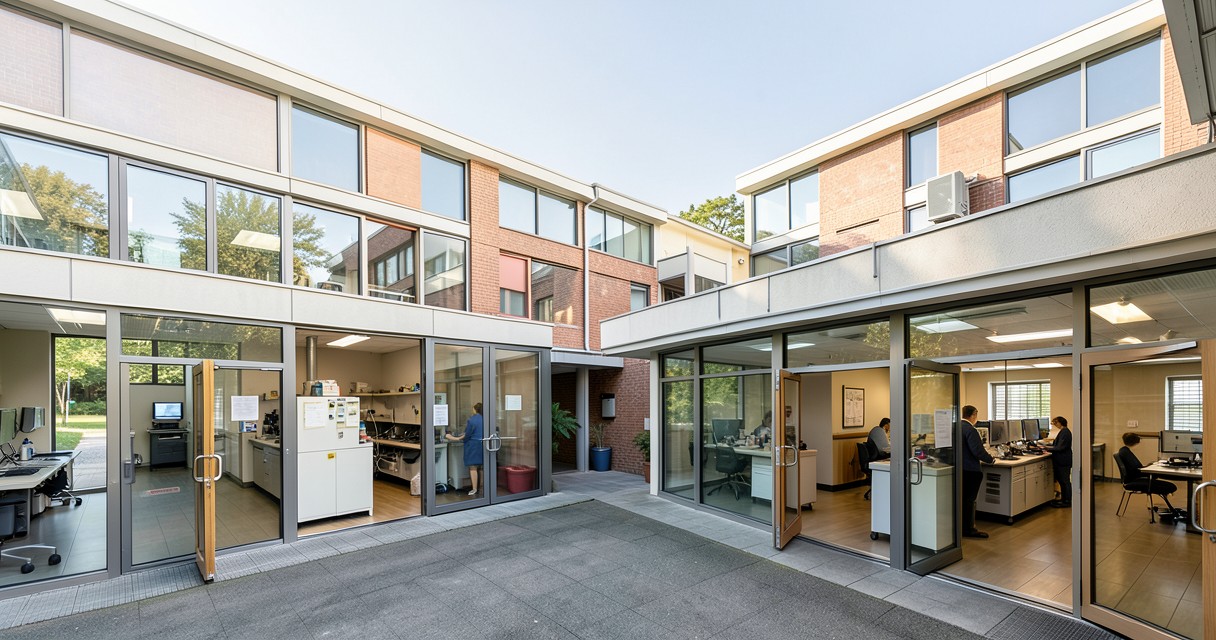
Similarly, the Psychology Department’s Cognitive Lab invites freshmen to assist in memory experiments that involve simple computerized tasks. Students learn to set up testing stations, manage participant flow, and maintain confidentiality protocols. The lab provides a stipend of $500 per semester for committed assistants, a modest incentive that also covers travel expenses for presenting findings at regional conferences. By the end of their first year, many participants have authored a co‑authored abstract, showcasing tangible outcomes of early lab involvement.
Interdisciplinary Projects Through the Student Newspaper
The University of Wisconsin‑Parkside Student Newspaper, trnonline.org, serves as a unique platform where freshmen can blend journalistic skills with research inquiry. The newspaper regularly publishes a “Research Spotlight” series highlighting undergraduate projects, and editors actively seek contributions from first‑year students eager to write about their experiences. Writing for the newspaper forces students to translate complex methodology into accessible language, a skill prized by both academic and industry employers.
In addition to feature articles, the newspaper hosts a “Data Dive” column where students analyze campus‑wide surveys on topics ranging from sustainability practices to student mental health. Contributors collaborate with faculty statisticians to ensure methodological rigor, producing faculty research highlights that often inform campus policy decisions. Participation in these projects not only enriches the newspaper’s content but also provides freshmen with a portfolio piece that demonstrates both research competence and communication ability.
Funding and Scholarships for Freshman Researchers
Financial support for early research is readily available through several university‑administered scholarships. The Freshman Research Grant awards up to $1,000 to students who propose a viable project in collaboration with a faculty mentor. Applications require a concise proposal, a budget outline, and a letter of support from the mentor, and the selection committee evaluates entries based on originality and feasibility. Since its inception, the grant has funded more than 40 projects, ranging from soil microbiome studies to sociological surveys of campus culture.
The College of Business also offers a “Entrepreneurial Research Fellowship” that encourages freshmen to explore market research and product development. Recipients receive a stipend and access to the university’s business incubator, part of the student entrepreneurship initiatives that let them prototype ideas and receive mentorship from local entrepreneurs. In the most recent cycle, three freshman fellows launched pilot ventures that later attracted seed funding from regional investors, illustrating the tangible impact of early financial backing.
Presenting Your Work: Conferences and Campus Events
Opportunities to showcase research findings are woven into the freshman experience, with several venues dedicated to student presentations. The annual “Parkside Undergraduate Research Symposium” reserves a slot for first‑year participants, allowing them to deliver a 10‑minute talk followed by a brief Q&A. The symposium attracts faculty, alumni, and community partners, providing a professional audience that can spark collaboration. In the latest edition, twelve freshmen presented posters, and three of those received awards for clarity and innovation.
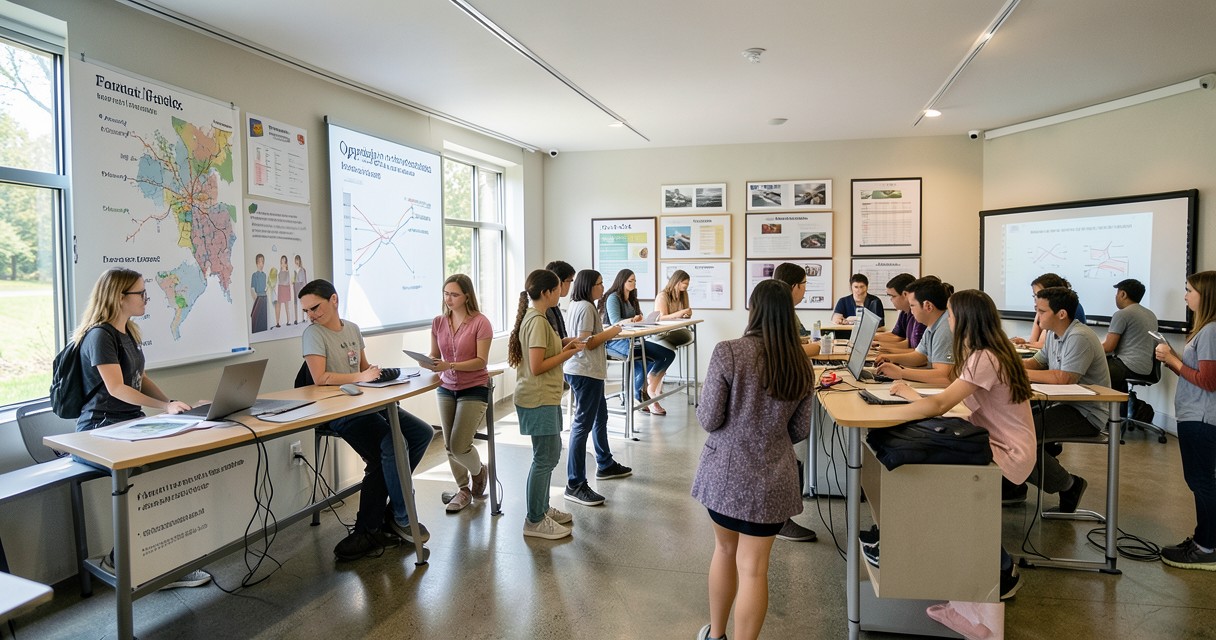
Beyond the symposium, the student newspaper organizes a “Research Roundtable” each semester where freshmen discuss challenges and successes with peers and mentors. These roundtables double as networking events, often leading to joint projects or mentorship arrangements. Additionally, the university’s Career Services Center hosts a “Research Skills Workshop” that equips students with presentation techniques, poster design tips, and strategies for effective storytelling. Attendance is high, with over 200 freshmen participating in the past year, underscoring the demand for such resources.
Building a Research Portfolio for Future Opportunities
Creating a cohesive research portfolio early in college can open doors to graduate programs, competitive internships, and scholarship applications. Freshmen are encouraged to document each project with a brief summary, methodology outline, and personal reflection, all of which can be compiled into a digital portfolio hosted on the university’s career platform. Advisors recommend updating the portfolio after each semester, ensuring that achievements remain current and relevant.
Employers and graduate admissions committees frequently request evidence of research experience, and a well‑curated portfolio can differentiate a candidate from peers. Students who have participated in the Freshman Research Initiative often cite their early work as a pivotal factor in securing summer research positions at nearby institutions such as the University of Wisconsin‑Milwaukee. By leveraging the resources offered through the student newspaper, faculty mentors, and campus labs, freshmen can build a robust foundation that supports long‑term academic and professional growth.

I grew up in the Milwaukee area and have always loved campus life, so covering UW‑Parkside’s student newspaper feels like home. I enjoy highlighting the stories that matter to our community and helping students find their voice.