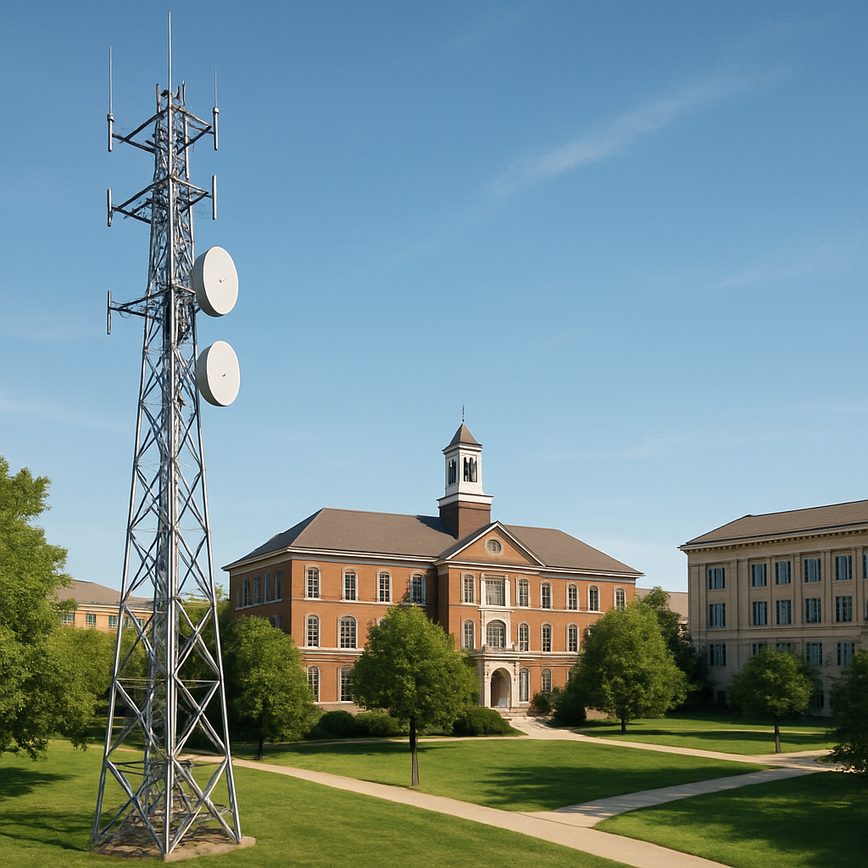
The significance of campus radio in higher education
Campus radio plays an essential role in higher education by providing a unique platform where students can express themselves freely and creatively. It acts as a vibrant outlet for student voices, allowing them to share diverse perspectives, music, and stories that resonate with their peers and the wider campus community. This direct channel of communication fosters a sense of belonging and identity among students, making campus radio an indispensable part of the university experience.
Beyond mere expression, campus radio is a powerful educational tool that contributes significantly to media education within colleges and universities. Students gain hands-on experience in various aspects of broadcasting including production, programming, and audio editing. This practical exposure not only enhances their technical skills but also nurtures critical thinking, creativity, and teamwork. For those pursuing careers in media, journalism, or communications, campus radio serves as an invaluable training ground that bridges academic theory with real-world application.
In addition to education and expression, campus radio promotes student engagement by encouraging participation from a broad spectrum of the student body. It often acts as a hub for campus events, news, and public service announcements, effectively connecting students with important issues, activities, and initiatives. By involving students from diverse backgrounds in the creation and curation of content, campus radio becomes a dynamic community-building tool that strengthens campus culture and encourages dialogue among different groups.
Furthermore, campus radio supports a spirit of inclusivity and collaboration that is vital for any higher education environment. It empowers students not only to listen and learn but also to lead and innovate, providing a space where emerging talent can flourish. As a result, campus radio enriches the educational landscape by intertwining student engagement with media education, making it a cornerstone of student life and a beacon of community within universities and colleges.
Enhancing student skills through campus media
Participation in campus radio offers students invaluable opportunities to enhance a broad range of skills that are critical for personal and professional development. One of the most significant benefits is the improvement in communication skills. Students learn how to articulate their thoughts clearly and confidently, engage listeners, and convey messages effectively through the spoken word. This real-world media training helps them become more persuasive and adaptive communicators, a valuable asset in any career.
Moreover, involvement in campus radio provides hands-on broadcasting experience that sharpens technical skills. Students gain practical knowledge in operating audio equipment, managing live broadcasts, and using digital editing software. These technical competencies are often difficult to acquire through traditional classroom settings and give students an edge in media-related fields. This direct experience prepares them to meet the demands of fast-paced media environments.
Beyond communication and technical abilities, campus media fosters leadership skills among students. Managing a radio show or a media project requires teamwork, coordination, and decision-making. Students take on roles that challenge them to lead, organize content schedules, and collaborate with peers. These leadership experiences build confidence and responsibility, equipping students to handle professional roles with poise and authority in the future.
In summary, campus radio acts as a dynamic platform for media training that cultivates essential student skills—communication, technical expertise, and leadership—empowering students for success beyond the university.
Campus radio as a voice for diverse student communities
Campus radio serves as a vital platform for amplifying the student voice, particularly those from underrepresented groups within the academic community. By providing a space for diverse perspectives, campus radio promotes inclusion and fosters a sense of belonging among students of different backgrounds. These community media outlets embrace cultural diversity, enabling various student groups to share their unique stories, music, and viewpoints that might otherwise remain unheard.
Through dedicated programming that highlights issues related to race, ethnicity, gender, and social identity, campus radio stations become catalysts for dialogue and understanding on campus. They actively engage with marginalized voices, encouraging participation from students who often face barriers in mainstream media channels. This commitment to diversity helps to create a richer, more inclusive campus culture where all members feel represented and valued.
Additionally, campus radio supports community media principles by prioritizing accessibility and collaboration. Student volunteers and producers work together to curate content that reflects the vibrant, multicultural environment of their university. The result is a dynamic broadcast that not only entertains but educates, empowering students to celebrate their heritage while learning about others. In this way, campus radio plays a crucial role in elevating the student voice and nurturing an inclusive educational experience.
Impact of campus media on local communities
Campus media, including campus radio and other university-affiliated platforms, play a crucial role in bridging the gap between universities and their surrounding communities. By delivering relevant news, showcasing local events, and promoting cultural programming, these media outlets significantly enhance community engagement and foster a sense of shared identity. The local media impact of campus radio outreach extends beyond the university’s boundaries, enriching the cultural and informational ecosystem of the wider area.
One of the primary ways campus media connects with local communities is through the dissemination of news that directly affects residents both on and off campus. This includes coverage of municipal developments, education policies, and community initiatives. Such targeted reporting ensures that the community is well informed about issues that matter to them, strengthening the ties between students, faculty, and local citizens. Campus radio stations often serve as a vital source of grassroots journalism that brings attention to local voices underrepresented in mainstream media.
Beyond news delivery, campus media excels in promoting and organizing community events. Whether it’s cultural festivals, lectures, charity drives, or local sports coverage, these platforms provide a stage for university-community interaction. Through announcements and live broadcasts, campus radio outreach helps increase attendance and awareness, thereby fostering greater participation from diverse community members. This event-driven engagement deepens the relationship between the university and its neighbors, highlighting the reciprocal benefits of collaboration.
Moreover, cultural programming forms a cornerstone of campus media’s local media impact. By featuring music, art, and storytelling that reflect both student creativity and local heritage, campus radio stations nurture a shared cultural space. This programming encourages dialogue and mutual understanding, promoting inclusiveness and broadening listeners’ perspectives. Campus media often spotlights local artists, ethnic groups, and community leaders, thus reinforcing a collective cultural identity that transcends campus life.
In summary, campus media plays a vital role in connecting universities with their communities through consistent, relevant news coverage, active promotion of local events, and enriching cultural programming. Such outreach not only informs but also engages and unites the community, enhancing the educational mission of institutions by rooted, participatory dialogue. The influence of campus media solidifies the university as an integral and interactive part of the broader local landscape.
Collaborations between campus media and local organizations
Campus radio stations often establish valuable partnerships with local nonprofits, businesses, and cultural groups, fostering community collaboration that benefits both parties. These joint projects enable campus media to extend their reach and impact while providing local organizations with a platform to share their message. For example, a campus radio station might partner with a nonprofit focused on environmental conservation to co-produce a weekly show highlighting local sustainability efforts. This not only raises awareness among students and residents but also engages the broader community in meaningful conversations.
Another example is collaborating with local businesses to sponsor events or create advertising campaigns, which can generate funding for the radio station while promoting commercial ventures in the area. Cultural groups also benefit from these partnerships by gaining exposure through specialized programming that celebrates diverse heritages and community traditions. Such collaborations deepen ties between the campus and the surrounding community, making the media outlet a hub for local culture and social issues.
Beyond content creation, these partnerships promote skills development for student broadcasters, from event planning to marketing and communications. Ultimately, campus media’s collaboration with local organizations enriches the cultural landscape, strengthens community engagement, and supports the mission of both institutions through shared resources and mutual goals.
Raising awareness on social issues through campus platforms
Student-led media outlets play a crucial role in addressing social issues by leveraging campus platforms to engage their peers and the wider community. Through dynamic awareness campaigns, these outlets highlight critical topics such as mental health, environmental sustainability, racial equality, and gender rights. Their unique position on campus allows them to bring attention to underrepresented voices and foster meaningful dialogue around pressing social challenges.
These media outlets serve as powerful vehicles for student activism, mobilizing listeners to take part in social movements and community initiatives. By combining compelling storytelling with factual reporting, they inspire and empower students to become active participants in societal change. Their coverage often extends beyond campus borders, influencing broader societal perspectives and encouraging civic engagement among young audiences.
- Highlighting social issues through dedicated programs and special segments
- Organizing and promoting awareness campaigns focused on topics affecting both campuses and society
- Providing a platform for diverse student voices to share experiences and solutions
- Facilitating dialogue between students, faculty, and community leaders on social justice matters
- Using multimedia channels to amplify messages and encourage grassroots activism
- Collaborating with campus organizations to support inclusive and impactful social initiatives
- Encouraging listener participation through call-ins, social media engagement, and live events
Challenges and future trends in campus radio and media
Campus radio and media currently face significant challenges that impact their ability to thrive and evolve. One of the primary media challenges is securing consistent funding. Traditional sources of financial support, like university budgets and local sponsorships, have become increasingly limited. This financial strain affects everything from equipment upgrades to staffing, making it difficult for campus media outlets to stay competitive and innovative. Without adequate funding, maintaining quality programming and expanding reach becomes a constant struggle.
Alongside funding issues, campus radio stations and media are grappling with rapid digital transformation. The shift from analog to digital platforms requires investment in new technologies and training for staff and volunteers. Adapting to these technological shifts is essential for survival but often challenging due to limited resources. Many campus media organizations must navigate this transition while still delivering content through traditional channels, balancing both old and new methods to reach diverse audiences.
Despite these hurdles, exciting future trends signal a promising evolution for campus radio and media. Digital streaming has emerged as a powerful tool, enabling stations to reach a global audience beyond the confines of the campus. This expansion allows students and creators to share diverse voices and innovative content with a broader community, enhancing the cultural relevance of campus media.
Similarly, podcasting is revolutionizing the campus media landscape. Podcasts provide a flexible, on-demand platform that complements traditional broadcasting. They allow deeper exploration of topics, storytelling, and engagement with listeners, widening the scope of campus media production. This trend aligns with shifting media consumption habits, particularly among younger audiences who prefer personalized, accessible content.
In summary, while campus radio and media face undeniable media challenges such as funding shortages and the demands of digital transformation, embracing new technologies like digital streaming and podcasting is charting the path forward. These future trends underscore the ongoing campus radio evolution, promising richer, more inclusive, and far-reaching media experiences for both creators and audiences alike.
Adapting to digital advancements in campus broadcasting
Campus media has embraced numerous digital tools to maintain relevance and broaden its audience in an increasingly connected world. Modern technologies such as digital radio, streaming technology, and podcasting have revolutionized how campus stations engage with listeners beyond traditional airwaves, catering to the preferences of today’s digital-savvy audience.
- Digital radio: Allows campus broadcasters to deliver clearer, high-quality audio, often with interactive features, providing a superior listening experience compared to analog formats.
- Streaming technology: Empowers campus radio to reach global audiences by broadcasting live content over the internet, breaking geographical barriers and enabling real-time interaction with listeners.
- Podcasting: Offers opportunities for in-depth storytelling and content on demand, letting students create diverse shows accessible anytime, fitting modern listeners’ schedules and interests.
- Media innovation: Integrating social media platforms, mobile apps, and multimedia content enhances accessibility and audience engagement, ensuring campus media stays current and adaptable to changing consumption habits.
By leveraging these digital advancements, campus media not only expands its reach but also cultivates a more interactive and inclusive environment. This evolution is essential for sustaining audience growth and keeping campus broadcasting vibrant and impactful in the digital age.
Sustaining campus media through funding and volunteerism
One of the primary challenges campus media face is securing consistent funding to support their activities. Campus media sustainability hinges on overcoming these funding challenges by diversifying revenue streams. Student-led outlets can explore a mix of institutional grants, sponsorships from local businesses, crowdfunding campaigns, and advertising partnerships to build a more stable financial foundation. Additionally, transparent budgeting and prudent financial management help ensure that available funds are used effectively, preventing shortfalls that could disrupt operations.
Beyond financial resources, volunteer support is crucial for the ongoing success and growth of campus media. Recruiting a dedicated team of student volunteers who are passionate about journalism and media enables these outlets to maintain consistent content production without incurring excessive labor costs. Offering training opportunities and leadership roles can motivate volunteers and foster a sense of ownership and commitment. Coordinating flexible schedules and recognizing volunteer contributions also help retain support.
Strategically combining efforts to address both funding challenges and volunteer support creates a sustainable model for campus media. By cultivating relationships with university administration, alumni, and the wider community, student media outlets can tap into valuable networks for both financial backing and volunteer recruitment. This holistic approach ensures that campus media continue to serve their essential role as platforms for student voices, providing enriching educational experiences and fostering vibrant campus culture.

I grew up in the Milwaukee area and have always loved campus life, so covering UW‑Parkside’s student newspaper feels like home. I enjoy highlighting the stories that matter to our community and helping students find their voice.