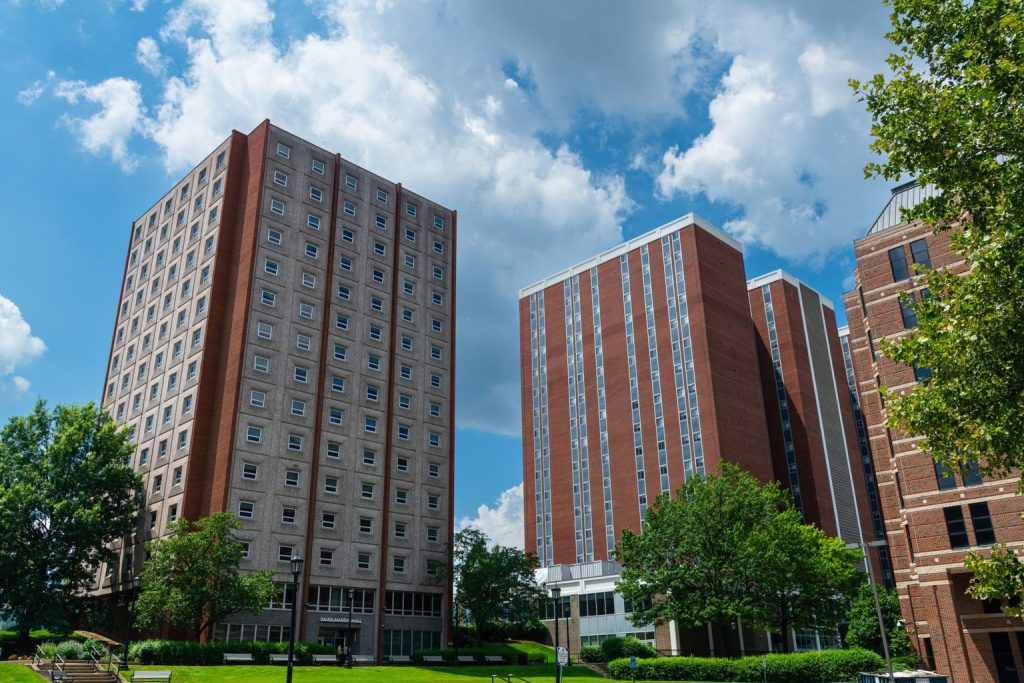

At the University of Wisconsin‑Parkside, students, faculty, and staff share a common goal: to create a healthy, thriving campus. Public health initiatives that run through dorms, lecture halls, and athletic fields help protect everyone from illness, stress, and injury. This guide explains how the UW-Parkside community can engage student organizations to organize, implement, and improve health initiatives across campus with actionable advice and case studies. By following these stages, students can take ownership of their well‑being and inspire peers to do the same. Each section breaks down a phase of the process, from assessment to ongoing improvement, so you can build initiatives that last.
Assess the Campus Health Landscape
Start by assessing existing health resources and identifying gaps on campus. Start with a data audit that includes the Student Health Center’s service usage, emergency department visits, and vaccination records. Compare these numbers to state and national averages to spot trends that need attention. Include student surveys that ask about mental health support, nutrition habits, and physical activity levels. These surveys should be anonymous to encourage honesty and should be distributed through email, social media, and in‑person flyers. The resulting profile will reveal priority areas such as mental health counseling, flu vaccination outreach, or safe eating options in dining halls.
Next, interview key stakeholders, health center staff, campus safety officers, and local health agencies. Ask about past initiatives, funding streams, and logistical hurdles. Use the information to create a SWOT analysis that highlights strengths like the campus health center’s 24‑hour availability, weaknesses such as limited mental health hours, opportunities like partnerships with the UW‑Madison School of Public Health, and threats including potential budget cuts. This assessment will set the foundation for a focused, data‑driven plan that addresses real needs.
Build a Student‑Led Health Committee
Form a diverse committee that represents students, faculty, and staff. Include members from health‑related majors, student government, athletic teams, and cultural clubs. The committee should meet monthly and have a clear charter that outlines goals, responsibilities, and decision‑making processes. Use a shared digital workspace to keep minutes, action items, and resources organized. Encourage rotating leadership roles so that new voices can shape the agenda and keep momentum high.
Establish a partnership with the Student Health Center’s administration to gain access to data, expert guidance, and potential funding. The committee can also coordinate with the university’s Office of Student Affairs to align initiatives with broader campus policies. By embedding the committee within existing structures, the group gains legitimacy and easier access to resources like campus radio, newsletters, and event spaces.
Design Inclusive Wellness Campaigns
Once the committee has identified priority areas, craft campaigns that resonate with the campus community. Use evidence‑based messaging that aligns with CDC recommendations, such as the importance of hand hygiene, vaccination, and mental health check‑ins. Visual elements should be inclusive, featuring diverse students and staff to promote a sense of belonging. Campaigns can include posters, digital ads, and short videos posted on the campus social media channels and the university’s website.
On Radhika Panwar’s channel, they cover study tips and experiences — you can watch it right here.

Plan interactive events that encourage participation. For example, a “Health Fair” can offer free flu shots, nutrition counseling, and stress‑management workshops. Collaborate with nearby vendors to offer students affordable healthy snacks and special deals. Use QR codes on posters that link to quick surveys or sign‑up forms, making engagement effortless. Track attendance and feedback to adjust the messaging and event format for future iterations.
Leverage Technology for Health Tracking
Deploy campus‑approved apps that allow students to monitor their health metrics. The Student Health Center can integrate a secure portal where students log symptoms, track vaccination status, and schedule appointments. The university’s mobile platform can push reminders for flu shots, mental health check‑ins, or campus events. Ensure strict compliance with data privacy rules, adhering to HIPAA standards and university regulations.
Use aggregated, anonymized data to identify trends such as peaks in flu cases or increased anxiety during exam periods. Share these insights with the committee and campus health staff to inform targeted interventions. For instance, if data shows higher stress levels in the weeks leading up to finals, the committee can schedule additional counseling sessions or mindfulness workshops during that period.
Partner with Local Health Agencies
Collaborate with the Milwaukee County Health Department and the Wisconsin Department of Health Services for resources, expertise, and funding. Joint initiatives can include vaccination drives, health education seminars, and community outreach programs that involve students. These partnerships can also provide access to public health data that enriches campus initiatives and aligns them with statewide health goals.
Engage with the UW‑Madison School of Public Health for research collaborations. Students can participate in studies that evaluate the impact of campus health programs, gaining real‑world research experience while contributing to evidence‑based practice. Faculty advisors from the public health department can mentor student teams, ensuring that interventions adhere to best practices and ethical standards.
Monitor Impact and Iterate
Set measurable objectives for each initiative, such as a 10% increase in flu vaccination rates or a 15% reduction in reported stress incidents. Use pre‑ and post‑campaign surveys, health center visit data, and app analytics to evaluate progress. Present findings in quarterly reports to the university’s health board and student government, keeping stakeholders informed and engaged.
Apply a continuous improvement cycle: assess, plan, act, and review. If a campaign does not meet its targets, analyze the data to uncover barriers, perhaps the messaging was unclear or the event timing conflicted with class schedules. Adjust the strategy accordingly and test the new approach in the next cycle. This iterative process ensures that public health initiatives remain relevant and effective over time.
Avoid Common Pitfalls
Many campus health programs falter because they overlook student input during the planning stage. Involve students early to ensure that initiatives address real concerns and that the messaging feels authentic. Lack of clear ownership can also stall projects; assign specific roles and accountability metrics to each committee member.
Budget constraints often derail ambitious plans. Prioritize low‑cost, high‑impact activities such as peer‑led workshops or digital campaigns before scaling up to larger events. Seek external grants from state health agencies or private foundations, and consider in‑kind contributions from local businesses. By managing finances strategically, the committee can sustain initiatives without compromising quality.

I grew up in the Milwaukee area and have always loved campus life, so covering UW‑Parkside’s student newspaper feels like home. I enjoy highlighting the stories that matter to our community and helping students find their voice.