Student organizations at UW-Parkside play a vital role in shaping student life, offering opportunities for engagement, leadership, and community building beyond gyms and fields. The TRN Online staff has spent countless hours exploring every corner of the recreation complex, from the weight rooms to the lakeside trails, to bring readers a detailed guide that helps newcomers and longtime students alike make the most of the facilities. For those interested in media and storytelling, campus journalism offers a platform to develop skills, share stories, and engage with the university community. This guide also covers campus dining services, providing details on meal plans, locations, and how to make the most of your dining experience while staying active and connected.
Overview of the UW‑Parkside Recreation Center
The Recreation Center, situated on the north side of the main campus, serves as the hub for all indoor athletic activities and is easily reachable from the student union via a short walk across the quad. Open seven days a week, the building houses a 20,000‑square‑foot complex that includes a multi‑purpose gymnasium, a state‑of‑the‑art fitness floor, a cardio lounge, and a dedicated space for group classes such as yoga, spin, and martial arts. Recent renovations added new rubber flooring in the weight area, upgraded the lighting system for better visibility, and installed a high‑definition video wall that displays workout tutorials and live event feeds for the student body.
Beyond the main workout zones, the center features a wellness lounge equipped with ergonomic seating, a hydration station, and a small café that offers healthy snack options curated by nutrition students. The facility also provides locker rooms with secure storage, shower suites, and a family‑friendly changing area that accommodates parents attending campus events with their children. The university’s Campus safety policies ensure a secure environment, with security personnel and surveillance systems in place to protect all students and staff.
Fitness Amenities and Programs
Students looking to build strength or improve cardiovascular health will find a comprehensive suite of equipment that rivals many commercial gyms. The weight room contains over 150 free‑weight stations, a full complement of dumbbells ranging from 5 to 100 pounds, and a selection of resistance machines that target every major muscle group. Cardio enthusiasts can choose from three treadmills, five ellipticals, and a row of stationary bikes, each equipped with individual screens that sync to personal fitness apps for tracking progress.
Program offerings are refreshed each semester based on student feedback, with popular classes such as HIIT (high‑intensity interval training), Pilates, and Zumba consistently filling up within days of registration. The recreation staff also hosts specialty workshops, including “Strength Training for Beginners” and “Running Form Clinic,” which are free for all registered students and often led by graduate assistants from the kinesiology department. For those who prefer self‑guided workouts, the center’s digital portal provides on‑demand videos that can be streamed on personal devices, allowing users to follow a routine at any time of day.
Outdoor Spaces and Intramural Sports
The university’s 35‑acre campus includes a network of outdoor fields that accommodate a variety of intramural sports, from soccer and flag football to ultimate frisbee and volleyball. The main field, located adjacent to the recreation building, features a synthetic turf surface that can be re‑marked quickly for different games, reducing downtime between matches and maximizing usage during the busy spring semester. In addition to the central field, there are dedicated baseball diamonds, a sand volleyball court, and a multi‑use trail that loops around the campus lake, offering a scenic route for joggers and cyclists.
On the uwparkside channel they explain campus highlights—watch the tour right here.
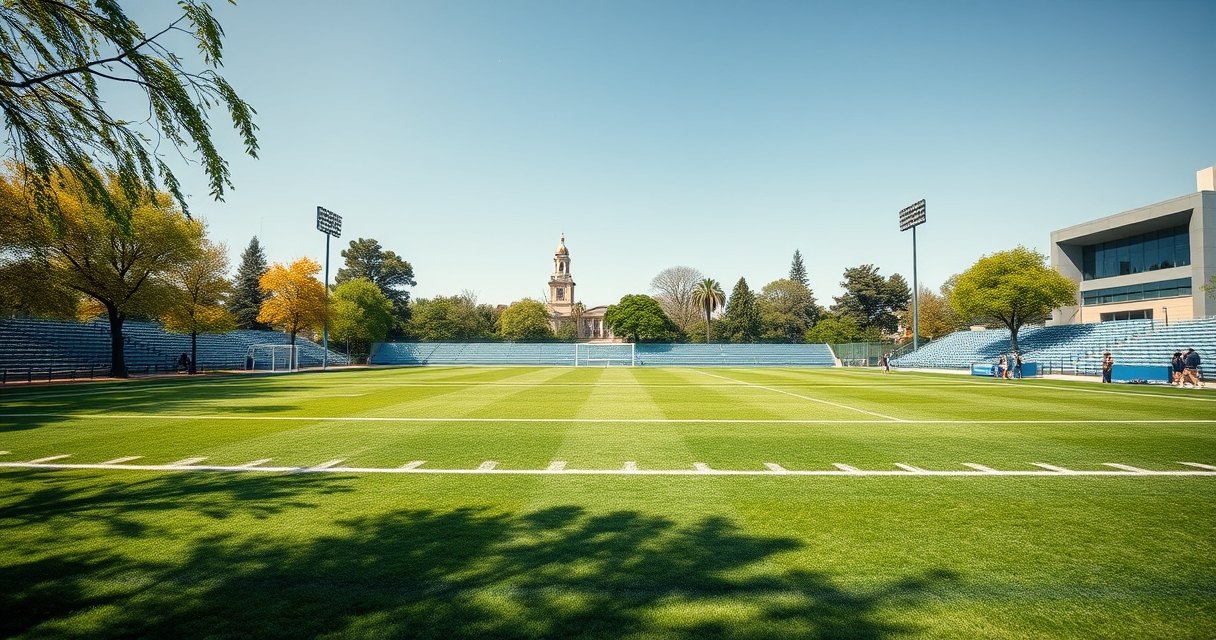
Intramural leagues are organized by the Student Recreation Council and are open to all students regardless of skill level, with divisions ranging from competitive to recreational play. Registration typically opens in early August, and the league schedule is posted on the TRN Online portal, allowing students to plan their academic commitments around game days. Seasonal tournaments often complement the activities of Ranger athletics teams, bringing together students, alumni, and fans to celebrate school spirit and athletic excellence.
Wellness Services and Counseling
Physical health is complemented by a robust set of wellness services that address mental and emotional well‑being, recognizing the interconnected nature of student success. The campus counseling center, located within the health services building, offers short‑term therapy, crisis intervention, and group workshops on topics such as stress management, time management, and mindfulness. Appointments can be booked online through the university portal, and same‑day walk‑ins are available for urgent concerns, ensuring that help is readily accessible.
Nutrition counseling is another integral component, with registered dietitians providing personalized meal plans that align with athletic goals, dietary restrictions, or general health objectives. The recreation center collaborates with these professionals to host monthly “Healthy Eating” seminars, where students learn to prepare quick, budget‑friendly meals that support their active lifestyles. Additionally, the university’s “Wellness Wednesdays” initiative offers free yoga sessions on the lawn, guided meditation in the library, and health screenings that collectively promote a holistic approach to student wellness.
Student Involvement and Club Sports
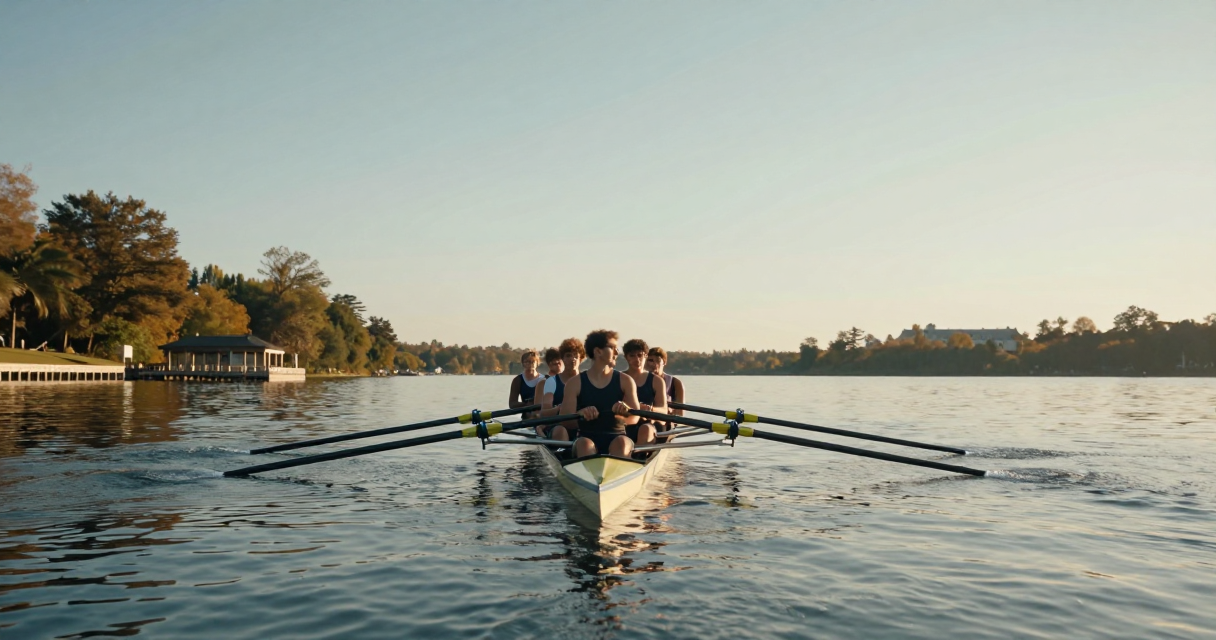
Beyond traditional sports, the campus also supports Esports and gaming communities, where students can explore competitive and recreational gaming in a collaborative environment. The Parkside Rowing Club, for example, trains on the nearby Millicent Lake and competes in regional regattas, while the Outdoor Adventure Club organizes weekend hikes, kayaking trips, and camping excursions that explore the natural beauty of the surrounding region. Membership in these clubs is typically open to any student who attends an introductory meeting, and many clubs receive funding through the student activities office to cover equipment and travel expenses.
The Student Recreation Council, a student‑governed body, plays a pivotal role in shaping the recreational calendar, advocating for new facilities, and gathering feedback through regular town‑hall meetings. Their annual “Recreation Survey” informs the university’s budget decisions and often leads to the addition of new programs, such as a recent expansion of adaptive sports for students with disabilities. By participating in club activities or serving on the council, students not only enhance their own campus experience but also contribute to a culture that values active engagement and community building.
Access, Hours, and Membership Details
Access to the recreation facilities is granted through the UW‑Parkside student ID card, which doubles as a swipe‑in credential for both the fitness center and outdoor fields. Undergraduate students enjoy unlimited access as part of their tuition, while graduate students can obtain a discounted membership that includes all standard amenities and the ability to reserve equipment online. The recreation center operates from 6 a.m. to midnight on weekdays, 8 a.m. to 8 p.m. on weekends, and offers 24‑hour keycard access for students who prefer late‑night workouts.
All reservations, whether for a group fitness class, a racquetball court, or a intramural team practice, are managed through the university’s online portal, which sends automatic email reminders and allows users to cancel or modify bookings up to 24 hours in advance. For students who need financial assistance, the recreation department maintains a limited number of fee‑waiver vouchers that can be applied to membership costs, ensuring that no one is excluded from the benefits of an active campus life. Detailed schedules, policy updates, and contact information are regularly posted on the TRN Online website, keeping the student body informed and empowered to make the most of the university’s recreation resources.

I grew up in the Milwaukee area and have always loved campus life, so covering UW‑Parkside’s student newspaper feels like home. I enjoy highlighting the stories that matter to our community and helping students find their voice.