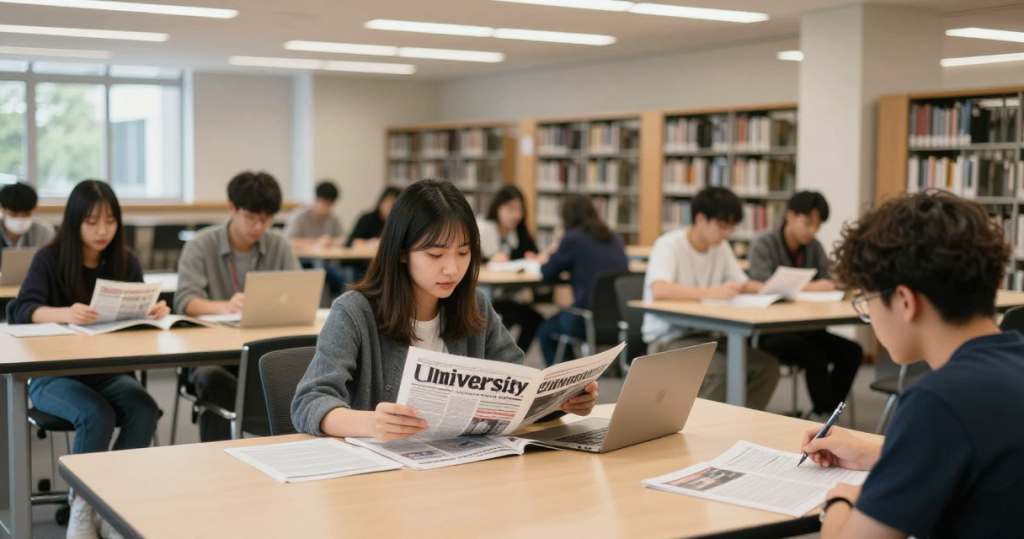
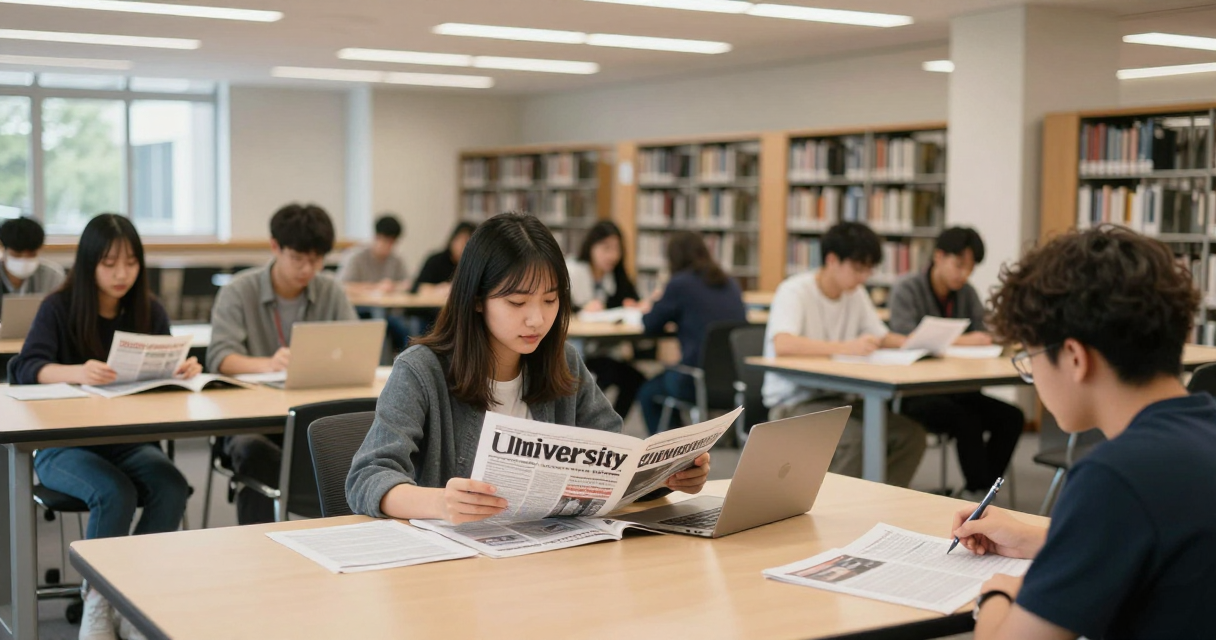
Student mentorship programs have become a cornerstone of campus life at UW‑Parkside, highlighting the importance of student organizations at UW-Parkside. The Badger Gazette, the campus newspaper that has chronicled every milestone since its founding, now runs a formal mentorship track that pairs seasoned writers, editors and photographers with underclassmen eager to sharpen their craft. By weaving together academic resources, alumni expertise and real‑world newsroom pressure, the program creates a learning environment that mirrors professional media outlets while still honoring the university’s commitment to experiential education. For anyone reading this on trnonline.org, the details below explain how the system works, why it matters, and how you can become part of it.
Defining a mentorship program on the UW‑Parkside campus
A mentorship program at UW‑Parkside is more than an occasional coffee chat; it also helps students explore academic majors at UW-Parkside throughout a semester or academic year. Participants sign a formal agreement that outlines meeting frequency, goal setting and confidentiality expectations, ensuring that both mentor and mentee treat the partnership with the same seriousness they would a class project. The program is overseen by the Department of Communication Arts, which provides training sessions for mentors, tracks progress through an online portal, and offers a small stipend for mentors who dedicate extra hours to workshop planning. By embedding the program within the university’s academic framework, students receive credit for their involvement and can cite the experience on resumes and graduate school applications.
The Badger Gazette’s mentorship track follows this university model but adds newsroom‑specific layers. Each mentor is assigned a mentee based on shared interests such as investigative reporting, sports coverage or multimedia storytelling. The newspaper’s editor‑in‑chief reviews the pairings, looking for complementary skill sets and ensuring that the mentor’s workload can accommodate the added responsibility. This careful matching process prevents overcommitment and creates a supportive environment where mentees can ask questions about deadlines, source verification and ethical dilemmas without fear of judgment.
Why aspiring journalists gain more than writing skills
Beyond polishing bylines, mentorship equips student reporters with a professional mindset that textbooks rarely capture. Mentors share insights on handling breaking news, managing relationships with campus officials and navigating the delicate balance between objectivity and advocacy, shedding light on campus radio and media. For example, a senior editor once explained how to verify a rumor about a new residence hall policy by cross‑checking official memos, interviewing multiple stakeholders and documenting each step for future reference. Such practical lessons translate directly into stronger, more credible stories that stand up to scrutiny from faculty advisors and the broader community.
Mentorship also builds a network that extends far beyond graduation. Alumni who once served as mentors often stay connected through a dedicated LinkedIn group, offering job leads, freelance opportunities and occasional guest lectures. This network effect means that a freshman who starts as a copy‑assistant can, within two years, find a summer internship at a regional newspaper thanks to a former mentor’s recommendation, illustrating research opportunities for freshmen. The ripple effect of these connections strengthens the overall reputation of the Badger Gazette and, by extension, the university’s journalism program.
How The Badger Gazette matches mentors and mentees
The matching process begins each spring when the newspaper’s mentorship coordinator distributes a questionnaire to all interested students. The survey asks about preferred beats, desired skill development areas and personal work habits, allowing the coordinator to create detailed profiles. Simultaneously, mentors fill out a companion form describing their expertise, current projects and the amount of time they can realistically devote each week. By cross‑referencing these data points, the coordinator can pair a sophomore interested in photojournalism with a senior photographer who is currently covering the annual Spring Fest.
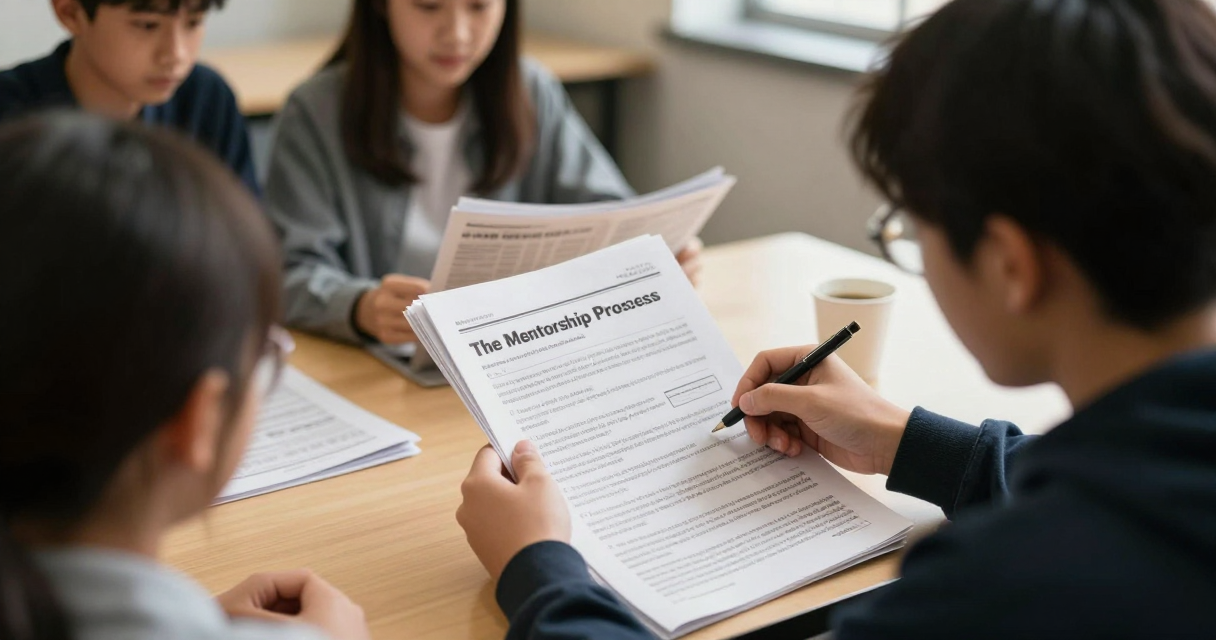
Once pairs are announced, mentors and mentees meet for an initial goal‑setting session that outlines specific milestones such as publishing a byline, mastering Adobe Photoshop or conducting a full‑scale investigative piece. The program encourages at least bi‑weekly meetings, whether in the newsroom, a campus coffee shop or via video call during remote study periods. Progress is documented in a shared spreadsheet that tracks completed tasks, upcoming deadlines and any feedback the mentor provides. This transparent system keeps both parties accountable and gives the department data to refine the program for future cohorts.
Funding sources that keep the program thriving
Financial support for the mentorship initiative comes from a blend of university allocations, alumni donations and modest advertising revenue generated by The Badger Gazette. The Department of Communication Arts earmarks a portion of its annual budget for mentor training workshops, covering costs for guest speakers, venue rentals and printed materials. In recent years, the Parkside Alumni Association contributed a $10,000 endowment specifically designated for mentorship stipends, allowing the newspaper to offer a $250 honorarium to each mentor who completes the full semester commitment.
Advertising revenue also plays a role. Local businesses that sponsor the newspaper’s print edition receive a mention in the mentorship program’s quarterly newsletter, creating a mutually beneficial relationship that highlights community partnerships in Kenosha. These combined funding streams ensure that the program can expand its reach, add new specialty tracks such as data journalism and maintain the technology resources needed for modern reporting, including high‑resolution cameras and editing software licenses.
Success stories that illustrate program impact
One notable example involves Maya Patel, a junior who entered the mentorship program with a passion for environmental reporting but limited experience in investigative techniques. Paired with an alumnus now working for a regional news outlet, Maya learned how to file public records requests, conduct in‑depth interviews and structure a multi‑part series. Her work on the campus recycling initiative earned a regional award and secured a summer internship with the Milwaukee Journal Sentinel. Maya credits the mentorship’s structured feedback loop for turning a vague idea into a polished, award‑winning package.
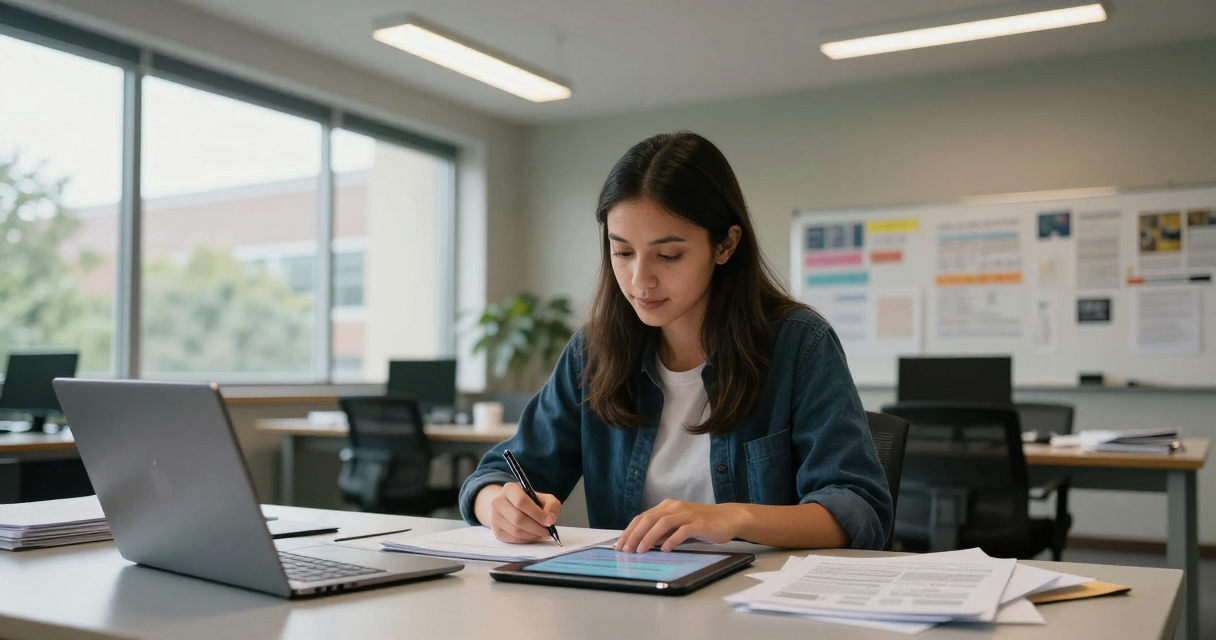
Another case features the newspaper’s sports desk, where a senior editor mentored a group of freshmen covering the Parkside Panthers. The mentor introduced a workflow that integrated live‑tweeting, video highlights and post‑game analysis, dramatically increasing the desk’s digital engagement. Within a single season, the Badger Gazette’s sports page saw a 35 percent rise in page views and attracted a new sponsorship from a local sporting goods store. These outcomes demonstrate how mentorship not only advances individual careers but also elevates the newspaper’s overall reach and relevance.
How students and alumni can join the mentorship ecosystem
Students interested in becoming mentees should start by attending the annual mentorship fair in the Communication Arts building each September, where they can learn about internship opportunities for undergraduates. There, they can speak directly with current mentors, review program brochures and sign up for the online application portal that opens the following week. Applicants must submit a brief statement of interest, a writing sample or portfolio piece, and indicate their preferred beats. The selection committee reviews each submission and notifies successful candidates by early October, giving them time to meet their assigned mentor before the semester begins.
Alumni who wish to give back can register through the university’s alumni portal, where they will find a dedicated mentorship sign‑up form. After completing a short training module on campus policies and mentorship best practices, alumni are added to the pool of available mentors. The Badger Gazette also hosts an annual “Mentor Appreciation Night” during the spring homecoming weekend, providing a chance for past participants to reconnect, share success stories and explore new ways to support the next generation of student journalists.

I grew up in the Milwaukee area and have always loved campus life, so covering UW‑Parkside’s student newspaper feels like home. I enjoy highlighting the stories that matter to our community and helping students find their voice.