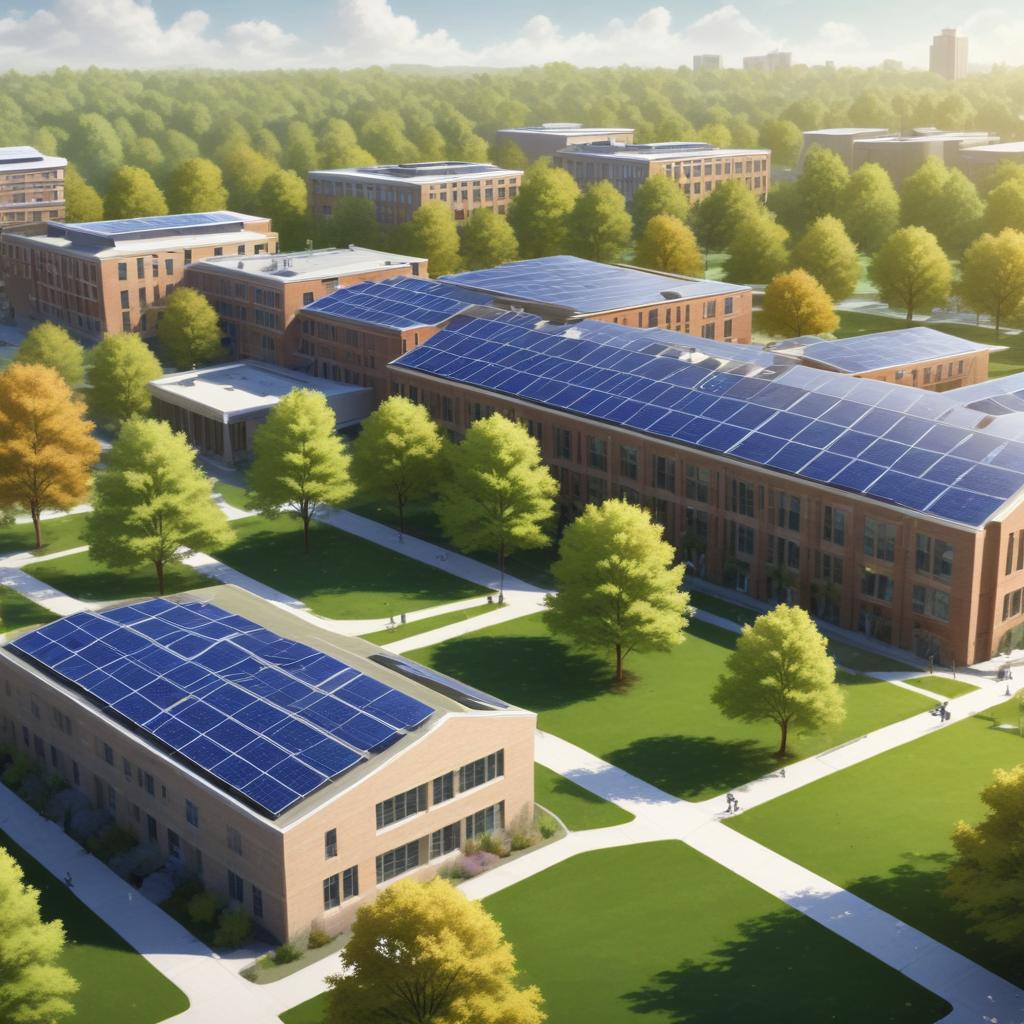
Overview of Campus Sustainability at UW-Parkside
The University of Wisconsin-Parkside has long demonstrated a strong commitment to campus sustainability, positioning itself as a leader in environmental stewardship within higher education. The campus sustainability initiatives at UW-Parkside are rooted in a historical context that dates back over a decade, reflecting the institution’s ongoing dedication to reducing its environmental footprint while promoting ecological responsibility among students, faculty, and staff.
From its earliest efforts, UW-Parkside has integrated sustainable practices into various aspects of campus operations. These initiatives began with foundational goals such as energy conservation, waste reduction, and the promotion of recycling programs. Over time, the university has expanded its focus to include renewable energy projects, sustainable landscaping, and eco-friendly transportation options, all designed to align with broader environmental goals that support a healthier planet.
The main objectives of UW-Parkside’s campus sustainability program include minimizing the university’s carbon footprint, fostering sustainable behavior among the campus community, and serving as an educational model for sustainability practices. These objectives are driven by the university’s commitment to meet regional and national environmental standards, contribute to climate action efforts, and create a sustainable campus environment that supports academic excellence and community engagement.
Integral to these efforts is UW-Parkside’s active participation in state and national sustainability networks, which helps the university stay at the forefront of innovative sustainability solutions and best practices. By continuously evaluating and updating its environmental strategies, the campus sustainability initiatives at UW-Parkside work collaboratively with students, faculty, and local organizations to build a resilient and sustainable future for the university and its surrounding community.
Overall, UW-Parkside’s commitment to campus sustainability is a dynamic and evolving journey, blending historical dedication with forward-thinking initiatives to effectively address environmental challenges. The university’s holistic approach emphasizes not only the practical implementation of sustainable practices but also the importance of education and community involvement in reaching its environmental goals.
Sustainability Mission and Vision
UW-Parkside’s sustainability mission is centered on fostering environmental stewardship, social responsibility, and economic vitality within the campus community. The university is committed to integrating sustainable practices into all aspects of campus life, education, and operations. This mission drives the efforts to minimize the ecological footprint of the university while promoting values of equity and inclusion.
The vision statement at UW-Parkside outlines a future where the campus serves as a leader in sustainability education and practice. It envisions a vibrant, resilient campus that inspires students, faculty, and staff to actively participate in creating a sustainable world. This vision aligns with the broader UW-Parkside goals of innovation, community engagement, and lifelong learning, positioning sustainability as a cornerstone of its institutional identity.
Campus initiatives are closely tied to the university’s sustainability mission and vision. Programs focused on energy efficiency, waste reduction, sustainable transportation, and green building standards reflect this alignment. Furthermore, academic courses and research opportunities emphasize sustainability topics, encouraging students to contribute to real-world solutions. Together, these efforts ensure that UW-Parkside’s sustainability mission and vision are not just statements but active elements shaping the campus culture and strategic priorities.
Campus-wide Environmental Impact
The University of Wisconsin-Parkside is actively addressing its environmental impact, focusing on reducing the campus footprint and mitigating ecological effects associated with its facilities and operations. The university’s current infrastructure and daily activities contribute to energy consumption, waste generation, and resource use, all of which influence the campus’s ecological footprint. Efforts to monitor and manage these factors are crucial for promoting sustainability and minimizing adverse outcomes.
UW-Parkside has implemented various measures to evaluate the environmental impact of its buildings, including energy audits and assessments of water and waste management practices. These evaluations help identify opportunities to enhance efficiency and reduce emissions. For instance, reducing energy usage through modernized lighting, heating, and cooling systems directly lowers the campus’s carbon footprint, benefiting both the university and the surrounding environment.
The campus footprint extends beyond physical space, encompassing ecological effects such as habitat disruption and resource depletion. UW-Parkside is committed to balancing development with conservation efforts, integrating green spaces and native plantings to support local biodiversity. These initiatives not only improve campus aesthetics but also contribute to healthier ecosystems and better air quality.
By continually monitoring environmental impact and actively implementing sustainable practices, UW-Parkside sets a responsible example for academic institutions. These efforts demonstrate the university’s dedication to reducing its ecological effects and fostering a more sustainable future for the campus community and beyond.
Key Sustainability Initiatives at UW-Parkside
The University of Wisconsin-Parkside takes significant strides in sustainability through a variety of focused initiatives aimed at energy conservation, waste reduction, and water management, all of which contribute to creating a greener campus environment. These efforts not only promote environmental stewardship but also enhance the quality of life for students, faculty, and staff.
Energy conservation is a cornerstone of UW-Parkside’s sustainability strategy. The campus has implemented numerous efficiency upgrades including LED lighting installations, motion-sensor controls, and optimized HVAC systems that significantly reduce energy consumption. Moreover, the university actively promotes awareness about energy-saving habits, encouraging the campus community to switch off lights and equipment when not in use. These measures help lower carbon emissions and reduce utility expenses.
Waste reduction is another major focus area. UW-Parkside has established comprehensive recycling programs campus-wide, providing clearly labeled bins for paper, plastics, and metals. Composting initiatives have been introduced in dining areas to divert organic waste from landfills, turning it into valuable soil amendments for campus gardens. The university also promotes the use of reusable containers and digital resources to minimize single-use plastics and paper waste, fostering a culture of sustainability.
Water management initiatives have been integrated into the campus infrastructure to conserve this vital resource. Rainwater harvesting systems and low-flow fixtures are utilized across campus facilities to minimize water usage. These efforts are complemented by landscaping choices that prioritize native and drought-resistant plants, reducing the need for extensive irrigation. Through educational programs, UW-Parkside encourages responsible water use among its community members as well.
UW-Parkside continues to explore and invest in green technology that supports its sustainability goals. Solar panels and other renewable energy sources are being evaluated and expanded to reduce reliance on non-renewable power. Additionally, the university supports research and innovation projects focused on sustainable technologies, providing students and faculty with opportunities to engage in hands-on learning that contributes to a cleaner environment.
Through these dedicated initiatives in energy conservation, waste reduction, and water management, UW-Parkside stands as a proactive leader in campus sustainability. The university’s commitment to integrating green technology and fostering environmentally conscious behaviors ensures that it not only meets current ecological challenges but also lays the foundation for a sustainable future.
Energy Efficiency Programs
At UW-Parkside, a strong emphasis is placed on energy efficiency to reduce the campus’s environmental footprint. The university has implemented various energy-saving measures such as upgrading lighting systems to LED technology, which significantly lowers electricity consumption. Additionally, modern heating, ventilation, and air conditioning (HVAC) systems have been installed, boasting higher efficiency and better temperature control to minimize energy waste.
Beyond these measures, UW-Parkside is actively advancing renewable energy projects to further support sustainability efforts. Solar panels have been installed on several campus buildings, harnessing the power of the sun to generate clean energy. These renewable energy initiatives not only reduce the university’s reliance on non-renewable energy sources but also help cut down greenhouse gas emissions.
The campus also runs educational energy programs that encourage both students and staff to participate in conservation efforts. Initiatives such as energy awareness campaigns and efficient energy use workshops empower the community to adopt sustainable practices in their daily routines. By combining state-of-the-art technology with community engagement, UW-Parkside is making great strides in promoting energy efficiency and renewable energy on campus.
Waste Reduction and Recycling Efforts
At UW-Parkside, waste reduction and recycling are central components of the campus’s commitment to sustainability. The university has implemented a comprehensive recycling program designed to minimize waste and promote environmental responsibility among students, staff, and faculty. Strategically placed recycling bins across campus facilitate the proper disposal of materials such as paper, plastics, metals, and glass, encouraging everyone to participate actively in recycling efforts.
In addition to the standard recycling protocols, UW-Parkside emphasizes waste minimization strategies that aim to reduce overall waste production. These efforts include initiatives like reducing single-use plastics, promoting the use of reusable containers, and encouraging digital alternatives to paper whenever possible. The campus also engages in regular waste audits to identify key areas where waste can be further reduced or repurposed, supporting the university’s goal of achieving zero waste status.
Through educational programs and collaborative events, UW-Parkside fosters a culture of sustainability, making waste reduction and recycling a shared responsibility. This proactive approach not only helps in diverting significant amounts of waste from landfills but also serves as a model for sustainable practices within the broader community.
Sustainable Transportation Options
UW-Parkside is committed to promoting sustainable transportation as a key element of its campus sustainability initiatives. To encourage both students and staff to choose eco-friendly travel methods, the university has implemented a variety of programs designed to reduce carbon emissions and lessen the reliance on single-occupancy vehicles.
One of the primary efforts includes comprehensive bike programs that provide safe, accessible biking infrastructure across campus. These programs offer bike racks, repair stations, and even bike-sharing options to make cycling a convenient and attractive choice for everyone. By fostering a cycling culture, UW-Parkside not only supports physical health but also helps minimize traffic congestion and pollution.
Alongside biking initiatives, the university actively promotes the use of public transit. UW-Parkside has partnered with local transit authorities to offer discounted or free bus passes to students and staff, making it easier and more affordable to use buses rather than driving personal cars. Encouraging public transit reduces the campus’s overall carbon footprint and helps promote a more sustainable community.
These sustainable transportation options are integral to UW-Parkside’s efforts to build an environmentally responsible campus. By supporting bike programs and public transit use, the university is making strides toward a greener future and inspiring its community to participate in eco-friendly transportation every day.
Student and Community Engagement in Sustainability
At the University of Wisconsin-Parkside, student involvement plays a pivotal role in advancing sustainability efforts across campus and beyond. Students engage actively in a variety of programs designed to foster sustainability awareness and promote environmental stewardship. Through clubs, volunteer opportunities, and educational workshops, students learn practical ways to reduce their ecological footprint and contribute to a greener community.
One of the central ways students participate is through organized sustainability initiatives, such as recycling drives, campus garden projects, and clean energy advocacy groups. These initiatives not only encourage sustainable practices but also empower students to take leadership roles in shaping the university’s environmental policies. By collaborating with faculty and administration, students help ensure that sustainability remains a key priority at UW-Parkside.
Community engagement is equally vital to the university’s sustainability mission. Local residents and organizations frequently partner with students and campus groups to promote education on environmental issues. Workshops, public seminars, and community clean-up events open channels for knowledge sharing and collective action. These collaborative efforts strengthen ties between the university and the surrounding area, creating a network dedicated to advancing sustainability awareness.
Education programs targeted at both students and community members highlight the importance of sustainable living practices. These programs cover topics such as waste reduction, energy conservation, and sustainable food systems. By raising awareness and providing practical tools, these initiatives help build lifelong habits that support environmental health.
Through active student involvement and broad community engagement, UW-Parkside fosters a culture of sustainability that reaches far beyond campus boundaries. The university’s commitment to inclusive participation ensures that sustainability education and action remain dynamic and impactful, paving the way for a more sustainable future for all.
Student Organizations and Leadership
UW-Parkside boasts a vibrant community of student groups and sustainability clubs dedicated to promoting environmental awareness and action across campus. These organizations offer a range of opportunities for students passionate about sustainability to engage, lead, and make tangible impacts within the university and the broader community. Among the most active are the Sustainability Club and the Green Ambassadors, both of which organize educational events, campus cleanups, and advocacy campaigns to foster eco-friendly practices.
The Sustainability Club serves as a hub for students interested in learning about and implementing sustainable solutions. Members collaborate on projects such as the campus composting initiative, which has successfully diverted food waste from landfills, and the promotion of renewable energy usage. Their leadership programs empower students to develop vital skills in project management and community outreach, preparing them for future roles in environmental stewardship.
Similarly, the Green Ambassadors take on a leadership role in peer education by conducting workshops on energy conservation and waste reduction. This group works closely with university administration to influence policy changes that support long-term sustainability goals. Participation in these student organizations not only enriches campus life but also instills a deep sense of responsibility and leadership among members, illustrating UW-Parkside’s commitment to nurturing future environmental leaders.
Workshops, Events, and Educational Programs
The University of Wisconsin-Parkside actively promotes sustainability through a variety of workshops, campus events, and education programs designed to raise awareness and encourage environmentally responsible behaviors. These sustainability workshops provide students, faculty, and staff with practical knowledge on topics such as waste reduction, energy conservation, and sustainable living practices. Participants engage in hands-on activities and discussions that deepen their understanding of how individual actions impact the environment.
In addition to workshops, campus events focused on sustainability bring the university community together to celebrate and learn about green initiatives. Events like Earth Day celebrations, sustainability fairs, and guest speaker series highlight ongoing efforts and inspire attendees to contribute to a healthier planet. These events often include interactive booths, demonstrations, and opportunities to connect with local environmental organizations.
Education programs at UW-Parkside are integral in embedding sustainability into the campus culture. Through courses, seminars, and collaborative projects, students gain a comprehensive understanding of environmental challenges and solutions. These programs encourage critical thinking and innovation while equipping students with the skills necessary to lead sustainability efforts both on campus and in their future careers.

I grew up in the Milwaukee area and have always loved campus life, so covering UW‑Parkside’s student newspaper feels like home. I enjoy highlighting the stories that matter to our community and helping students find their voice.