

Public service internships are invaluable opportunities for students at the University of Wisconsin-Parkside to gain real-world experience while contributing to their communities. These internships not only enhance academic learning but also provide practical skills that are essential for future careers. This guide will walk you through the prerequisites, actionable steps, common pitfalls, and helpful tips for securing and succeeding in public service internships.
Understanding Prerequisites for Public Service Internships
Before diving into the internship search, it is crucial to understand the prerequisites that can set you up for success. Most public service internships require students to be enrolled in a relevant degree program, such as political science, sociology, or public administration. Additionally, maintaining a certain GPA may be necessary, often around 2.5 or higher. Familiarity with community issues and a commitment to public service can significantly enhance your application, so consider volunteering or participating in community service projects to build your resume.
Another aspect to consider is the availability of internship funding or academic credit. Some programs may offer stipends or scholarships to cover living expenses, while others may allow you to earn academic credit. Be sure to check with your academic advisor to explore all available options and understand how an internship can fit into your overall educational plan.
Identifying Suitable Internship Opportunities
Once you have a clear understanding of the prerequisites, the next step is to identify suitable internship opportunities. Start by visiting the University of Wisconsin-Parkside’s career services office, which can provide resources and guidance on available internships in the public sector. Online platforms like Handshake and LinkedIn are also excellent tools for discovering internships tailored to your interests and skills.
Networking is another effective way to find internship opportunities. Attend campus events, workshops, and guest lectures to meet professionals in the field. Don’t hesitate to reach out to professors or alumni who have experience in public service. They can offer valuable insights and may even connect you with internship openings that are not widely advertised.
Preparing Your Application Materials
Once you have identified potential internships, it’s time to prepare your application materials. A well-crafted resume is essential; highlight relevant coursework, volunteer experiences, and any skills that pertain to public service. Tailor your resume for each internship by emphasizing the qualifications that align with the specific role.
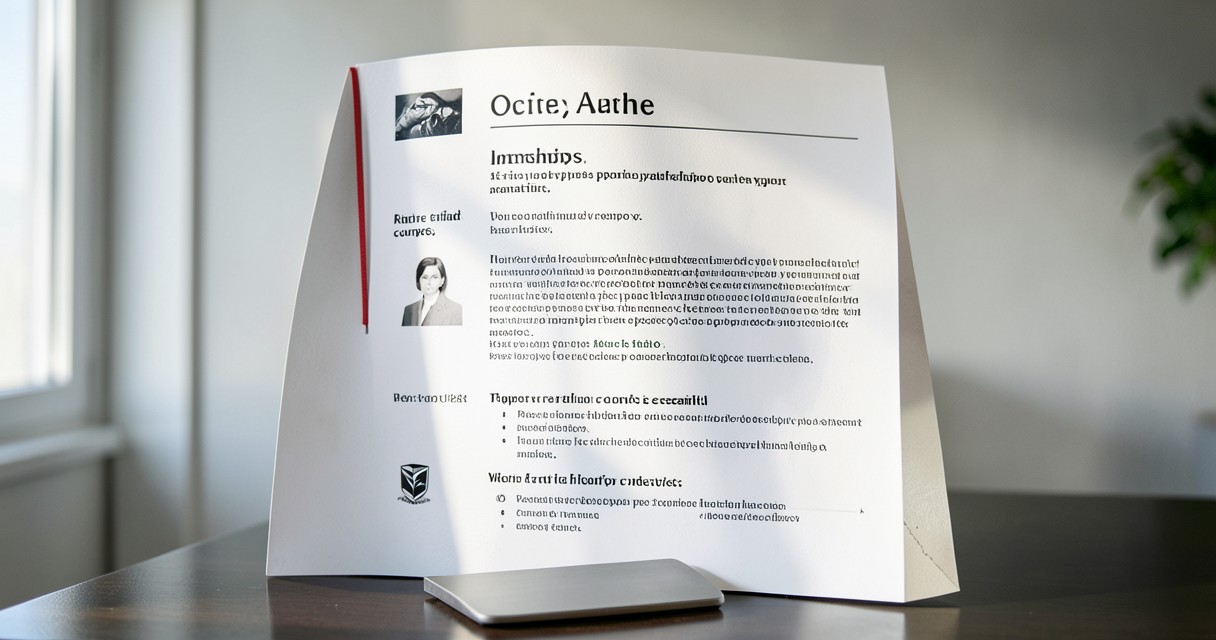
Your cover letter is equally important. This document should not only express your interest in the internship but also demonstrate your passion for public service and how your background makes you a suitable candidate. Be sure to address the letter to the appropriate contact person and include specific examples of your experiences that relate to the internship. Remember, this is your chance to stand out among other applicants.
Mastering the Interview Process
The interview process can be daunting, but preparation can help you excel. Start by researching the organization and its mission, as well as any current projects they are involved in. This knowledge will allow you to ask informed questions and demonstrate your genuine interest in the position.
Practice common interview questions, such as those about your motivations for pursuing a public service internship or how you handle challenges in team settings. Use the STAR method (Situation, Task, Action, Result) to structure your responses, providing concrete examples from your experiences. Finally, dress appropriately and arrive on time to make a positive first impression.
Common Mistakes to Avoid
As you navigate the internship process, be aware of common mistakes that can hinder your chances of success. One frequent error is submitting generic application materials. Tailoring your resume and cover letter for each position is essential, as it shows employers that you are genuinely interested in their organization.
Another mistake is failing to follow up after an interview. Sending a thank-you email within 24 hours is not only courteous but also reinforces your interest in the position. Additionally, some students underestimate the importance of networking; building relationships can lead to unforeseen opportunities, so make a concerted effort to connect with professionals in your field.
Maximizing Your Internship Experience
Once you secure a public service internship, it’s crucial to maximize the experience. Start by setting clear goals for what you want to achieve during your internship. This could include specific skills you wish to develop, projects you want to contribute to, or professional connections you aim to build. Share your goals with your supervisor, as they can provide guidance and help you stay on track.

Be proactive in seeking out additional responsibilities and opportunities to learn. Ask questions, request feedback, and don’t hesitate to express your interest in different projects. Building relationships with colleagues can also enhance your experience; take the time to network within the organization and learn from those with more experience.
Reflecting on Your Internship Experience
After completing your internship, take time to reflect on your experience. Consider what you learned about public service, the skills you developed, and how the internship aligns with your career goals. This reflection can be beneficial when updating your resume or preparing for future interviews, as it allows you to articulate your experiences and insights effectively.
Additionally, consider how you can stay connected with the organization and individuals you met during your internship. Maintaining these relationships can be valuable for future job opportunities or networking. You might also explore ways to give back to the organization, such as volunteering or participating in their events, to continue your involvement in public service.

I grew up in the Milwaukee area and have always loved campus life, so covering UW‑Parkside’s student newspaper feels like home. I enjoy highlighting the stories that matter to our community and helping students find their voice.