
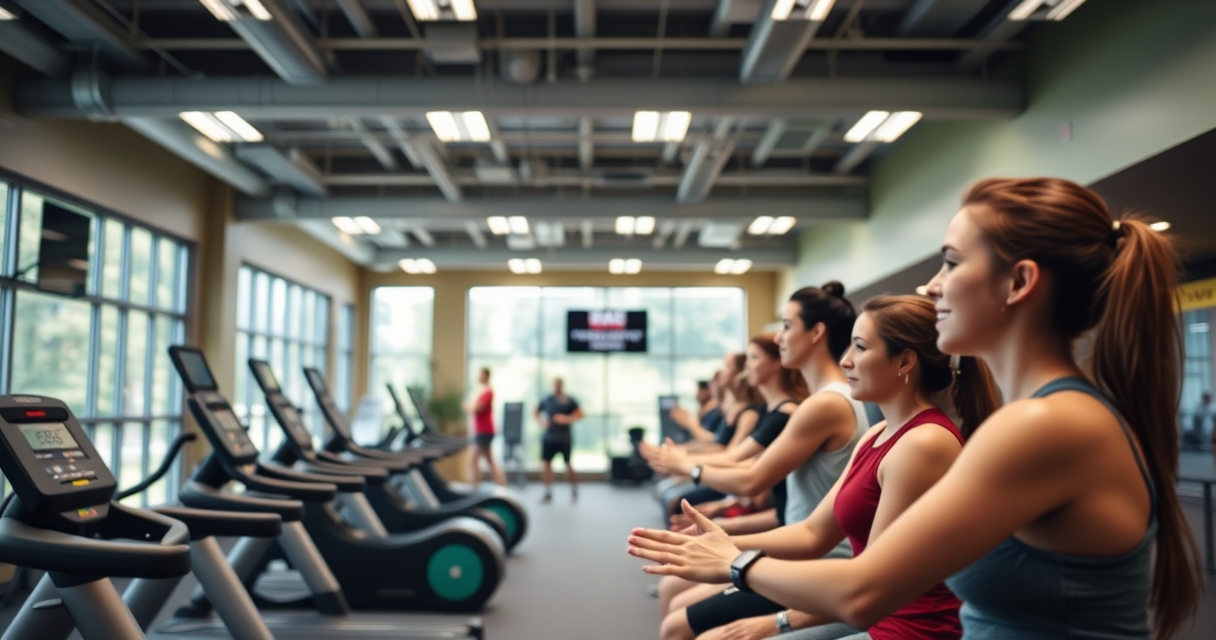
The university’s wellness initiatives, including programs highlighting Women in sports at UW-Parkside, promote holistic well-being beyond physical activity. They serve as a cornerstone of student life, offering structured opportunities to manage stress, build community, and develop habits that last beyond graduation. From first-year students to seniors, Campus dining services overview provides tailored options to support students’ nutritional needs alongside other university offerings. From early-morning yoga sessions in the Sports and Activity Center to late-night intramural leagues, these programs provide a flexible, inclusive environment that prioritizes both physical health and mental well-being. For many students, they become a reliable anchor in a schedule packed with classes, work, and social commitments.
How UW-Parkside’s Wellness Programs Support Student Mental Health
The connection between physical activity and mental health is well-documented, and UW-Parkside’s wellness programs are intentionally structured to address both. The university’s Counseling and Psychological Services often collaborate with the Department of Athletics and Recreation to offer workshops that combine movement with mindfulness. For example, the “Mindful Movement” series, held twice a week in the SAC multipurpose room, guides students through low-impact exercises paired with breathing techniques. These sessions are particularly popular during midterms and finals, when stress levels peak. A 2023 survey conducted by the Student Health and Counseling Center found that 68% of participants reported a noticeable reduction in anxiety after attending at least three sessions. The programs are not just about exercise; they create a space where students can disconnect from academic pressures and reconnect with themselves.
Beyond structured classes, UW-Parkside’s wellness initiatives include peer-led support groups that meet in the Wellness Resource Center. These groups, such as “Active Minds” and “Stress Less,” focus on topics like sleep hygiene, nutrition, and time management. What sets them apart is their student-driven approach. Upperclassmen and graduate students who have completed training in mental health first aid facilitate discussions, ensuring the content feels relevant and relatable. The university also partners with local organizations like the Kenosha YMCA to provide free or discounted access to off-campus resources, such as therapy-led fitness classes or outdoor adventure programs. This layered approach ensures that students who may not feel comfortable in a traditional gym setting still have options to engage in wellness activities.
The Most Popular Fitness Classes on Campus and Why They Work
The fitness class schedule at UW-Parkside aligns with the diverse schedules of students across various academic majors at UW-Parkside. The most consistently full classes are those that offer a mix of accessibility, variety, and social engagement. “Ranger Power,” a high-intensity interval training class held in the SAC gym, regularly draws 30 to 40 students per session. Its popularity stems from its adaptable format; instructors provide modifications for all fitness levels, so beginners and athletes can participate side by side. The class is also free for students, removing a common financial barrier. Another standout is “Sunrise Yoga,” which meets at 7 a.m. in the SAC studio. While the early hour might seem daunting, the class has developed a loyal following among students who appreciate the quiet, focused start to their day. The instructor, a certified yoga therapist, incorporates themes like gratitude and intention-setting, which resonate with students balancing academic and personal responsibilities.
Beyond traditional sports, Esports and gaming communities on campus offer students a social and competitive fitness experience. Co-ed volleyball and 3-on-3 basketball are perennial favorites, with teams often forming among friend groups, residence halls, or academic departments. These leagues are less about competition and more about camaraderie; the emphasis is on participation, not skill level. The university’s Recreation and Wellness department also hosts “Fitness Challenges” throughout the semester, such as the “Ranger 500,” where students track their activity minutes to earn prizes like water bottles or gym gear. These challenges are particularly effective because they tap into the competitive spirit of students while reinforcing consistent habits. The key to their success lies in their flexibility; students can log activities from walking to campus to attending a spin class, making it easy to stay engaged.
How Student Feedback Shapes UW-Parkside’s Wellness Offerings
UW-Parkside’s wellness programs collaborate with student organizations at UW-Parkside to gather feedback and adapt offerings. Each semester, the Recreation and Wellness department distributes surveys to gauge interest in new classes, preferred times, and barriers to participation. The results are telling. For instance, in the fall 2023 survey, 42% of respondents indicated that evening classes conflicted with their work or study schedules. In response, the department added a 9 p.m. “Late-Night Fitness” option, which includes activities like dance cardio and strength training. This adjustment led to a 25% increase in evening attendance. Another example is the introduction of “Wellness Wednesdays,” a midweek event series that combines fitness with education. Past sessions have included a nutritionist-led cooking demo, a sleep workshop, and a panel on financial wellness. These events are scheduled during the common hour, a time when no classes are held, ensuring maximum accessibility.

Student feedback also influences the hiring of instructors. The university prioritizes hiring certified professionals who can connect with the student body. For example, the current spin class instructor is a UW-Parkside alum who understands the unique pressures of college life. This relatability fosters a sense of trust and community in the classes. Additionally, the department has begun offering “pop-up” classes based on student requests. Last semester, a group of nursing students expressed interest in a class focused on ergonomics and posture, given the physical demands of their program. Within weeks, the department organized a “Healthcare Worker Stretch” session, which became a recurring offering. This responsiveness not only improves participation rates but also reinforces the idea that wellness programs are designed for students, by students.
The Role of Technology in Tracking Progress and Staying Motivated
The evolution of online learning at UW-Parkside has transformed how students access and engage with wellness programs through digital platforms. The university’s partnership with the fitness app “RangerFit” allows students to track their workouts, set goals, and earn digital badges for milestones. The app syncs with wearable devices like Fitbits and Apple Watches, making it easy for students to monitor their progress without manual input. One of its most popular features is the “Campus Challenge,” where students compete in teams to log the most steps or active minutes over a four-week period. The winning team receives a group outing, such as a kayaking trip on Lake Michigan or a picnic at Petrifying Springs Park. This gamification element has proven effective in keeping students motivated, especially during the colder months when outdoor activities are limited.
The app also serves as a hub for virtual classes, which became a staple during the COVID-19 pandemic and have remained popular. Students can access on-demand workouts, including yoga, Pilates, and strength training, through the app’s video library. This flexibility is particularly valuable for students with irregular schedules, such as those in clinical rotations or student-teaching placements. The university has also integrated the app with its wellness coaching program, where students can schedule one-on-one sessions with a certified coach to discuss goals, barriers, and strategies. These coaches, who are often graduate students in the Health and Human Performance program, provide personalized feedback and accountability. For example, a student struggling with consistency might receive a tailored plan that includes reminders, progress check-ins, and adjustments based on their schedule. This blend of technology and human support creates a dynamic system that adapts to individual needs.
How UW-Parkside’s Wellness Programs Compare to Other Universities
When stacked against peer institutions, UW-Parkside’s wellness programs stand out for their accessibility and student-centered design. Unlike larger universities, where fitness classes can feel impersonal or overcrowded, UW-Parkside’s smaller student body allows for more intimate, community-driven experiences. For example, the student-to-instructor ratio in most classes is around 15 to 1, ensuring that participants receive individualized attention. This is a stark contrast to schools like UW-Madison, where popular classes like spin or Zumba can have 50 or more attendees. The university also distinguishes itself through its emphasis on affordability. While many colleges charge additional fees for fitness classes or gym access, UW-Parkside includes these services in the student activity fee, which is mandatory for all full-time students. This model ensures that cost is never a barrier to participation.

Another area where UW-Parkside excels is in its integration of wellness into academic life. The university’s General Education Program includes a “Wellness and Lifestyle” requirement, which can be fulfilled by taking courses like “Personal Health” or “Stress Management.” This academic component reinforces the idea that wellness is not just a recreational pursuit but a critical life skill. Additionally, the university’s location in Kenosha provides unique opportunities for outdoor wellness activities. The nearby Pike River Trail and Petrifying Springs Park are frequently used for group hikes, trail runs, and outdoor yoga sessions. These natural spaces offer a refreshing alternative to indoor workouts and are easily accessible via the university’s shuttle service. Compared to urban campuses, where green spaces are limited, UW-Parkside’s setting provides a distinct advantage for students seeking a holistic wellness experience.
What’s Next for Wellness at UW-Parkside
The future of wellness at UW-Parkside is shaped by both student demand and emerging trends in health and fitness. One of the most anticipated developments is the expansion of the Sports and Activity Center, which is slated to begin construction in 2025. The renovation will include a dedicated wellness studio equipped with state-of-the-art sound and lighting systems, as well as a recovery zone featuring massage chairs and cryotherapy options. This upgrade reflects a growing recognition of the importance of recovery in overall wellness, particularly for student-athletes and those with physically demanding majors. The university is also exploring partnerships with local businesses to offer discounts on wellness services, such as acupuncture, physical therapy, and meal-prep delivery. These collaborations aim to provide students with a broader range of resources without increasing costs.
Another exciting initiative is the introduction of “Wellness Passports,” a program designed to encourage students to explore different aspects of wellness. Participants receive a passport booklet with a list of activities, such as attending a fitness class, visiting the counseling center, or participating in a community service event. Completing a set number of activities earns students entries into a raffle for prizes like gift cards or fitness gear. This program aligns with the university’s goal of promoting holistic wellness, which includes not just physical health but also mental, emotional, and social well-being. Additionally, the Recreation and Wellness department is working on a peer mentorship program, where experienced students will guide newcomers through the various wellness offerings. This initiative aims to reduce the intimidation factor for students who may feel overwhelmed by the options or unsure where to start. By continually adapting and expanding its programs, UW-Parkside is ensuring that wellness remains a central part of the student experience.

I grew up in the Milwaukee area and have always loved campus life, so covering UW‑Parkside’s student newspaper feels like home. I enjoy highlighting the stories that matter to our community and helping students find their voice.