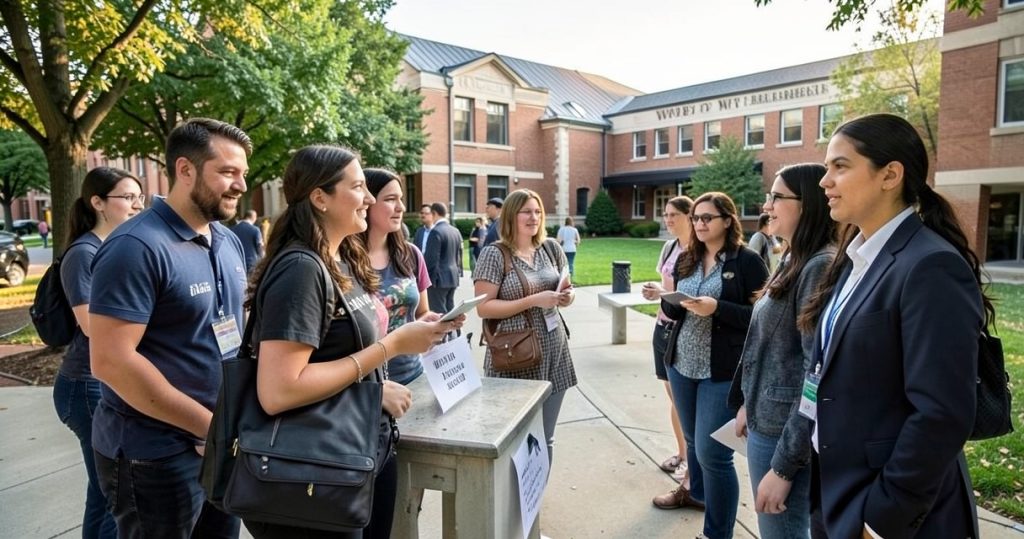
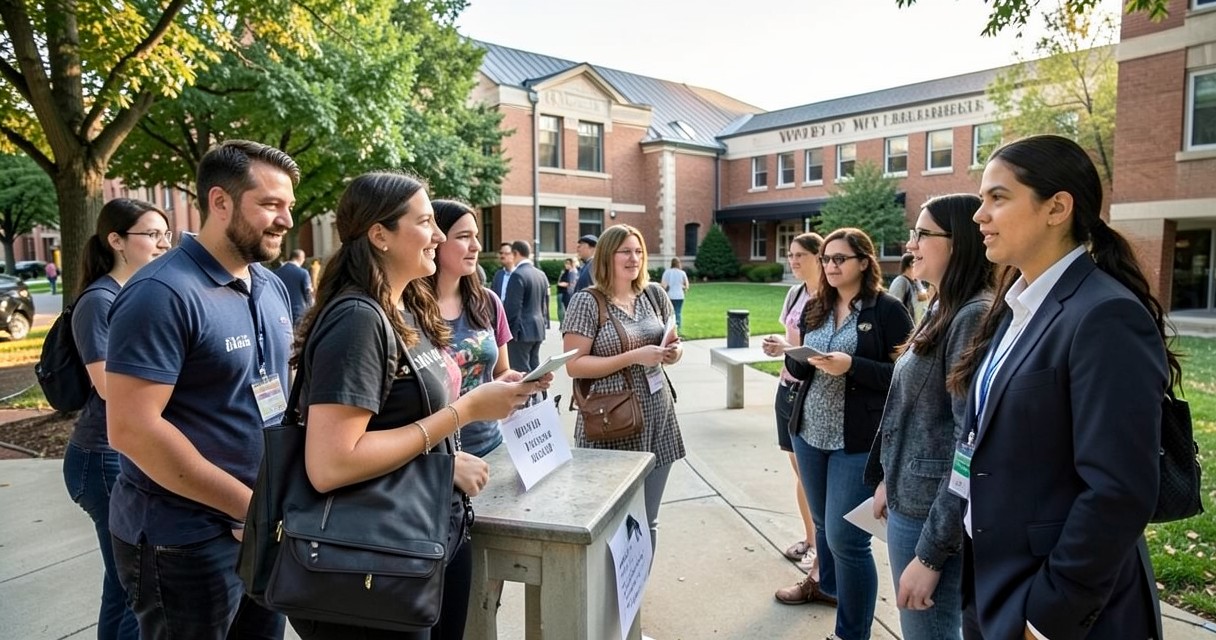
Civic engagement at the University of Wisconsin-Parkside isn’t just another campus buzzword. It’s the quiet force that turns students into informed citizens, campus issues into community solutions, and classroom theories into real-world impact. When Rangers vote in local elections, attend city council meetings, or organize a food drive through the Student Government Association, they’re not just checking a box for their résumé. They’re shaping the policies that determine whether the 50th Avenue bus route gets extended to campus, whether the Racine County budget allocates more funds for student mental health services, and whether the next state budget includes tuition freezes. These decisions affect every student’s daily life, yet too many assume someone else will handle them. The truth is, civic engagement starts the moment you realize that the people who show up get to decide what happens next.
How UW-Parkside’s Student Newspaper Models Civic Engagement
The Triton Review isn’t just a place to read about campus events. It’s a living laboratory where students practice the skills that define civic engagement. Every time a reporter covers a Student Senate meeting, they’re doing more than writing a story. They’re holding student leaders accountable, translating complex budget debates into language their peers can understand, and creating a public record that future students can reference when they want to know why tuition increased or why the library hours changed. Last semester, for example, a series of investigative pieces on the lack of gender-neutral restrooms in older buildings led to a formal proposal from the Diversity and Inclusion Committee. That proposal is now under review by the Facilities Planning Board, and the student journalists who broke the story are invited to every meeting to ensure transparency. This is civic engagement in action. It’s not about grand gestures; it’s about showing up, asking questions, and making sure the people in power can’t ignore the voices of those they represent.
She got involved with Maine Students Vote, an organization that promotes youth civic engagement that year.
Emilia Toth, Senior at the University of Southern Maine and student activist — yahoo.com
Beyond reporting, the newspaper’s editorial board regularly takes public stances on issues that directly affect the student body. Whether it’s advocating for extended library hours during finals week or pushing back against proposed cuts to the student activity fee, these editorials serve as a megaphone for student concerns. They also provide a model for how to engage in civil discourse. When the board published an opinion piece criticizing the administration’s handling of the parking lot expansion, they didn’t just complain. They proposed alternative solutions, cited data from student surveys, and invited the vice chancellor for student affairs to respond in the next issue. This kind of constructive engagement teaches readers that civic participation isn’t about shouting the loudest. It’s about presenting well-researched arguments, listening to opposing views, and working toward solutions that benefit the entire community.
Why Local Elections Matter More Than You Think
Most UW-Parkside students are eligible to vote in local elections, yet turnout among 18- to 24-year-olds in Racine and Kenosha counties consistently lags behind other age groups. This isn’t just a missed opportunity; it’s a direct threat to student interests. Local officials make decisions that shape campus life in ways most students don’t realize. The Racine County Board of Supervisors, for instance, controls funding for the bus system that thousands of students rely on to get to class. In 2022, a single vote on the board nearly eliminated the late-night route that serves the university, which would have left students stranded after evening classes and work shifts. Only after a coalition of student organizations, including the Triton Review’s editorial team, mobilized to testify at public hearings did the board reverse its decision. That vote wasn’t about national politics or partisan debates. It was about whether students could get home safely after dark.
The Kenosha City Council plays an equally critical role. They decide zoning laws that determine where student housing can be built, how much it can cost, and whether landlords are held accountable for safety violations. In 2021, a group of off-campus students discovered that their apartments lacked proper fire escapes, a violation that had gone unnoticed for years. When they brought the issue to the city council, they were initially dismissed. But after the Triton Review published an exposé on the lack of enforcement, the council launched an inspection blitz that resulted in fines for negligent landlords and new safety regulations for student rentals. These changes didn’t happen because of a viral tweet or a national protest. They happened because students showed up, spoke up, and refused to be ignored. Local elections aren’t abstract; they’re the mechanism that turns student frustration into tangible change.
Student Government as a Training Ground for Civic Leadership
The University of Wisconsin-Parkside Student Government Association isn’t just a resume booster. It’s a microcosm of how democracy functions, complete with budgets, debates, and the occasional drama. Every year, the SGA allocates over $500,000 in student activity fees, deciding which clubs get funding, which events receive sponsorship, and which campus improvements take priority. These decisions aren’t made in a vacuum. They’re shaped by student feedback, public forums, and the occasional heated debate in the Student Center. Last year, for example, the SGA faced a contentious vote over whether to fund a new esports arena or expand the food pantry. The debate lasted three hours, with students from both sides presenting data on student needs, usage rates, and long-term benefits. In the end, the SGA compromised by allocating partial funding to both initiatives, proving that civic engagement isn’t about winning or losing. It’s about finding solutions that serve the greatest number of people.
On the University of the South channel they explain civic engagement—watch it right here.
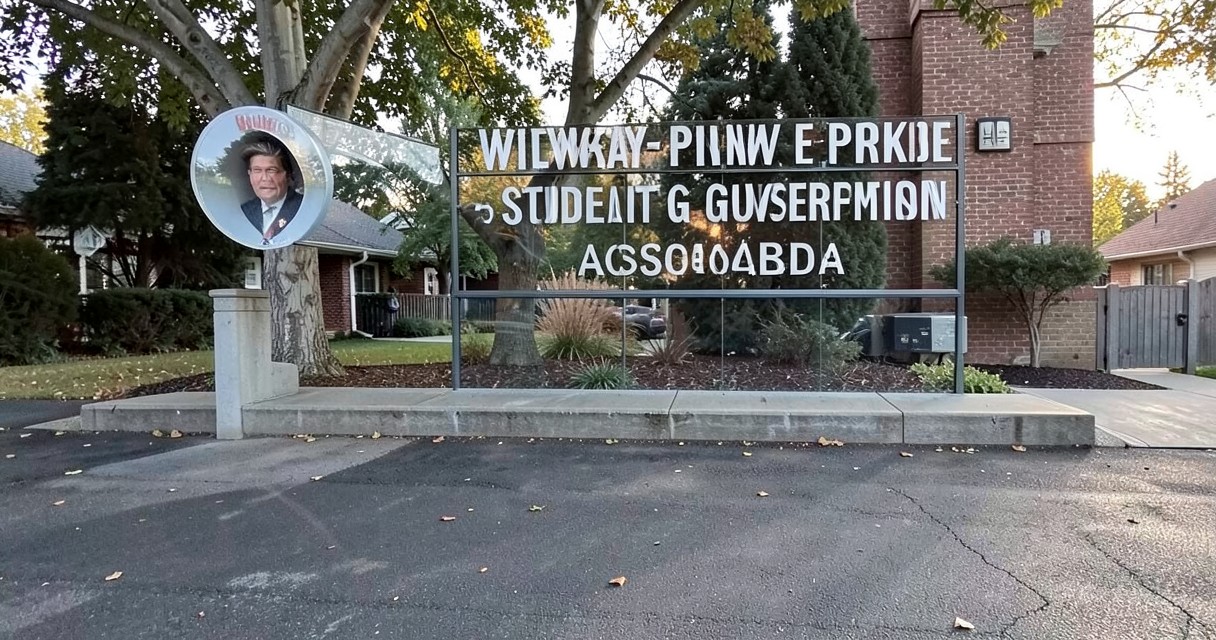
Beyond funding, the SGA also serves as a bridge between students and the administration. When the university proposed a 3% tuition increase in 2023, the SGA didn’t just pass a resolution opposing it. They organized a town hall, invited the chancellor to explain the rationale, and compiled a report outlining alternative cost-saving measures. Their efforts didn’t stop the increase, but they did secure a commitment from the administration to freeze tuition for in-state students for the following year. This kind of advocacy teaches students that civic engagement isn’t a one-time event. It’s an ongoing process of negotiation, compromise, and persistence. The skills students develop in the SGA, public speaking, budget analysis, coalition-building, are the same ones they’ll need to advocate for themselves in their careers, their neighborhoods, and their future communities.
The Role of Service Learning in Building Civic Habits
Service learning at UW-Parkside isn’t just about fulfilling a graduation requirement. It’s a structured way to connect classroom knowledge with real-world problems, turning abstract concepts into tangible action. The university’s partnership with the Racine Literacy Council, for example, doesn’t just pair students with tutors. It immerses them in the systemic barriers that keep adults from accessing education, from transportation gaps to language barriers. Students in the Introduction to Sociology course don’t just read about inequality; they spend a semester designing literacy programs that address the specific needs of Racine’s immigrant communities. These programs aren’t hypothetical. They’re implemented, evaluated, and refined based on feedback from the people they’re designed to help. This kind of engagement teaches students that civic participation isn’t about charity. It’s about collaboration, listening, and adapting solutions to fit the needs of the community.
The impact of service learning extends beyond the classroom. Students who participate in these programs are more likely to stay engaged in civic life after graduation. A 2022 survey of UW-Parkside alumni found that 68% of those who completed a service-learning course were still involved in community organizations five years later, compared to just 32% of their peers who didn’t. This isn’t a coincidence. Service learning forces students to confront the complexity of social issues, from homelessness to food insecurity, in ways that volunteering alone can’t. When a student spends a semester working with the Kenosha County Food Bank, they don’t just hand out meals. They analyze distribution patterns, identify gaps in service, and present their findings to local policymakers. This kind of engagement doesn’t just address immediate needs; it builds the skills and relationships that sustain long-term civic involvement.
How Campus Clubs Turn Passion into Policy
Student clubs at UW-Parkside are more than social gatherings. They’re incubators for civic engagement, where passions like environmentalism, social justice, and public health translate into concrete action. The Environmental Club, for example, doesn’t just host recycling drives. They’ve successfully lobbied the university to adopt a zero-waste policy for campus events, reducing landfill contributions by 40% in two years. Their efforts didn’t stop at the campus gates. They partnered with the City of Kenosha to expand curbside composting, a program that now serves over 10,000 households. This kind of advocacy shows students that civic engagement isn’t limited to voting or protesting. It’s about identifying a problem, researching solutions, and mobilizing the people who can make change happen.
The Black Student Union provides another powerful example. In 2021, they launched a campaign to diversify the university’s curriculum, arguing that students couldn’t fully understand American history without studying the contributions of Black scholars, artists, and activists. Their efforts led to the creation of a new general education requirement: a course on race and ethnicity that every student must complete. This wasn’t just a symbolic victory. It was a structural change that ensures future generations of Rangers graduate with a deeper understanding of the systems that shape their world. The BSU’s work also extended beyond curriculum. They organized voter registration drives in partnership with the Kenosha NAACP, increasing turnout among Black students by 22% in the 2022 midterms. These initiatives prove that civic engagement isn’t a solo endeavor. It’s about building coalitions, leveraging institutional power, and creating lasting change that outlives any single student’s time on campus.
Why Your Voice Matters in Campus Decision-Making
Too many UW-Parkside students assume that their opinions don’t matter in the grand scheme of university decision-making. This couldn’t be further from the truth. The administration regularly seeks student input on everything from campus safety policies to the design of new buildings. The recent renovation of the Student Center, for example, included multiple town halls where students could weigh in on everything from the layout of study spaces to the types of food vendors included. These weren’t just symbolic gestures. Student feedback directly influenced the final design, leading to the addition of more gender-neutral restrooms, a lactation room for nursing parents, and a dedicated quiet study area. This kind of engagement proves that when students speak up, their voices are heard. The key is knowing how and when to make those voices count.
The university’s shared governance system provides another avenue for student influence. Through the Academic Staff Senate, University Staff Senate, and Faculty Senate, students have a formal role in shaping policies that affect their education. The Student Senate, for instance, has a voting seat on the Faculty Senate, where they can weigh in on everything from curriculum changes to tenure decisions. This isn’t just a token position. In 2023, student representatives successfully advocated for the adoption of a new grading policy that allows students to convert a single failing grade to a pass/fail option, a change that benefited hundreds of students struggling with mental health challenges. This kind of engagement requires more than just showing up to a meeting. It demands preparation, persistence, and a willingness to engage in sometimes difficult conversations. But the results speak for themselves. When students take their role in shared governance seriously, they don’t just influence policy. They redefine what it means to be part of a university community.

I grew up in the Milwaukee area and have always loved campus life, so covering UW‑Parkside’s student newspaper feels like home. I enjoy highlighting the stories that matter to our community and helping students find their voice.