

Another key benefit is the opportunity for personal growth and leadership development within sustainability clubs. Members often take on various roles, organizing events and campaigns that hone skills such as project management, communication, and teamwork. These experiences can be rewarding and provide valuable credentials for future endeavors. Additionally, being part of a proactive group helps individuals feel empowered and motivated, which can improve mental well-being and a sense of purpose.
On a broader scale, sustainability clubs help nurture a culture of responsibility and stewardship in communities. By actively participating in these groups, individuals contribute to building a more resilient and environmentally conscious society. This community involvement strengthens local bonds and encourages cooperative efforts to address pressing environmental concerns. In summary, the benefits of sustainability clubs are wide-reaching, offering environmental, social, and personal advantages that make joining these groups a meaningful and impactful choice.
Environmental Awareness and Education
Sustainability clubs and green groups play a vital role in fostering environmental education among their members. Through a variety of activities, these organizations cultivate eco-awareness by highlighting the significance of sustainable practices and the pressing environmental issues facing our planet. By engaging participants in hands-on projects, workshops, and discussions, members develop a deeper understanding of concepts like climate change, conservation, and resource management.
Green learning within these clubs goes beyond traditional classroom lessons by promoting experiential education. Members often take part in community clean-ups, tree planting, and recycling drives that help translate theory into practical action. This immersive approach allows individuals to witness firsthand how their behavior impacts the environment and motivates them to adopt more sustainable lifestyles.
Additionally, sustainability clubs emphasize the importance of staying informed about current environmental policies and innovations. By inviting guest speakers and organizing film screenings, these groups keep eco-awareness alive and relevant. Through continuous environmental education, members become empowered advocates who can inspire their communities to prioritize sustainability and work toward a greener future.
Community Engagement and Networking
One of the core strengths of sustainability clubs and green groups lies in their ability to foster meaningful community engagement. These organizations provide numerous opportunities for individuals to connect with like-minded people who share a passion for environmental stewardship. By participating in local events, workshops, and awareness campaigns, members can cultivate strong ties within their neighborhoods and contribute positively to environmental causes.
Networking within green groups extends beyond casual interactions; it creates a platform for exchanging ideas, resources, and support. Through regular meetings and social media engagement, members can build relationships that drive collective action. These connections often lead to partnerships with schools, businesses, and other community organizations, amplifying the impact of their sustainability efforts.
Collaborative projects are at the heart of community engagement in sustainability clubs. By working together on initiatives such as tree planting, recycling drives, and clean-up events, participants not only improve their environment but also strengthen their sense of belonging. These joint efforts empower members to achieve goals that would be difficult individually, demonstrating the power of teamwork in driving long-lasting ecological change.
Popular Activities and Initiatives by Green Groups
Sustainability clubs and green groups often spearhead a variety of green initiatives aimed at promoting environmental awareness and encouraging eco-friendly behaviors. These groups play a crucial role in bridging the gap between knowledge and action, organizing sustainability activities that engage communities and create meaningful environmental impact.
One of the most common environmental projects undertaken by green groups is tree planting. This initiative not only helps combat deforestation but also enhances local biodiversity and mitigates climate change by absorbing carbon dioxide. Tree planting drives are often organized in schools, parks, and urban areas, making it accessible for volunteers of all ages to participate.
Another popular sustainability activity involves organizing clean-up campaigns. These events focus on removing litter from beaches, rivers, neighborhoods, and public spaces, directly improving the health of local ecosystems. By mobilizing community members, green groups foster a collective responsibility toward protecting the environment and reducing pollution.
Many green initiatives also emphasize education and advocacy. Workshops, seminars, and awareness drives are commonly held to inform participants about sustainable living practices such as reducing waste, recycling, conserving water, and using renewable energy. These activities help individuals make informed decisions that contribute to a greener lifestyle.
In addition, sustainability clubs often engage in creating and maintaining community gardens. These gardens promote organic farming techniques, provide habitats for pollinators, and encourage local food production, which reduces the carbon footprint associated with food transportation. Community gardens also serve as hands-on learning spaces for environmental education.
Some green groups take on more specialized environmental projects such as habitat restoration, wildlife protection, and energy audit programs. Habitat restoration involves rehabilitating degraded ecosystems, while wildlife protection initiatives work to safeguard endangered species. Energy audits help identify ways to reduce energy consumption in schools and homes, supporting long-term sustainability goals.
Overall, the sustainability activities and green initiatives organized by these clubs not only promote environmental stewardship but also build a sense of community and accountability. Through diverse environmental projects, green groups inspire positive change and contribute to creating healthier, more sustainable communities.
How to Start Your Own Sustainability Club
Starting a sustainability club is a rewarding way to make a positive environmental impact in your community. Whether you’re a student, employee, or community member, the process of green group formation can be straightforward when following some key steps and practical environmental club tips. This guide will help you launch your own sustainability club successfully.

First, define the purpose and goals of your club. Consider what issues you want to address, such as reducing waste, promoting renewable energy, or organizing local cleanups. Having clear objectives will attract like-minded individuals and provide direction for your activities. This foundational step is crucial when you start a sustainability club.
Next, recruit members who share your passion for environmental issues. Reach out to friends, classmates, coworkers, or community members through social media, posters, or local events. Engaging diverse people will enrich the group’s perspective and energy. For effective green group formation, emphasize collaboration and inclusivity from the start.
Once you have a committed team, organize an initial meeting to discuss roles, responsibilities, and upcoming projects. Assign leadership positions like president, secretary, and event coordinator to ensure smooth operations. Keep your meetings focused and productive to maintain enthusiasm and momentum among members. These steps reflect important environmental club tips that foster long-term success.
Develop a plan for regular activities and outreach, such as awareness campaigns, workshops, or community cleanups. Partnering with local organizations can amplify your impact and provide valuable resources. Additionally, use social media and newsletters to keep the community informed and engaged. Consistent communication will help your club grow and sustain interest.
Finally, seek support from schools, workplaces, or local government to gain recognition and potential funding. This support can enhance your club’s credibility and expand its opportunities. Remember, persistence and passion are key when you start a sustainability club, so stay committed to making a difference.
Introduction to Sustainability Clubs and Green Groups
Sustainability clubs and green groups have become vital pillars in the movement toward environmental consciousness and action. These organizations, often based in schools, universities, workplaces, and communities, unite individuals who share a passion for promoting sustainable living and environmental stewardship. By fostering awareness and encouraging practical steps to protect our planet, these groups serve as catalysts for meaningful change.
Sustainability clubs typically focus on creating initiatives that reduce waste, conserve energy, and promote eco-friendly habits. They act as educational hubs where members learn about issues such as climate change, biodiversity loss, and resource depletion. Green groups, similarly, are dedicated to environmental activism and advocacy, often pushing for policy changes and community engagement to safeguard natural ecosystems.
The importance of sustainability clubs and green groups lies in their ability to build collective power. Through collaboration, these organizations amplify individual efforts into larger movements that can influence local and global environmental policies. They provide platforms for members to share ideas, organize events, and take actionable steps toward a more sustainable world.
Moreover, sustainability clubs and green groups nurture leadership skills and a sense of responsibility among participants. Involvement in these groups empowers people to become proactive environmental stewards, inspiring others beyond their immediate circles. This ripple effect is crucial for fostering a culture where environmental activism is seen as both necessary and achievable.
Benefits of Joining Sustainability Clubs
Joining sustainability clubs offers numerous benefits that extend beyond individual gain, positively impacting both members and their broader communities. These clubs provide a unique platform where individuals passionate about environmental conservation come together to make tangible changes and promote eco-friendly practices. One of the most significant benefits of sustainability clubs is the enhanced environmental impact they facilitate. By collaborating on projects like tree planting, waste reduction, and clean-up drives, members can collectively drive meaningful improvements to local ecosystems.
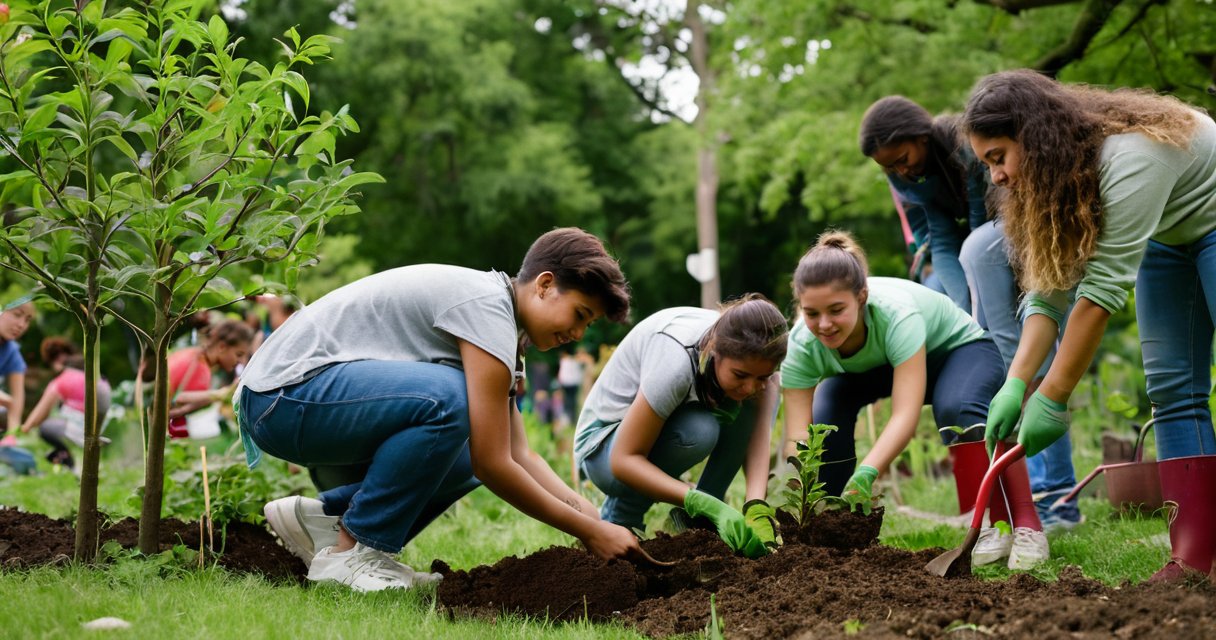
Participation in these groups encourages a deeper understanding of environmental issues, empowering individuals with knowledge and practical skills to live more sustainably. This education not only benefits club members but also spreads awareness throughout their social circles, creating a ripple effect that amplifies positive environmental behaviors. Moreover, sustainability clubs foster strong community involvement by bringing together diverse individuals who share a common goal. This sense of community builds connections and encourages collaboration that can lead to innovative solutions to local environmental challenges.

I grew up in the Milwaukee area and have always loved campus life, so covering UW‑Parkside’s student newspaper feels like home. I enjoy highlighting the stories that matter to our community and helping students find their voice.