At the University of Wisconsin-Parkside, humanities research and projects don’t just fill academic journals, they shape campus conversations, challenge assumptions, and give students real-world skills before graduation. Whether it’s a history major analyzing Civil War letters in the university archives or an English student curating a digital exhibit on local immigrant narratives, these initiatives turn abstract ideas into tangible work. The student newspaper, Parkside Campus Chronicle Online (TRN), plays a key role in amplifying these efforts, offering a platform where research findings, creative projects, and faculty-student collaborations reach a wider audience. What happens in the humanities classrooms and labs often spills into the pages of TRN, creating a feedback loop where scholarship and public engagement reinforce each other.
How Humanities Research Takes Root at UW-Parkside
Diversity and inclusion initiatives at UW-Parkside often begin with curiosity and a persistent question that drives humanities research forward. Take Dr. Sarah Hernandez’s ongoing project on the oral histories of Kenosha’s Latino community, for example. Over the past three years, her students have conducted over 40 interviews with local residents, transcribing and analyzing stories that might otherwise fade from memory. The work isn’t confined to a single discipline; it pulls from history, sociology, and even digital media, as students use software like NVivo to code themes and create interactive timelines. These projects often begin in upper-level seminars, where faculty encourage students to pursue independent research with the promise of presenting at the annual UW-Parkside Research Symposium. Last year, 12 humanities students presented their work, with topics ranging from the representation of disability in 19th-century literature to the linguistic evolution of African American Vernacular English in southeastern Wisconsin.
The university’s small size works to its advantage here. Unlike larger institutions where undergraduates might struggle to get noticed, UW-Parkside faculty actively seek out student collaborators. Dr. Hernandez’s project, for instance, has employed six students as research assistants since 2021, with two of them co-authoring a peer-reviewed article in the Wisconsin Magazine of History. This hands-on approach means students don’t just learn about research, they do it, often with funding from the university’s Undergraduate Research Apprenticeship Program, which provides stipends of up to $2,000 per semester. The program has supported 18 humanities projects in the last five years, with students using the funds to travel to archives, purchase transcription software, or even hire translators for non-English sources.
From Classroom to Community: Public Humanities Projects
Campus sustainability programs at UW-Parkside also bridge the gap between academic work and community involvement, much like public humanities projects. One standout example is the “Kenosha Voices” digital archive, a collaboration between the history department and the Kenosha Public Library. Launched in 2022, the archive has grown to include over 300 digitized photographs, letters, and oral histories, all accessible through a user-friendly website built by students. The project’s success lies in its local focus; rather than studying broad historical trends, students zero in on the stories of Kenosha’s Polish, Italian, and African American communities, many of which have been overlooked in traditional narratives. TRN has covered the archive’s development in a series of articles, including a feature on how students used GIS mapping to track the migration patterns of Kenosha’s early 20th-century factory workers.
Another public-facing initiative is the “Humanities in the Park” series, a monthly event held in Petrifying Springs Park where students and faculty present their research to the public. The series began in 2021 as a way to make humanities work more visible in the community, and it’s since attracted audiences of up to 50 people per event. Topics have included a student’s analysis of how Kenosha’s newspapers covered the 1967 civil rights protests, a faculty-led discussion on the environmental history of the Pike River, and a creative writing student’s reading of original poetry inspired by local landscapes. The events are free, open to all, and often include interactive elements, like a recent workshop where attendees helped transcribe handwritten letters from the 1800s. TRN’s coverage of these events not only documents the projects but also invites readers to participate, turning passive observers into active contributors.
The Role of Student Journalism in Showcasing Humanities Work
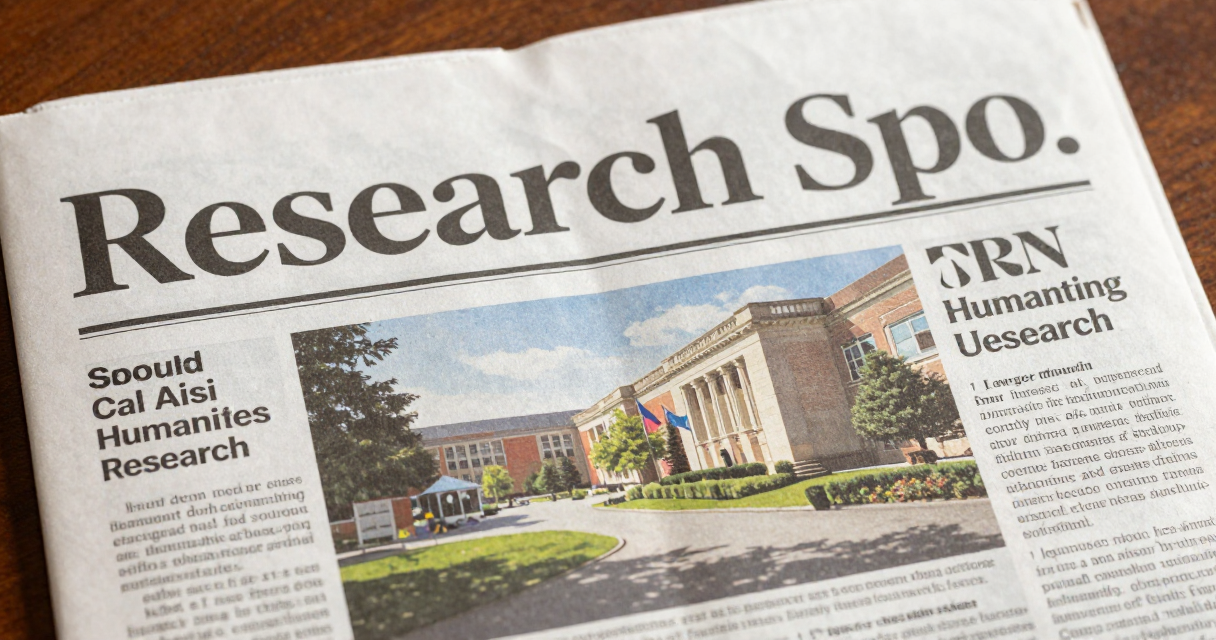
Students can explore campus journalism opportunities by contributing to TRN, which plays a vital role in sharing research and creative projects with the community. The newspaper’s “Research Spotlight” series, launched in 2020, has profiled over 20 student and faculty projects, from a philosophy student’s exploration of ethics in artificial intelligence to a Spanish major’s translation of a 19th-century travelogue. These articles do more than summarize findings; they contextualize the work within larger conversations, like how a student’s study of Kenosha’s labor history connects to current debates about unionization in Wisconsin. TRN’s reporters often attend research presentations and symposia, asking questions that push researchers to explain the real-world implications of their work. This back-and-forth has led to some of the newspaper’s most engaging content, like a 2023 feature where a history student and a TRN reporter collaborated to fact-check a local legend about a hidden tunnel under downtown Kenosha.
On WiSys they explain student research and innovation—watch the showcase right here.
The newspaper also serves as a testing ground for students to communicate complex ideas in accessible ways. Humanities research can be dense, filled with jargon that alienates non-specialists, but TRN’s editors work with writers to distill the essence of a project without oversimplifying it. For example, a 2022 article on a student’s analysis of gender roles in 1950s advertising used side-by-side comparisons of vintage ads and modern equivalents, making the research immediately relatable. This approach not only helps readers understand the work but also gives student researchers practice in public scholarship, a skill that’s increasingly valuable in academia and beyond. TRN’s archives now include over 50 articles on humanities projects, creating a permanent record of the university’s intellectual contributions and offering future students a roadmap for how to turn their own research into public-facing work.
Funding and Resources: How UW-Parkside Supports Humanities Projects
Securing funding for humanities research can be a challenge, especially at a regional university where STEM fields often dominate grant opportunities. Yet UW-Parkside has carved out several pathways to support humanities projects, both large and small. The College of Arts and Humanities offers annual research grants of up to $1,500 for faculty-led projects, with a portion of those funds earmarked for student collaborators. In 2023, the college awarded grants to eight projects, including a study of how Kenosha’s public art reflects its industrial past and a digital humanities initiative to map the city’s historic neighborhoods. These grants often cover expenses like archival access, software licenses, or stipends for student assistants, making it possible for projects to move beyond the planning stage.
External funding plays a role too. The university’s Office of Sponsored Programs helps faculty and students apply for grants from organizations like the National Endowment for the Humanities and the Wisconsin Humanities Council. In 2022, a team of UW-Parkside researchers secured a $10,000 grant from the Wisconsin Humanities Council to develop a traveling exhibit on the state’s immigrant labor history. The exhibit, which debuted at the Kenosha Public Museum in 2023, was entirely student-driven, with undergraduates designing the panels, writing the text, and even leading public tours. Smaller-scale funding is also available through the university’s Student Engagement Fund, which provides up to $500 for projects that combine research with community outreach. Last semester, a group of English majors used this fund to host a “Zine Workshop” where local high school students learned about self-publishing while creating their own mini-magazines on social justice themes.
Student Perspectives: What It’s Like to Work on Humanities Projects
For students, participating in humanities research and projects is often a transformative experience, one that reshapes how they see their education and their future careers. Maria Rodriguez, a senior history major, spent two years working on Dr. Hernandez’s oral history project, conducting interviews with Kenosha’s Latino elders. “At first, I was nervous about asking people to share their personal stories,” she says. “But after the first few interviews, I realized how much these stories matter. It’s not just about preserving history; it’s about giving people a voice.” Maria’s work on the project led to an internship at the Wisconsin Historical Society, where she’s now helping to digitize the organization’s Latino collections. Her experience is common among humanities students at UW-Parkside, where research often opens doors to internships, graduate school, and jobs in fields like education, public history, and nonprofit work.
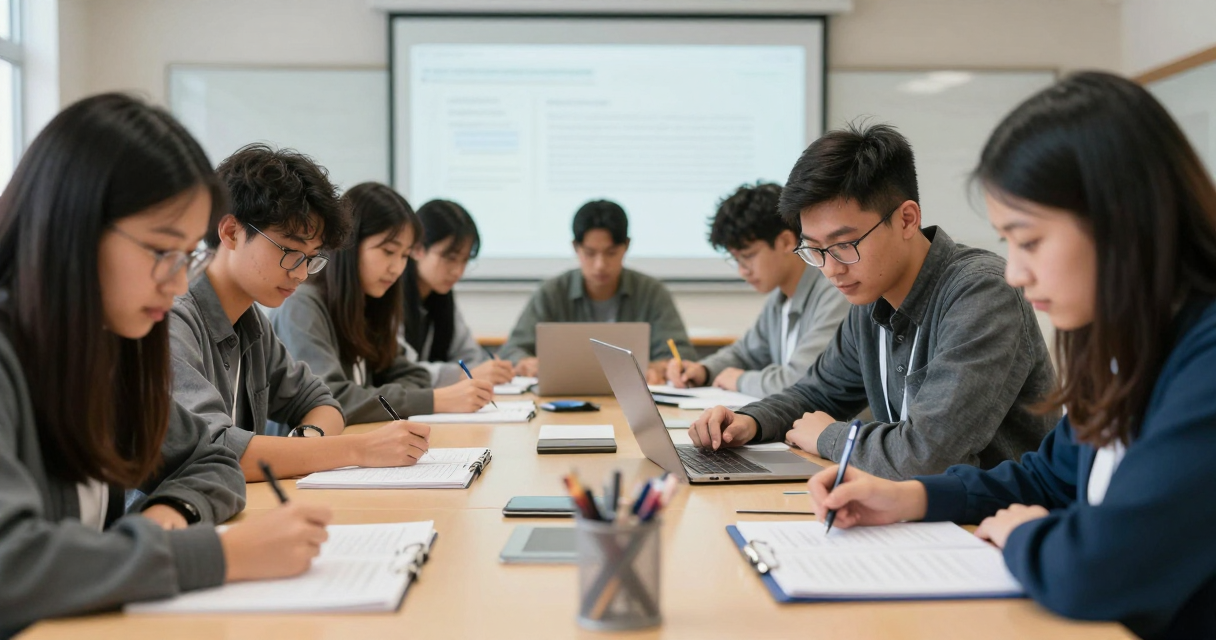
Other students find that humanities projects help them develop skills they didn’t expect to need. Jake Thompson, a philosophy major, worked on a digital humanities project that used text-mining software to analyze the language of Wisconsin’s 19th-century newspapers. “I thought I’d just be reading old articles,” he says. “But I ended up learning Python to clean the data, and now I’m comfortable with coding in a way I never thought I’d be.” Jake’s project was featured in TRN, and the article caught the attention of a local tech startup, which offered him a part-time job as a data analyst. Stories like these highlight how humanities research at UW-Parkside isn’t just about producing knowledge, it’s about equipping students with adaptable skills that translate across industries. The university’s emphasis on applied learning means students don’t just study the humanities; they use them to solve real problems, whether that’s designing a museum exhibit, analyzing public policy, or creating a podcast about local history.
Faculty-Student Collaborations: A Two-Way Street
At UW-Parkside, humanities research thrives on collaboration between faculty and students, with each side bringing something unique to the table. Faculty members benefit from the fresh perspectives and technical skills that students contribute, while students gain mentorship and hands-on experience that can’t be replicated in a classroom. Dr. Emily Chen, an assistant professor of English, has worked with over a dozen students on her project to digitize and annotate the letters of a 19th-century Wisconsin suffragist. “Students bring a level of energy and creativity that I can’t always match,” she says. “They’re the ones who suggested we create a podcast to accompany the letters, and now we’re working with the campus radio station to produce it.” The podcast, which launched in 2023, has already attracted listeners from across the state, proving that humanities research can reach audiences far beyond academia.
These collaborations often extend beyond the university, connecting students and faculty to local organizations and institutions. Dr. Chen’s project, for example, has partnered with the Kenosha County Historical Society, which provided access to its archives and helped promote the podcast. Similarly, a group of students working on a project about the environmental history of the Pike River teamed up with the Root River Council, a local advocacy group, to organize a community cleanup and educational event. These partnerships not only enrich the research but also give students a taste of how humanities work can make a tangible difference in the world. TRN has covered several of these collaborations, including a 2023 article on how a student-faculty team worked with the Kenosha Public Library to create a “living history” event where actors portrayed figures from the city’s past. The event drew over 200 attendees, many of whom had never set foot in the library before, demonstrating the power of humanities research to bridge gaps between the university and the community.
I grew up in the Milwaukee area and have always loved campus life, so covering UW‑Parkside’s student newspaper feels like home. I enjoy highlighting the stories that matter to our community and helping students find their voice.