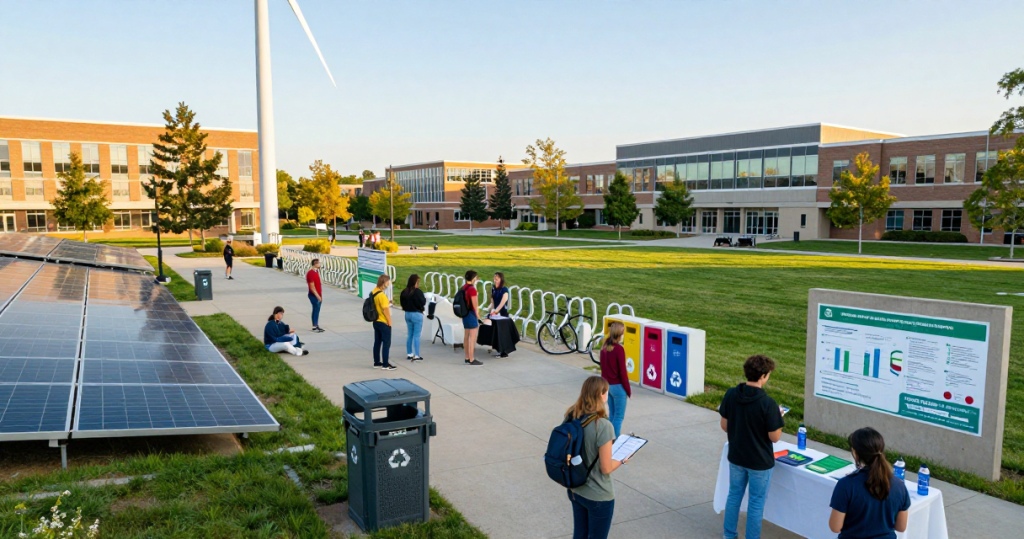
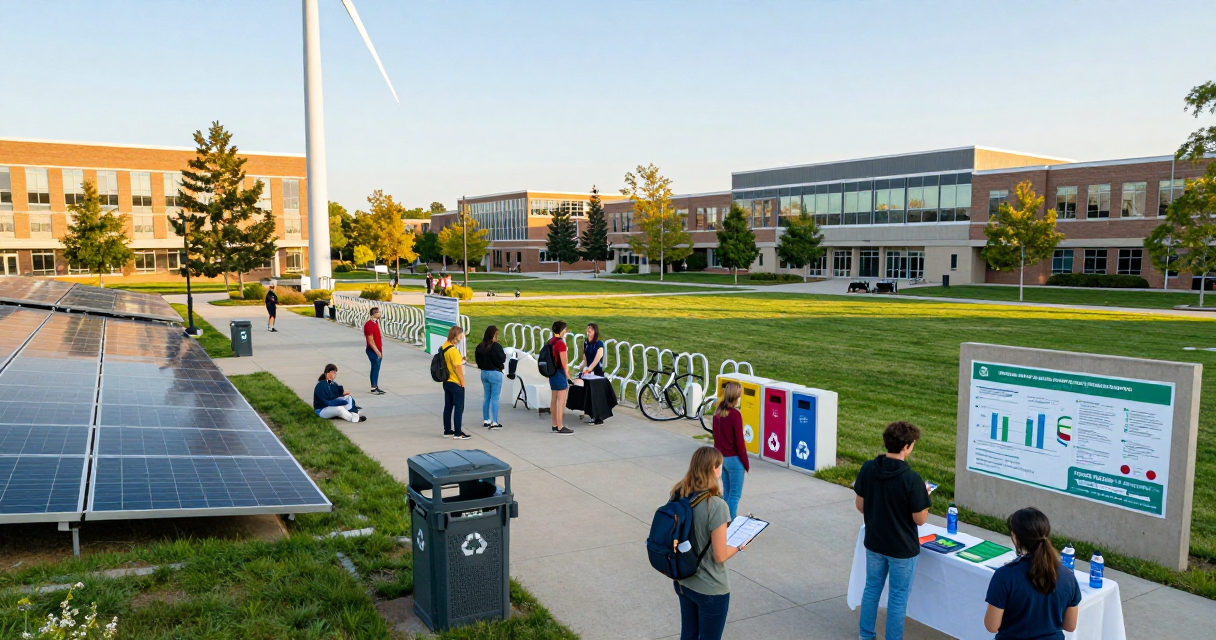
The University of Wisconsin‑Parkside student newspaper has long been a platform where campus concerns intersect with broader environmental conversations. Recent semesters have seen a surge in articles that track the university’s sustainability agenda, from energy audits to zero‑waste events. Readers increasingly expect data‑driven reporting that not only informs but also holds administrators accountable. By framing sustainability goals within the lived experiences of students, the newspaper turns abstract targets into tangible stories that resonate across the campus community. This focus aligns with the university’s commitment to embed environmental stewardship into every facet of campus life.
How the newspaper amplifies sustainability dialogue
Every semester, the editorial team dedicates a series of columns to unpacking the university’s environmental policies. Reporters interview facilities managers, faculty experts, and student activists to capture a range of perspectives on progress toward carbon neutrality. By publishing infographics that compare year‑over‑year emissions, the paper provides a visual benchmark that students can reference when discussing climate action. Moreover, the newspaper’s online platform allows for real‑time comment threads, encouraging readers to suggest improvements or share success stories from their own departments. This interactive approach transforms the publication into a living record of the campus’s environmental journey.
Beyond reporting, the student newspaper often collaborates with campus sustainability offices to host town hall meetings and panel discussions. These events are promoted through feature stories that highlight the relevance of each meeting to student life, such as the impact of energy‑saving measures on tuition costs. By weaving event coverage into regular news cycles, the newspaper ensures that sustainability initiatives remain visible throughout the academic year, rather than fading after a single semester’s push. This sustained visibility helps build momentum for long‑term policy change.
Tracking carbon reduction targets on campus
The university has committed to a 30 percent reduction in greenhouse gas emissions by 2030, a goal that the newspaper monitors through annual sustainability reports. Each report is broken down by sector, heating, electricity, transportation, and the newspaper translates those numbers into stories that illustrate how daily habits contribute to the larger picture. For example, a recent piece highlighted that retrofitting older residence halls with high‑efficiency boilers saved enough energy to power over 200 dorm rooms for a year. Such concrete examples help students see the direct link between institutional decisions and personal comfort.
In addition to reporting on the university’s progress, the newspaper also benchmarks UW‑Parkside against peer institutions in the Midwest. Comparative articles reveal that the campus’s emissions per student are already below the state average, yet still lag behind the most aggressive sustainability plans in the region. By presenting these findings alongside actionable recommendations, like expanding renewable energy contracts or incentivizing low‑carbon research projects, the newspaper positions itself as a catalyst for informed advocacy.
Waste diversion and recycling initiatives highlighted
Campus waste management has evolved from simple recycling bins to a comprehensive diversion program that aims for a 50 percent reduction in landfill waste by 2025. The student newspaper has chronicled each phase of this transformation, from pilot composting projects in the cafeteria to the rollout of single‑use plastic bans in campus events. Detailed coverage of the program’s metrics shows that, in the past year, recycling rates increased by 12 percent, diverting roughly 150 tons of material from landfills. These figures are presented alongside interviews with student volunteers who manage the sorting stations, offering a human face to the statistics.
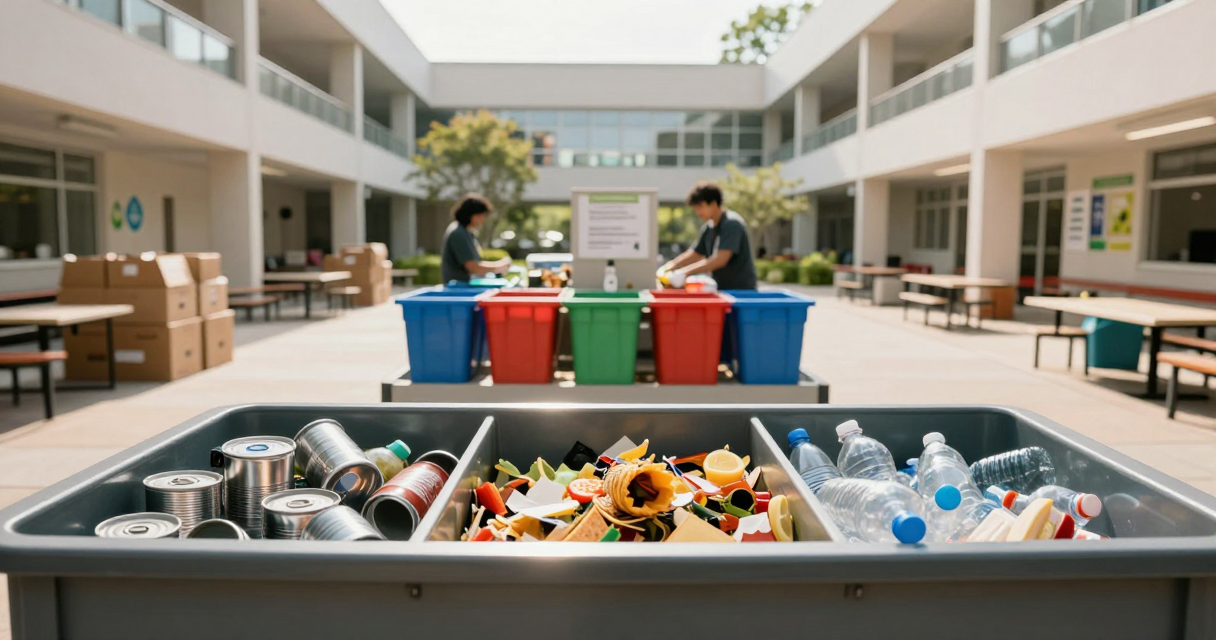
Beyond recycling, the newspaper has spotlighted innovative waste‑reduction efforts such as the “Zero Waste Challenge” organized by the environmental club. Articles on the challenge include step‑by‑step guides for students to audit their own consumption, encouraging a culture of personal accountability. By publishing success stories, like a dorm that eliminated disposable coffee cups entirely, the newspaper creates a repository of best practices that other residence halls can emulate. This continuous coverage reinforces the idea that waste reduction is an ongoing, community‑driven effort.
Sustainable transportation and its coverage
Transportation accounts for a significant share of the university’s carbon footprint, prompting the administration to invest in bike lanes, electric vehicle charging stations, and a revamped shuttle schedule. The student newspaper has dedicated a series of investigative pieces to assess the effectiveness of these measures. One report measured ridership on the new electric shuttles, finding a 20 percent increase in usage during the spring semester, which translated to an estimated reduction of 800 metric tons of CO₂ emissions. By correlating these numbers with student surveys, the newspaper highlighted both environmental benefits and improved convenience.
Student journalism also explores emerging alternatives such as car‑sharing programs and remote‑learning options that reduce commuting trips. Articles feature testimonials from students who have replaced daily drives with bike commutes, noting not only lower emissions but also health benefits. The newspaper’s coverage of transportation initiatives often includes cost‑benefit analyses, demonstrating how reduced fuel expenses can be redirected toward campus resources. This data‑rich reporting equips readers with the information needed to make greener travel choices.
Energy efficiency upgrades and student reporting
Recent campus renovations have focused on upgrading lighting systems to LED technology and installing smart thermostats in academic buildings. The newspaper’s investigative team conducted walkthroughs of newly retrofitted facilities, documenting energy savings that amount to an annual reduction of 1.5 million kilowatt‑hours. By interviewing engineers and facility managers, the articles explain how these upgrades integrate with the university’s broader sustainability framework, linking technical details to the campus’s carbon goals. Visuals such as before‑and‑after photos help readers grasp the tangible impact of the improvements.

Student reporters also track the financial implications of energy efficiency projects, noting that the initial investment of $2 million is expected to pay for itself within five years through lower utility bills. This financial perspective reinforces the argument that sustainability initiatives are not merely environmental gestures but also fiscally responsible decisions. By publishing these findings, the newspaper encourages ongoing support for future upgrades, such as geothermal heating pilots or solar panel installations on unused roof spaces.
Community partnerships and future sustainability goals
The university’s sustainability agenda extends beyond campus borders through collaborations with local businesses, municipal agencies, and nonprofit organizations. The student newspaper highlights these partnerships in feature stories that showcase joint projects like the community garden on the western edge of campus. This garden supplies fresh produce to the cafeteria while serving as a living laboratory for environmental science classes. Articles quantify the garden’s output, noting that it produces enough vegetables to feed approximately 300 meals each month, reducing the carbon intensity of food procurement.
Looking ahead, the newspaper has outlined the university’s next set of sustainability milestones, including a target to achieve net‑zero emissions by 2045. Coverage of this ambitious goal includes a roadmap that outlines incremental steps such as expanding on‑site renewable energy generation and enhancing carbon offset programs. By presenting these plans alongside actionable suggestions, like encouraging faculty to integrate sustainability modules into curricula, the newspaper positions itself as a conduit for collective ambition. This forward‑looking reporting ensures that the campus community remains engaged with the evolving sustainability narrative.

I grew up in the Milwaukee area and have always loved campus life, so covering UW‑Parkside’s student newspaper feels like home. I enjoy highlighting the stories that matter to our community and helping students find their voice.