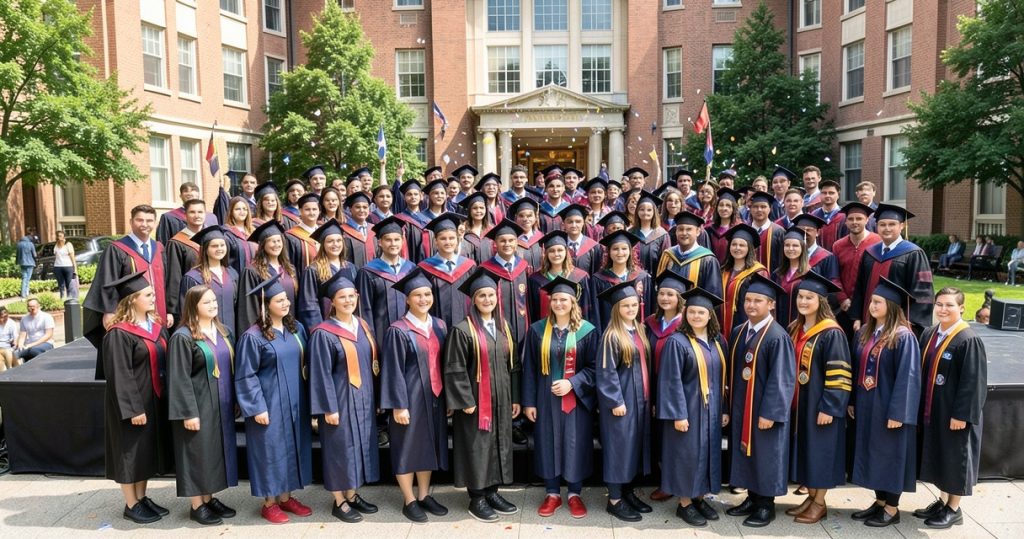
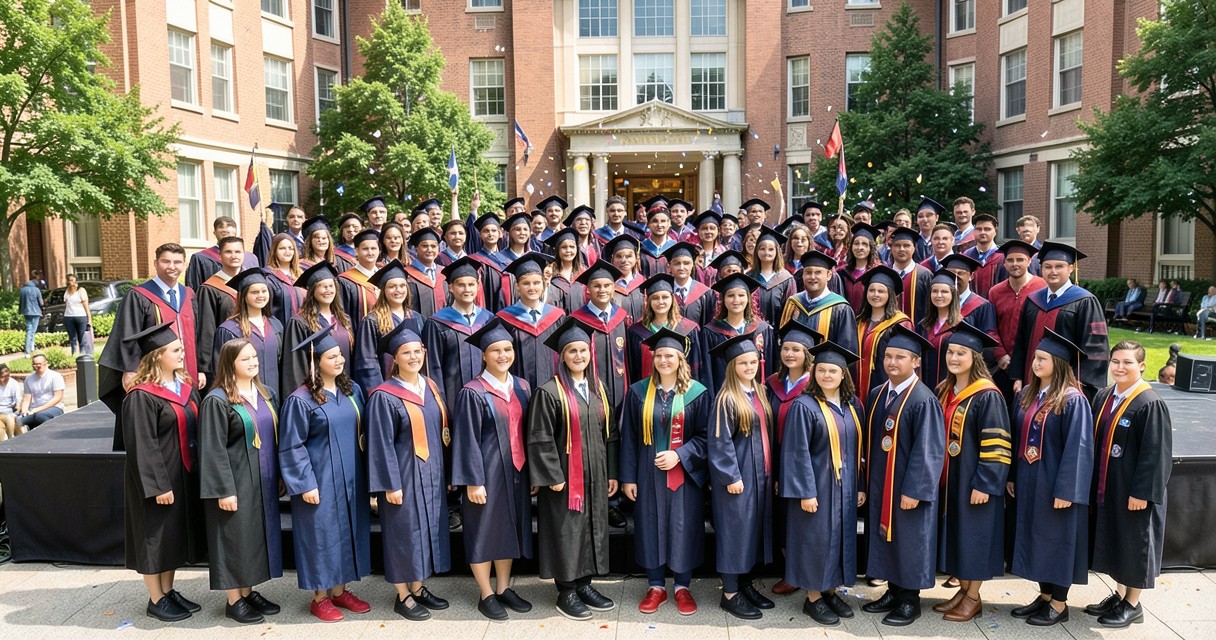
Graduation is a significant milestone in the lives of students, representing years of hard work, dedication, and personal growth. At the University of Wisconsin-Parkside, graduation is not just a ceremony; it is a celebration filled with cherished traditions that foster a sense of community and belonging. These traditions have evolved over the years, providing a unique blend of formal and informal practices that reflect the university’s spirit. This article will explore various campus traditions during graduation, comparing their significance, participation, and impact on the graduates and the campus community.
Commencement Ceremonies: Formal vs. Informal
The formal commencement ceremony at the University of Wisconsin-Parkside is a cornerstone of graduation traditions. This event typically includes speeches from distinguished faculty, recognition of student achievements, and the ceremonial conferring of degrees. Graduates don their caps and gowns, symbolizing their academic journey. In contrast, informal gatherings, such as celebratory parties and barbecues hosted by student organizations, provide a more relaxed atmosphere for graduates to celebrate with friends and family. While the formal ceremony emphasizes academic accomplishment, informal events focus on personal connections and community, allowing graduates to share their experiences and future aspirations in a more intimate setting.
Participation in the formal commencement is often mandatory for graduates, as it marks the official transition from student to alumnus. However, informal celebrations are optional and vary widely in scale and style. Some students may choose to host small gatherings at home, while others may participate in larger events organized by campus groups. This flexibility allows graduates to tailor their celebrations to their preferences, creating a balance between the solemnity of the formal ceremony and the joy of personal celebrations.
Cap Decorating: Personal Expression vs. Tradition
One of the most visually striking aspects of graduation at the University of Wisconsin-Parkside is the tradition of cap decorating. Graduates often personalize their caps with messages, artwork, or symbols that reflect their individual journeys and aspirations. This practice allows for personal expression and creativity within the confines of the traditional academic regalia. On the other hand, some graduates may choose to adhere strictly to the unadorned cap, following traditional expectations. This contrast highlights a broader conversation about how students balance personal identity with institutional traditions during such a pivotal moment.
Cap decorating has become increasingly popular, with many students sharing their designs on social media, fostering a sense of community and inspiration among peers. As graduates showcase their unique styles, this tradition encourages camaraderie and connection among students. However, it is essential for graduates to consider that certain decorations may not align with the university’s guidelines, emphasizing the importance of maintaining respect for the ceremony’s formality while also celebrating individuality.
Photography Traditions: Professional vs. Candid Moments
Graduation photography is another vital aspect of the celebration, with graduates often opting for professional photos to commemorate their achievements. Professional photographers capture the essence of the ceremony, providing polished images that families can cherish for years. These formal portraits typically take place before or after the commencement ceremony and often include family members, highlighting the support system behind each graduate’s success. However, many students also engage in candid photography, taking spontaneous pictures with friends and peers throughout the day. This informal approach captures the joyous atmosphere and the shared experiences of graduating together.
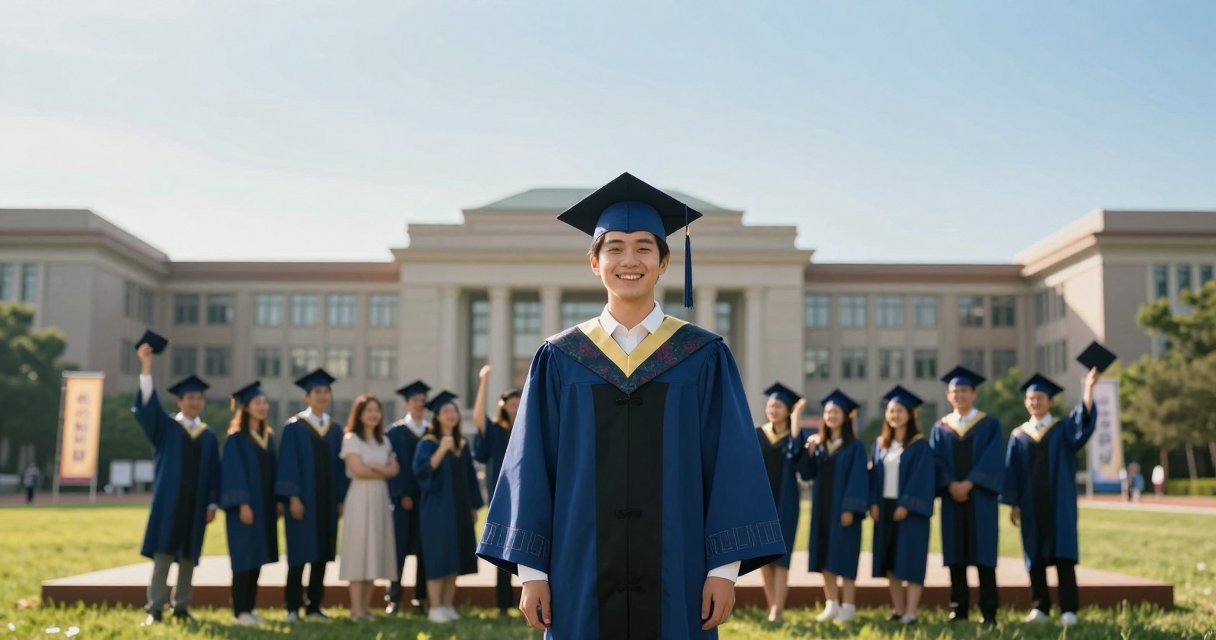
The choice between professional and candid photography reflects graduates’ varying priorities. Some may prioritize creating lasting memories with high-quality images, while others may prefer to document the day’s spontaneous moments. Both approaches serve to memorialize the graduation experience, but they offer different perspectives on the significance of the day. Ultimately, graduates should consider how they want to remember their graduation and choose the photography style that best aligns with their vision.
Alumni Networking: Structured vs. Organic Connections
Networking opportunities for graduates are an essential part of the post-graduation experience at the University of Wisconsin-Parkside. Structured networking events, often organized by the university’s alumni association, provide formal avenues for graduates to connect with alumni in their fields of interest. These events typically feature guest speakers, panel discussions, and opportunities for one-on-one interactions, allowing graduates to gain insights into their prospective careers and build professional relationships. In contrast, organic connections often occur during informal gatherings, where graduates share experiences and contacts in a more relaxed setting.
While structured networking offers a clear framework for building professional relationships, organic connections can lead to more authentic interactions. Graduates may find that some of their most valuable contacts come from casual conversations with fellow alumni at social events, rather than formal networking sessions. Balancing both approaches can maximize networking potential, enabling graduates to leverage the university’s resources while also cultivating personal connections that may lead to future opportunities.
Recognition Traditions: Individual vs. Group Celebrations
Recognition during graduation at the University of Wisconsin-Parkside encompasses both individual accolades and group celebrations. Individual recognitions include honors such as departmental awards, scholarships, and honors society memberships, which highlight specific achievements of outstanding students. These acknowledgments serve to motivate graduates and showcase their dedication to their respective fields. Conversely, group celebrations, such as class presentations or collective shout-outs, foster a sense of unity and shared accomplishment among graduates, emphasizing the collective nature of the university experience.
While individual recognition can enhance personal pride and motivation, group celebrations strengthen the bond among classmates, reminding graduates that they are part of a larger community. Striking a balance between celebrating individual achievements and fostering group camaraderie is essential for creating a well-rounded graduation experience. Graduates should take the time to acknowledge their peers’ accomplishments while also celebrating their own, reinforcing the values of collaboration and support that are fundamental to the University of Wisconsin-Parkside’s mission.
Family Involvement: Traditional Roles vs. Modern Dynamics
Family involvement during graduation ceremonies at the University of Wisconsin-Parkside has evolved alongside changing societal norms. Traditionally, families played a significant role in the graduation experience, often attending the ceremony to support their graduates. This involvement is still prevalent today, but modern dynamics have introduced new layers to family participation. Many graduates now include friends and mentors in their celebrations, reflecting a broader understanding of support systems beyond family ties. This evolution highlights the importance of diverse relationships in shaping a graduate’s journey.
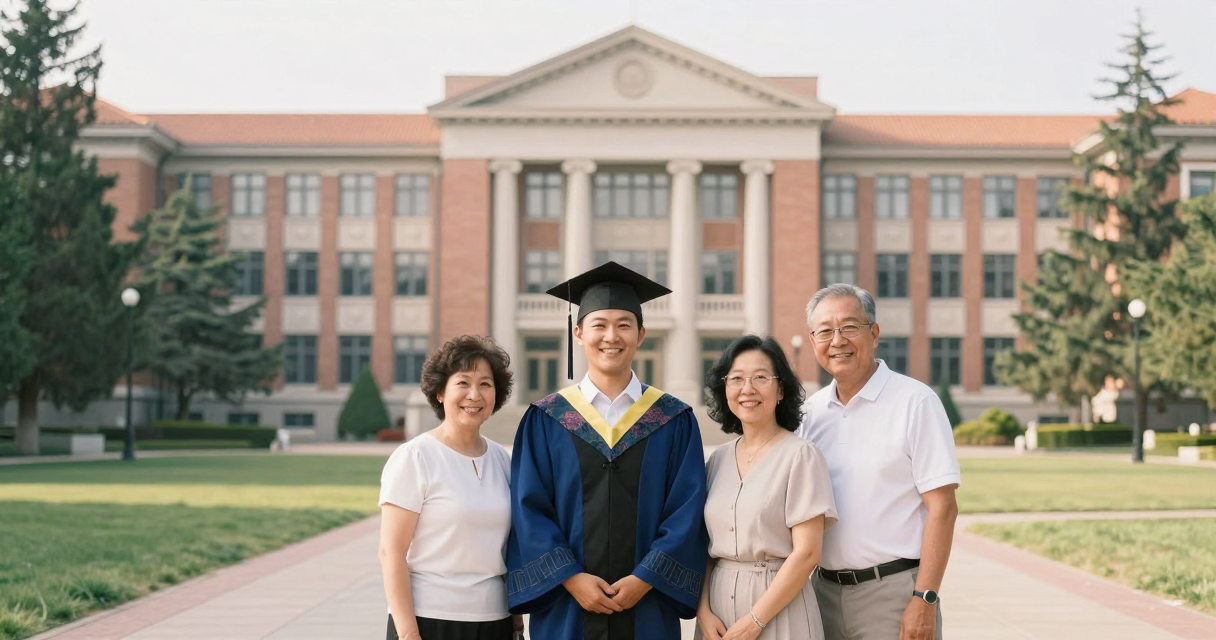
As families gather to celebrate this milestone, they often participate in pre- and post-ceremony activities, such as family dinners or outings around campus. These moments create lasting memories and deepen familial bonds. However, graduates should also consider how to honor non-traditional support systems, such as friends and faculty, during their celebrations. Acknowledging the contributions of a broader circle of support can enrich the graduation experience and foster a more inclusive celebration.
Legacy Traditions: Historical vs. Contemporary Practices
Legacy traditions at the University of Wisconsin-Parkside, such as the passing down of class gifts or the establishment of alumni scholarships, reflect the university’s commitment to fostering a sense of belonging and continuity. Historical practices often involve significant contributions from graduating classes, creating a lasting impact on future students. These traditions serve to connect graduates with the university’s history and mission. In contrast, contemporary practices may focus on modern issues, such as sustainability or inclusivity, encouraging current students to shape the legacy in ways that resonate with their values.
While legacy traditions connect graduates to the past, contemporary practices invite them to engage with current challenges and opportunities. Balancing historical appreciation with a forward-thinking mindset can empower graduates to contribute meaningfully to their communities. By participating in both legacy and contemporary traditions, graduates can leave a lasting impact on the university and inspire future generations to uphold the values that define the University of Wisconsin-Parkside.

I grew up in the Milwaukee area and have always loved campus life, so covering UW‑Parkside’s student newspaper feels like home. I enjoy highlighting the stories that matter to our community and helping students find their voice.