Getting involved in student art organizations at the University of Wisconsin-Parkside offers students a unique chance to develop creative skills, collaborate with peers, and showcase their talents beyond the classroom. For students interested in visual arts, performance, or literary expression, these groups provide structured environments to learn, network, and contribute to the campus culture. This guide breaks down how to find, join, and thrive in UW-Parkside’s art organizations, ensuring students make the most of these valuable opportunities while avoiding common pitfalls.
Identifying Relevant Student Art Groups at UW-Parkside
Before diving into participation, it’s essential to know which student art organizations exist on campus. UW-Parkside offers a variety of groups including the Visual Arts Club, the Creative Writing Society, and the Theater Guild. These organizations cater to different artistic disciplines and interests, from painting and digital media to spoken word and stage production. Checking the Student Activities Office website or visiting the campus involvement fair early in the semester can provide up-to-date information on active groups, meeting times, and leadership contacts. Additionally, the university’s art department often highlights student exhibitions and club events, which can be a great way to discover which organizations align with your interests.
Another useful strategy is to connect with faculty members in the School of Arts and Sciences, as they frequently advise or collaborate with student groups. They can offer insight into which organizations are currently thriving and how to get involved. Since some smaller or emerging clubs may not have a strong online presence, networking within classes or art-related events can reveal opportunities that aren’t widely advertised. By taking these steps, students ensure they find a student art organization that suits their creative goals and schedule.
Meeting Prerequisites and Preparing to Join
Most student art organizations at UW-Parkside welcome all skill levels, but some may require a basic portfolio review or a demonstration of interest, especially those involved in competitive exhibitions or performances. Before joining, it’s wise to review any application processes listed on the group’s social media or office postings. Gathering a small portfolio of your work can also help when introducing yourself to club leaders or faculty advisors. Even a simple collection of sketches, written pieces, or photos of past projects demonstrates commitment and gives you a starting point for collaboration.
Time management is another crucial prerequisite. Many art organizations meet weekly and expect active participation in planning events or exhibitions. Balancing coursework, work, and extracurricular involvement demands clear scheduling. New members should realistically assess their availability to avoid overcommitment, which can lead to burnout or missing important deadlines. Preparing mentally and logistically before joining helps students contribute effectively and enjoy their experience without unnecessary stress.
Joining the Organization and Making Connections
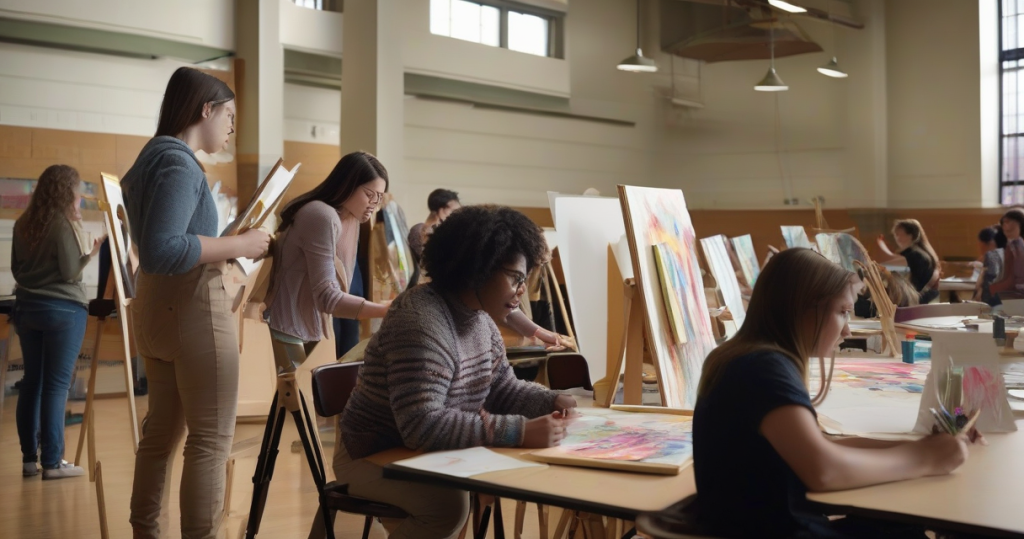
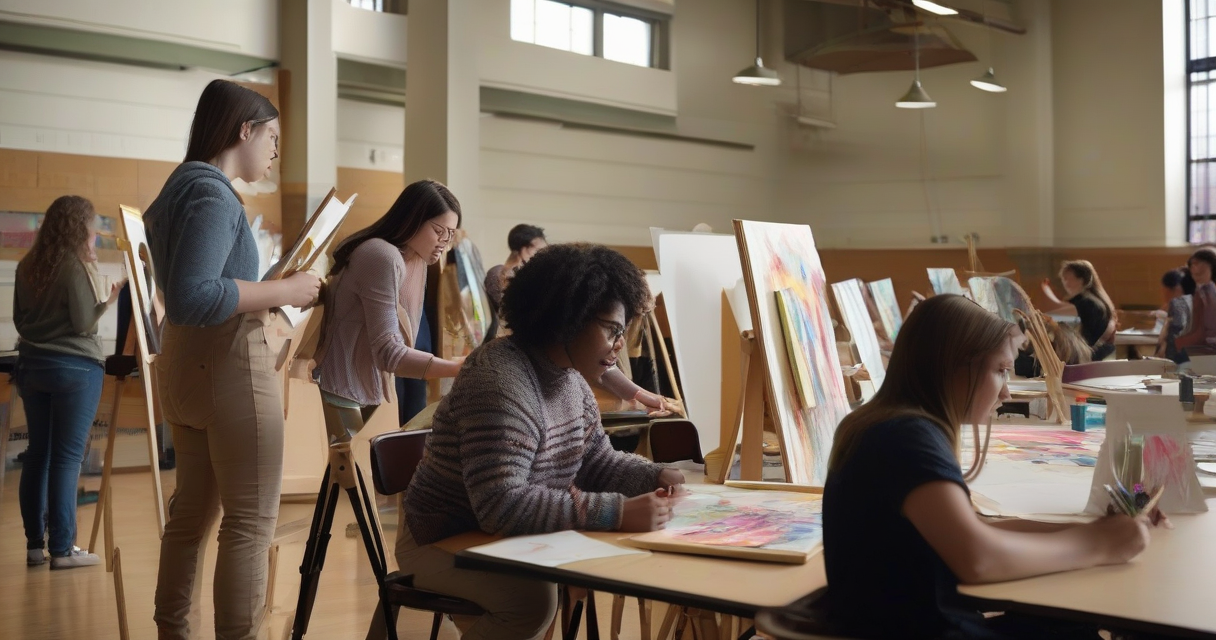
Once you’ve identified a group and prepared your materials, the next step is formal membership. This usually involves attending an initial meeting, filling out membership forms, and possibly paying a small dues fee if required. At UW-Parkside, student art organizations often hold welcome events or open studios where prospective members can meet current participants and learn about upcoming projects. Showing enthusiasm and asking questions at these sessions can make a strong impression on club officers and peers.
Richard Wright Schools: RWS Art Showcase & Sale 2026

Building relationships within the group is vital to gaining the full benefit of membership. Regular attendance and volunteering for tasks like event setup or social media promotion not only strengthen your ties but also build leadership skills. Many student art organizations rely on peer collaboration, so being approachable and communicative helps foster a positive creative environment. UW-Parkside’s supportive campus culture encourages inclusivity, so don’t hesitate to share your ideas or seek mentorship from experienced members.
Engaging in Projects and Showcasing Your Work
Active involvement in projects is where you can truly develop your artistic abilities and gain visibility. UW-Parkside’s art organizations frequently organize exhibitions, performances, and workshops that allow members to present their work to the campus community. Participating in these events requires commitment to deadlines, collaboration with other artists, and sometimes fundraising efforts. Taking on roles such as event coordinator or exhibition curator can deepen your understanding of the creative process and event management.
Students should take advantage of opportunities to contribute original work to group showcases or campus publications like the student newspaper, which often features art and literary pieces. Sharing your art through these channels not only builds your portfolio but also connects you with a wider audience. When preparing work for display, pay attention to presentation quality and artist statements, as these elements enhance the viewer’s experience and reflect professionalism. Consistent participation in these activities strengthens your resume and can open doors to internships or graduate programs.
Overcoming Common Challenges in Student Art Organizations
One of the frequent challenges students face is balancing creative freedom with group goals. Conflicts can arise when artistic visions differ, or when organizational duties compete with personal projects. Communicating openly and respecting diverse perspectives helps resolve these issues. UW-Parkside’s student leaders often facilitate conflict resolution and encourage democratic decision-making to maintain a healthy group dynamic. Learning to compromise and collaborate improves both the quality of projects and interpersonal skills.

Another common hurdle is managing time effectively during peak academic periods. Students sometimes neglect club responsibilities when exams or papers pile up, which can frustrate teammates. Planning ahead, setting realistic goals, and using campus resources like tutoring or counseling can alleviate stress. If workload becomes overwhelming, discussing adjustments with club officers or advisors ensures you stay connected without sacrificing academic performance. Recognizing these challenges early and addressing them proactively leads to a more rewarding artistic experience.
Maximizing the Impact of Your Involvement
To get the most from your time in student art organizations, consider taking leadership roles once you’re comfortable with the group’s operation. Positions like president, treasurer, or event coordinator provide valuable experience in organization, budgeting, and communication. UW-Parkside encourages student leaders to participate in leadership development workshops that enhance these skills and prepare students for future careers. Leading a successful event or exhibition can be a highlight on your resume and a confidence booster.
Networking beyond campus is another way to maximize impact. Many UW-Parkside art groups collaborate with local galleries, community centers, or regional arts events. Volunteering or presenting work at these venues expands your artistic reach and introduces you to professional contacts. Staying active in student organizations also connects you with alumni who can offer mentorship or job leads. By fully engaging in these opportunities, students build a foundation for long-term creative and professional growth.

I grew up in the Milwaukee area and have always loved campus life, so covering UW‑Parkside’s student newspaper feels like home. I enjoy highlighting the stories that matter to our community and helping students find their voice.