
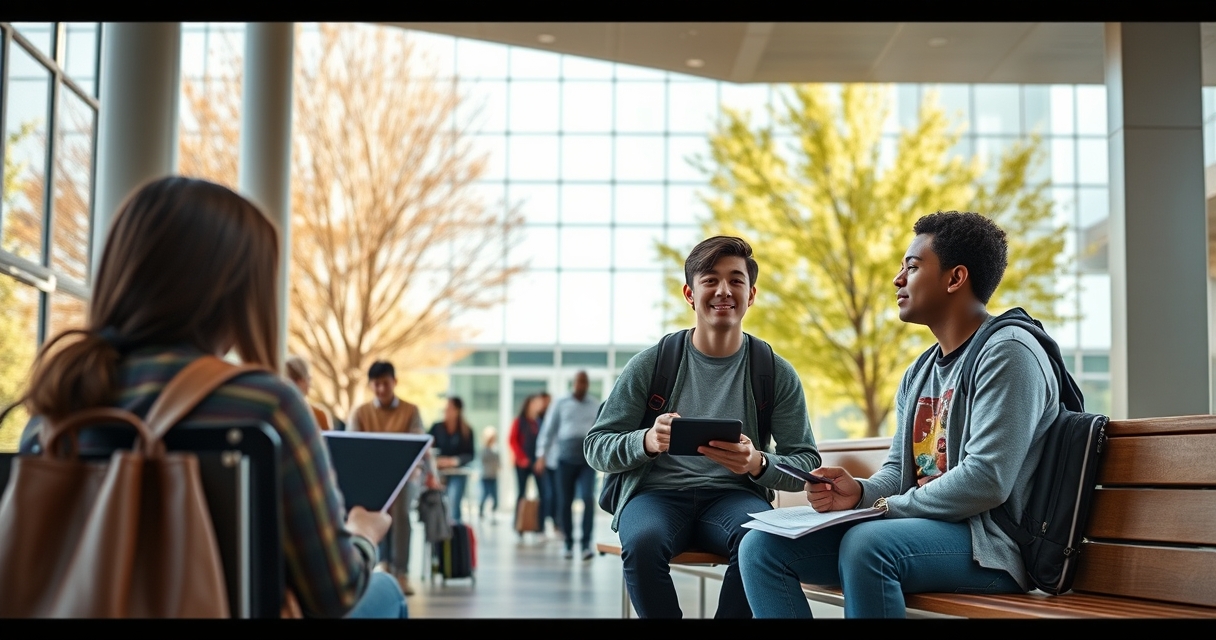
Commuter life at the University of Wisconsin-Parkside influences how students balance their academic majors at UW-Parkside with work and personal responsibilities. The campus newspaper, The Trail, captures these experiences through interviews, opinion pieces, and event coverage, giving voice to a population that often navigates long drives, early mornings, and late evenings. Understanding commuter perspectives helps administrators, faculty, and fellow students create a more inclusive environment that respects the unique challenges and contributions of those who travel from home each day. This article explores key themes from commuter student feedback, including insights from recent Faculty research highlights and campus initiatives.
Time Management and the Early‑Morning Routine
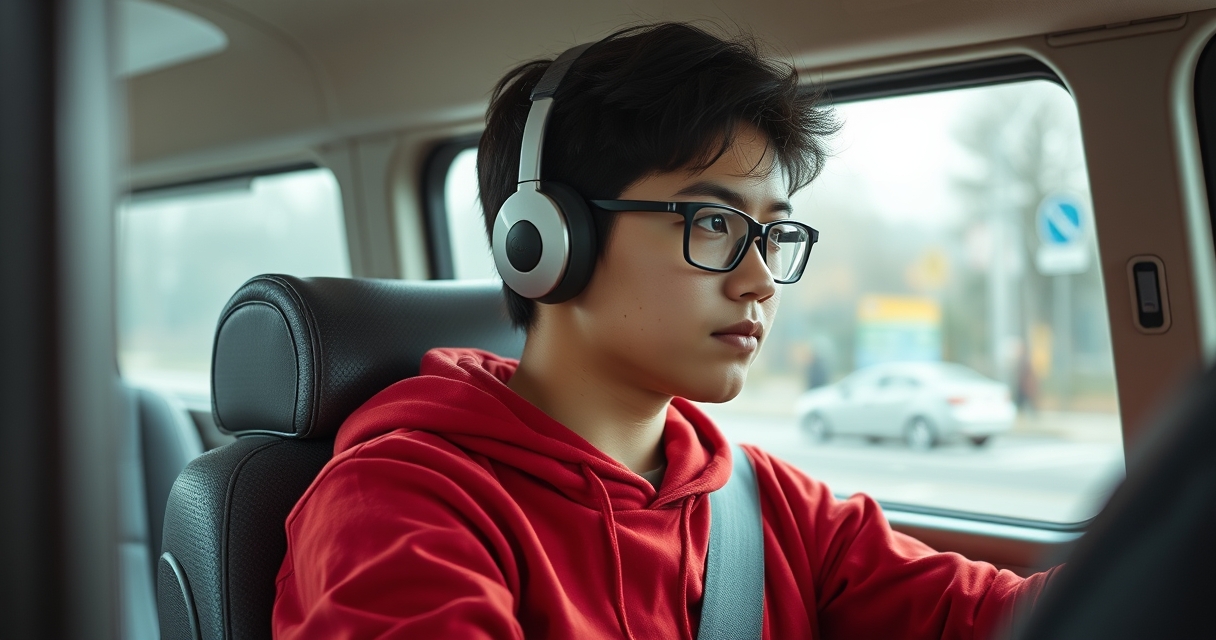
For many Parkside commuters, the day begins before sunrise, with a drive that can range from fifteen minutes to over an hour depending on traffic and weather conditions. Students report that the need to arrive on time for morning classes forces them to adopt strict scheduling habits, often using digital calendars and reminder apps to coordinate class times, part‑time jobs, and extracurricular commitments. A senior in business administration described how a consistent pre‑class routine, including a quick breakfast, a review of lecture notes, and a brief workout, helps maintain energy levels and focus throughout the day.
These tight schedules also impact study habits, as commuters frequently find themselves with limited pockets of free time between classes and the drive home. To make the most of these intervals, many turn to mobile learning tools, such as podcast recordings of lectures and cloud‑based document editors, allowing them to review material while stuck in traffic. The Trail has highlighted several student‑run study groups that meet virtually, providing flexible options that accommodate the unpredictable nature of commuting schedules.
Financial Considerations and Campus Resources
The cost of commuting adds a significant financial burden for many Parkside students, who must account for fuel, vehicle maintenance, and occasional parking fees. Surveys conducted by the student government indicate that over half of commuter respondents consider transportation expenses a primary source of financial stress. In response, the university has expanded subsidized parking permits and partnered with local transit agencies to offer discounted bus passes, aiming to alleviate some of the monetary pressure.
Beyond direct transportation costs, commuters often seek on‑campus employment that aligns with their schedules, such as evening shifts at the library or weekend positions in campus dining services. The Trail regularly profiles students who have secured these jobs, emphasizing how campus employment not only provides income but also reduces the need for additional off‑campus work. Financial literacy workshops hosted by the student financial aid office have become popular among commuters, offering budgeting strategies tailored to the unique expenses of daily travel.
Social Integration and Campus Community
Building a sense of belonging can be more challenging for commuters, especially for those navigating the Transfer student transition to campus life. Many commuter students express a desire for more inclusive events that fit within their schedules, such as late‑afternoon gatherings or virtual socials. The Trail has reported on successful initiatives like “Coffee on the Quad” mornings, where a quick, free coffee service encourages brief but meaningful interactions among students rushing between classes.
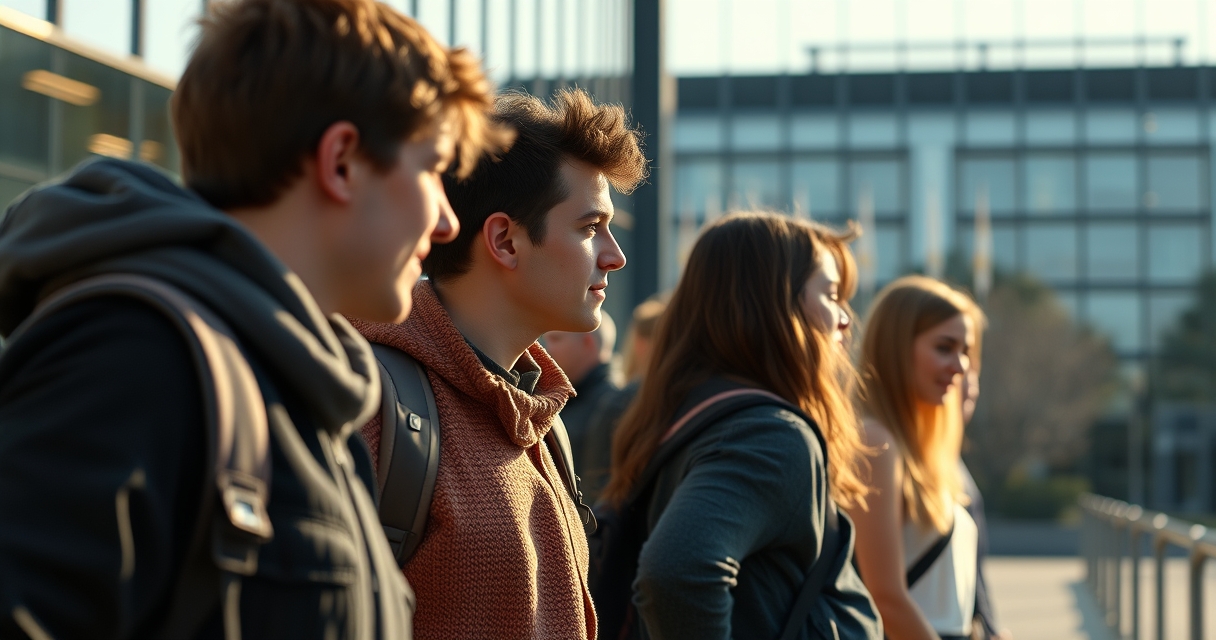
Student organizations have also adapted by creating hybrid meeting formats, allowing commuters to attend via video conference when they cannot be physically present. This flexibility has increased participation rates, with clubs reporting a rise in attendance from commuter members after implementing such options. Peer mentorship programs, highlighted in recent newspaper articles, pair new commuters with upper‑classmen who can share tips on navigating campus life and recommend resources that might otherwise go unnoticed.
Academic Performance and Support Services
Research from the university’s academic success center suggests that commuter students maintain comparable GPA levels to their residential peers when they effectively utilize support services. However, the need to juggle travel time often leaves less room for in‑person tutoring sessions or office hour visits. To bridge this gap, the campus has expanded virtual tutoring platforms and extended library hours, ensuring that commuters can access academic help at any hour that fits their schedule.
Advisors play a crucial role in guiding commuters through course selection that minimizes back‑to‑back classes and reduces the number of days spent on campus. The Trail frequently features stories of advisors collaborating with students to design balanced timetables that accommodate work commitments and family responsibilities. Additionally, commuter‑focused study lounges equipped with charging stations and comfortable seating provide a welcoming space for students to catch up on coursework between classes.
Health and Well‑Being Challenges
Long drives and irregular sleep patterns can take a toll on the physical and mental health of commuter students. A recent health survey revealed that a notable percentage of commuters experience higher stress levels and report fatigue more often than residential students. The university’s wellness center has responded by offering flexible fitness class schedules, including early‑morning yoga and late‑evening meditation sessions designed to fit within commuters’ tight timelines.
Nutrition also emerges as a concern, as commuters may rely on quick meals due to limited access to healthy options through Campus dining services. To address this, the campus dining services introduced grab‑and‑go healthy options, and the student newspaper highlighted a student‑run initiative that distributes fresh fruit and snack packs at the main parking lot. Mental health resources, such as tele‑counseling appointments, have become increasingly popular, providing commuters with confidential support without the need to travel to the counseling center during busy hours.
Future Directions and Student‑Led Advocacy
Looking ahead, commuter students at Parkside are actively advocating for policies that further enhance their campus experience. Recent petitions submitted to the university administration call for additional shuttle services, expanded evening parking, and more commuter‑specific events hosted by The Trail and other student media. These efforts demonstrate a growing recognition of the commuter voice within the broader dialogue shaped by campus radio and media.
Student leaders continue to collaborate with faculty and staff to develop innovative solutions, such as integrating commuter perspectives into curriculum design and creating interdisciplinary projects that explore the impact of commuting on academic outcomes. By contributing to the university newspaper, commuter students learn how to get involved in campus journalism and share their stories.

I grew up in the Milwaukee area and have always loved campus life, so covering UW‑Parkside’s student newspaper feels like home. I enjoy highlighting the stories that matter to our community and helping students find their voice.