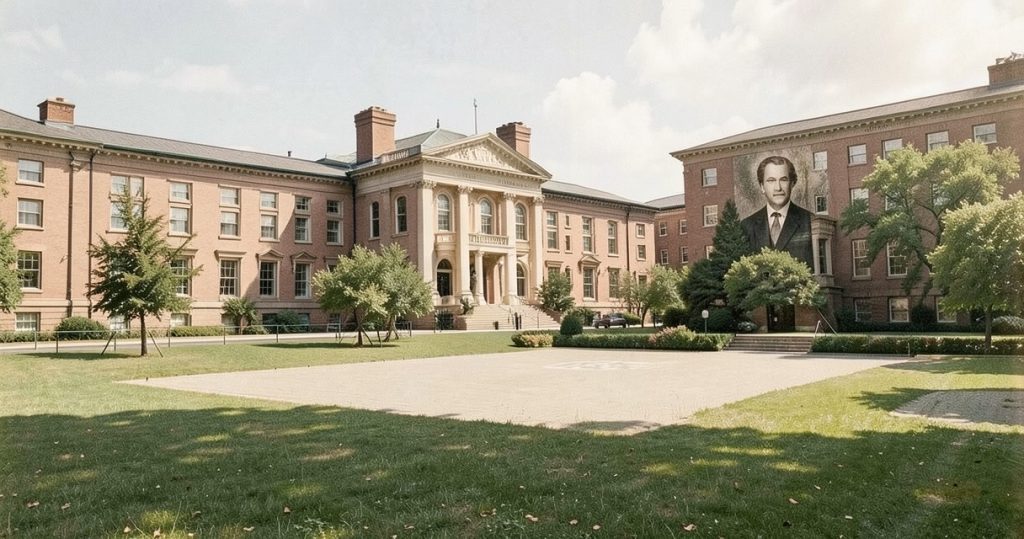
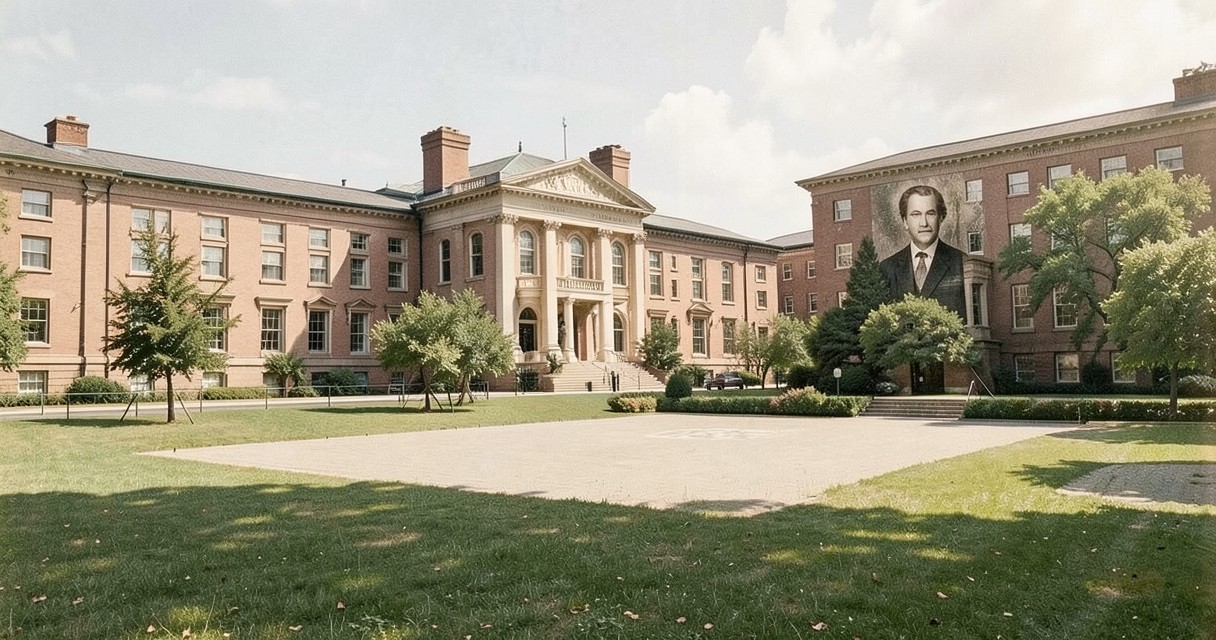
The University of Wisconsin-Parkside, commonly referred to as UW-Parkside, has a rich and dynamic history that reflects its commitment to providing quality education and fostering community engagement. Founded in 1968, the campus was established to serve the growing population of southeastern Wisconsin and northern Illinois. The decision to create a new university stemmed from the need for accessible higher education in a region experiencing rapid growth. This article delves into the history of UW-Parkside’s founding, exploring the factors that led to its establishment, the vision behind its creation, and the evolution of the campus over the years.
The Vision for a New University
In the 1960s, Wisconsin faced a significant demographic shift, with an increasing number of high school graduates seeking higher education. Recognizing the need for more accessible educational opportunities, state officials and educators began discussions about establishing a new university in the southeastern region. The vision was to create an institution that would not only provide academic programs but also serve as a cultural and community hub. This vision was championed by influential figures, including then-Governor Warren P. Knowles, who understood the importance of expanding educational access to support the region’s workforce and economic development.
The establishment of UW-Parkside was also influenced by the University of Wisconsin System’s commitment to regional campuses. The goal was to create a university that could offer a comprehensive liberal arts education while also being responsive to the needs of local communities. This approach aimed to ensure that students would receive a well-rounded education that prepared them for both professional success and civic engagement.
The Site Selection and Campus Development
After the decision to establish UW-Parkside was made, the next step involved selecting a suitable location for the campus. In 1965, the state acquired a 700-acre site in Somers, Wisconsin, which offered ample space for future expansion and development. The site was strategically chosen for its proximity to major highways and nearby urban centers, making it accessible for students from both Wisconsin and Illinois.
The campus design was a collaborative effort that aimed to blend the natural landscape with modern architectural elements. The initial buildings were constructed using a unique design that emphasized open spaces and accessibility. This design philosophy reflected the university’s commitment to creating an inviting environment for students, faculty, and the community. The first building, the Student Center, opened in 1968, marking the official beginning of UW-Parkside’s academic journey.
Official Opening and Early Years
UW-Parkside officially opened its doors to students in September 1970, welcoming its first cohort of approximately 800 students. The initial academic offerings included liberal arts programs, emphasizing the importance of a well-rounded education. The university quickly established itself as a vital educational resource in the region, attracting students from diverse backgrounds and interests.
BloxyEditz: Last Day Of Elementary School
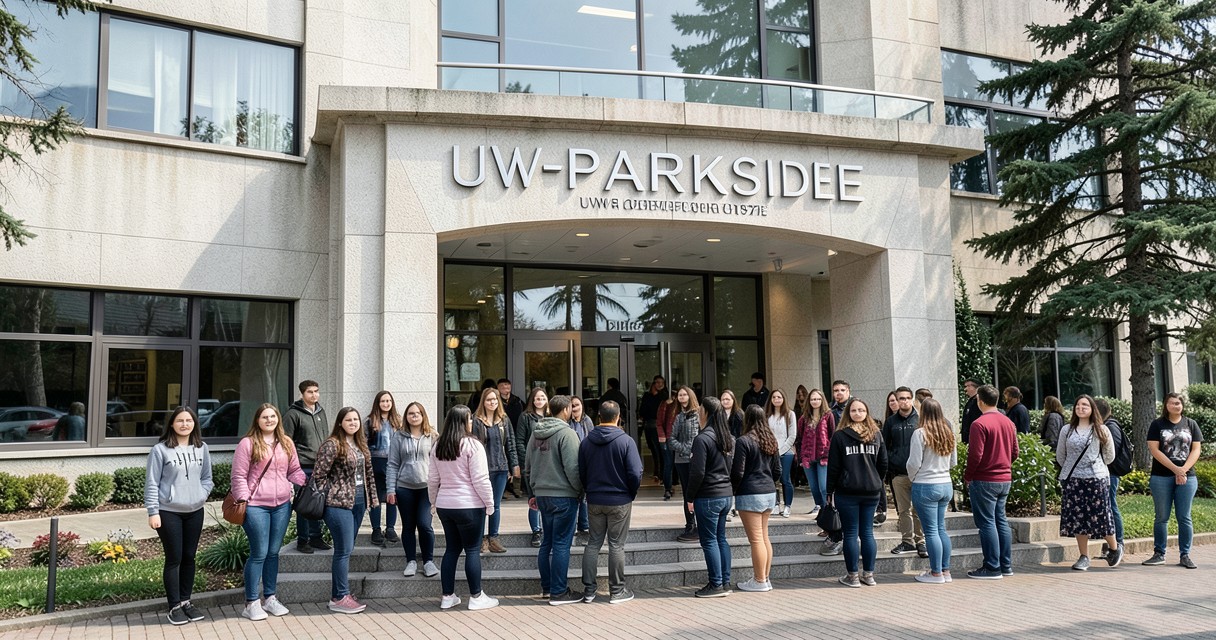
During its early years, UW-Parkside faced challenges typical of new institutions, including the need to build a robust faculty and develop a comprehensive curriculum. The administration focused on fostering a supportive academic environment, hiring qualified faculty who were committed to teaching and mentoring students. This foundational period laid the groundwork for the university’s future growth and success.
Growth and Expansion in the 1980s and 1990s
The 1980s and 1990s marked a period of significant growth for UW-Parkside. As enrollment numbers increased, the university expanded its academic offerings to include professional programs and graduate degrees. This expansion was driven by the recognition of the changing job market and the need for a skilled workforce in fields such as business, education, and the sciences.
In response to the evolving demands of students and the community, UW-Parkside also enhanced its facilities, adding new buildings and resources. The construction of the Rita Tallent Picken Regional Center for Arts and Humanities in 1993 was a notable addition, showcasing the university’s commitment to the arts and culture. This center became a focal point for community engagement, hosting various events, performances, and exhibitions that enriched the cultural landscape of the region.
Community Engagement and Partnerships
From its inception, UW-Parkside has prioritized community engagement and partnerships. The university actively collaborates with local businesses, organizations, and schools to create pathways for student success and workforce development. Initiatives such as internships, cooperative education programs, and community service projects have become integral to the student experience, allowing learners to apply their knowledge in real-world settings.
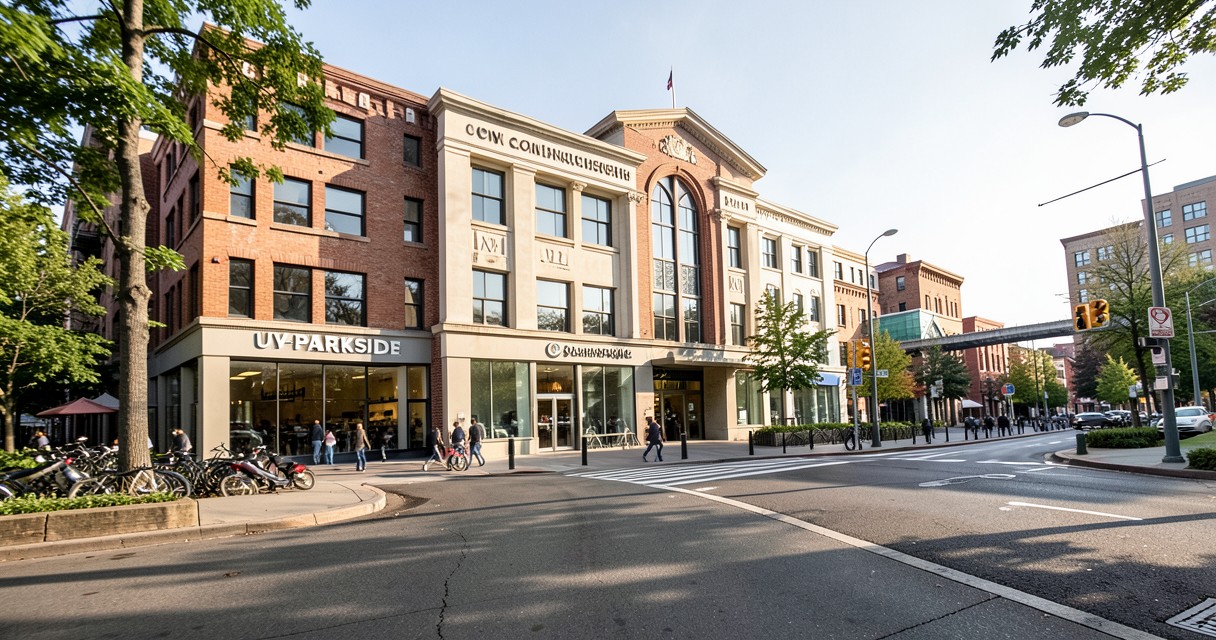
The university’s commitment to serving the community is reflected in its outreach programs, which aim to increase access to education for underrepresented populations. UW-Parkside has established various programs designed to support first-generation college students and those from diverse backgrounds, ensuring that higher education remains accessible to all members of the community.
The Modern Era and Future Directions
Entering the 21st century, UW-Parkside has continued to evolve, adapting to the changing landscape of higher education. The university has embraced technology and online learning, providing students with flexible options to pursue their degrees. This shift has been particularly important in light of the global pandemic, which accelerated the adoption of remote learning models.
As UW-Parkside looks to the future, it remains committed to its mission of fostering academic excellence and community engagement. The university continues to explore new programs and initiatives that align with the needs of students and the workforce. With a focus on sustainability and innovation, UW-Parkside is poised to remain a vital educational institution in southeastern Wisconsin for generations to come.

I grew up in the Milwaukee area and have always loved campus life, so covering UW‑Parkside’s student newspaper feels like home. I enjoy highlighting the stories that matter to our community and helping students find their voice.