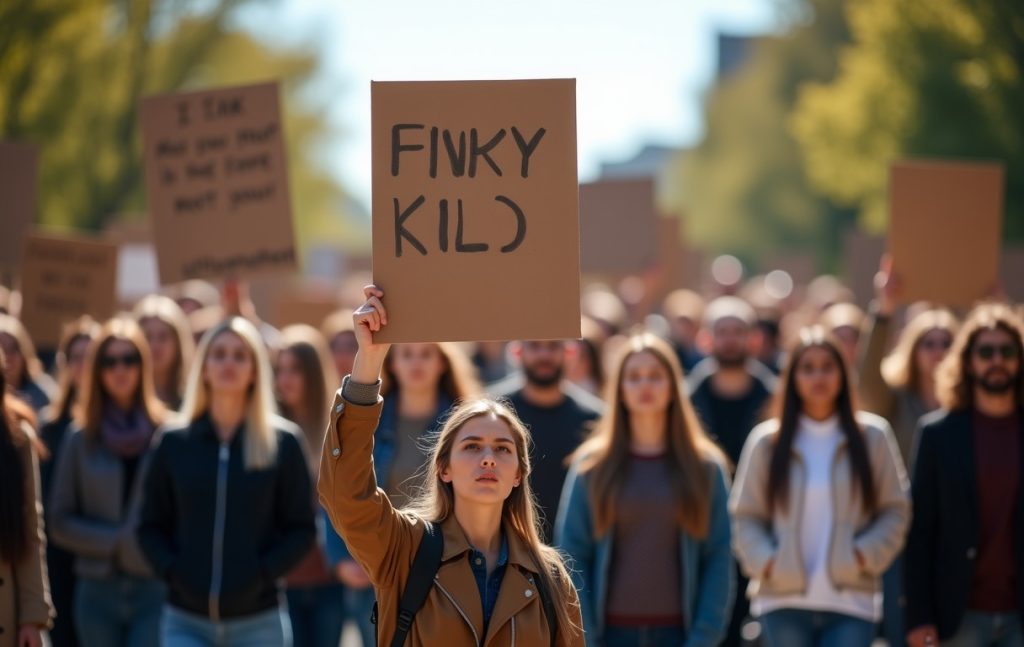
Student activism at the University of Wisconsin Parkside has become a defining force for campus life, shaping everything from policy decisions to the way the student newspaper reports the news. When students organize around tuition, climate change, voting rights, or free speech, the ripple effects are felt in classrooms, administrative offices, and the broader community of Kenosha. The Parkside Gazette has adapted to modern trends, including the evolution of online learning at UW-Parkside, to better document and amplify student movements in real time. Understanding how activism influences the university, the Gazette, and the surrounding area offers insight into why student voices matter now more than ever.
How the Parkside Gazette Amplifies Student Voices
The Gazette’s coverage of protests and petitions goes beyond simple reporting; it creates a feedback loop that encourages more participation. During the 2021 tuition hike demonstration, the newspaper ran a series of front‑page articles, opinion pieces, and photo essays that highlighted student grievances and offered space for faculty commentary. This blend of factual reporting and editorial dialogue helped the protest gain momentum, leading to a faculty‑senate vote that temporarily froze tuition increases. By giving activists a dedicated outlet, the Gazette not only preserves the historical record but also validates the concerns of those who take to the quad.
Beyond print, the Gazette’s online platform extends the reach of campus activism to alumni, local businesses, and policymakers. Social media posts featuring live streams of rallies, interactive polls on student priorities, and newsletters summarizing weekly actions have attracted over 3,000 unique visitors per month. Digital tools enable the newspaper to connect the campus with the wider community, highlighting the expanding role of campus radio and media in fostering public dialogue.
Policy Shifts Sparked by Campus Demonstrations
Student protests, especially when coordinated through the Gazette, have reshaped university governance by engaging with the Student government structure to drive meaningful change. In the spring of 2022, a coalition of environmental clubs staged a climate strike that halted classes for a half‑day, demanding renewable energy commitments. The Gazette’s coverage included a detailed breakdown of the university’s current energy mix and a series of interviews with sustainability officers. Within two months, the administration announced a plan to transition 50 percent of campus electricity to solar power by 2025, a pledge that was celebrated in a Gazette editorial praising the students’ persistence.
Another notable example is the 2023 voting rights campaign, where student groups partnered with local nonprofits to register young voters ahead of the midterm elections. The Gazette published a step‑by‑step guide on voter registration, featured stories of first‑time voters, and tracked the campaign’s progress through weekly infographics. The resulting surge in campus voter turnout prompted the university to adopt a more flexible absentee‑ballot policy, ensuring that students could participate in elections even when academic obligations conflicted with polling hours.
Building Leadership Skills Through Activism
Participating in organized protests offers students practical experience that complements classroom learning. Organizers of the 2021 tuition demonstration learned to draft petitions, negotiate with administrators, and manage media relations, all skills that translate to future careers in law, public affairs, and nonprofit management. The Gazette often profiles these student leaders, highlighting their strategic choices and reflecting on how activism refined their communication abilities. Such profiles serve as mentorship tools for younger students who are eager to step into leadership roles but lack a roadmap.

Workshops hosted by the student government, in collaboration with the Gazette, provide hands‑on training in public speaking, digital campaigning, and conflict resolution. Participants leave with a portfolio of campaign materials, from flyers to press releases, that can be showcased during job interviews. By institutionalizing these learning opportunities, the university creates a pipeline of graduates who are not only academically proficient but also civically engaged and ready to influence change beyond campus borders.
Cross Campus Coalitions and Their Lasting Networks
Effective activism often requires alliances that bridge academic departments, cultural organizations, and community groups. The 2022 climate strike, for instance, brought together the biology department’s sustainability lab, the sociology club’s social justice forum, and local environmental NGOs. The Gazette documented the coalition‑building process, noting how each group contributed unique resources, lab data, sociological research, and outreach expertise. These partnerships persisted after the strike, evolving into a semester‑long research symposium on climate resilience that continues to attract funding from state agencies.
Student activists also benefit from mentorship networks that extend beyond the university. Alumni who once led campus protests now serve on advisory boards for the Gazette, offering guidance on media strategy and fundraising. This intergenerational exchange reinforces a culture of activism that is both historically grounded and forward‑looking, ensuring that each new wave of protest has the institutional memory to avoid past missteps and the fresh perspective to innovate.
Digital Platforms Extend the Reach of Campus Protests
While traditional flyers and rallies remain vital, digital tools have transformed how students mobilize and sustain movements. During the 2023 voting rights drive, organizers launched a custom hashtag on Instagram that aggregated over 1,200 posts, creating a visual archive of the campaign’s impact. The Gazette’s website incorporated an interactive map that displayed registration booths, attendance numbers, and demographic data, allowing activists to target underserved neighborhoods with precision. These data‑driven approaches increase efficiency and give students a tangible sense of progress.
Live‑streaming events on platforms like Twitch and YouTube has also broadened participation for students who cannot attend in person due to work or caregiving responsibilities. A notable example was the 2022 forum on free speech, which drew 800 concurrent viewers from across the Midwest, sparking a regional dialogue about academic freedom. By archiving these streams and embedding them within Gazette articles, the newspaper ensures that the conversation remains accessible long after the live event ends.
Activism’s Role in Shaping Community Relations
The University of Wisconsin Parkside does not exist in isolation; its activism often reverberates through the surrounding Kenosha neighborhoods. When student groups organized a food‑security walkout in 2021, they partnered with local pantries to distribute meals to families in need. The Gazette highlighted these collaborations, emphasizing how student advocacy can address immediate community concerns while also drawing attention to systemic issues like affordable housing. Such coverage reinforces the university’s reputation as a civic anchor and encourages residents to view students as allies rather than outsiders.
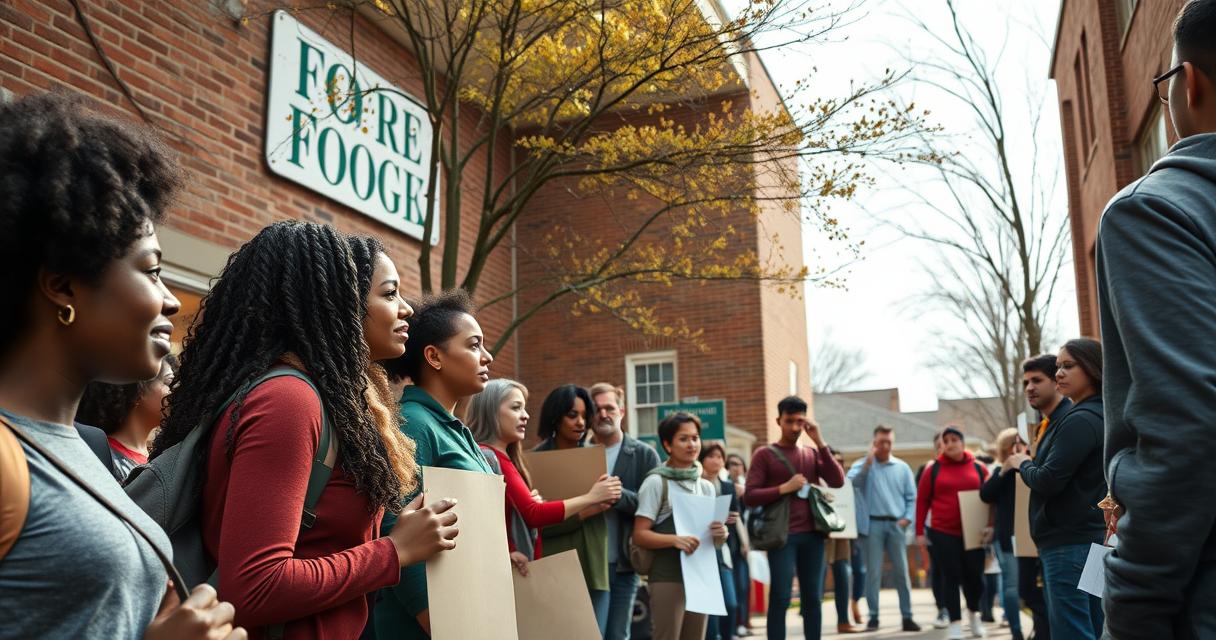
Local elected officials have taken notice of campus activism, inviting student representatives to town‑hall meetings and legislative hearings. In 2022, a panel of Parkside activists testified before the Wisconsin State Assembly on a bill concerning student loan forgiveness, citing personal experiences documented in Gazette op‑eds. Their testimony helped shape the final language of the legislation, demonstrating how campus movements can influence state‑level policy when amplified through diligent journalism.
Future Challenges and Opportunities for Student Activists
As student activists at Parkside look to the future, they must consider how Campus safety policies will adapt to challenges like digital misinformation and evolving protest regulations. The Gazette plans to launch a fact‑checking initiative that partners journalism students with activist groups to verify claims before they spread on social media. By embedding rigorous research into the activism workflow, the newspaper aims to preserve credibility and protect movements from sabotage.
At the same time, emerging technologies such as augmented reality present new avenues for immersive storytelling. Imagine a future protest where participants can view a virtual timeline of past campus actions projected onto the campus green, guided by narratives curated by the Gazette. Such innovations could deepen engagement, attract broader audiences, and ensure that the legacy of student activism at the University of Wisconsin Parkside continues to inspire generations to come.

I grew up in the Milwaukee area and have always loved campus life, so covering UW‑Parkside’s student newspaper feels like home. I enjoy highlighting the stories that matter to our community and helping students find their voice.