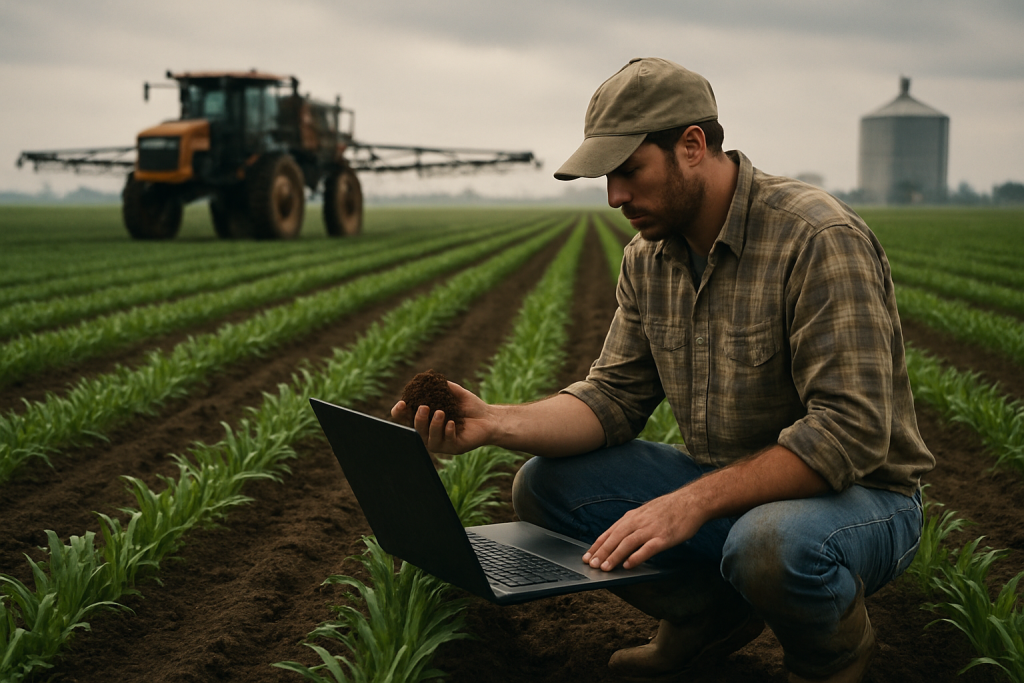
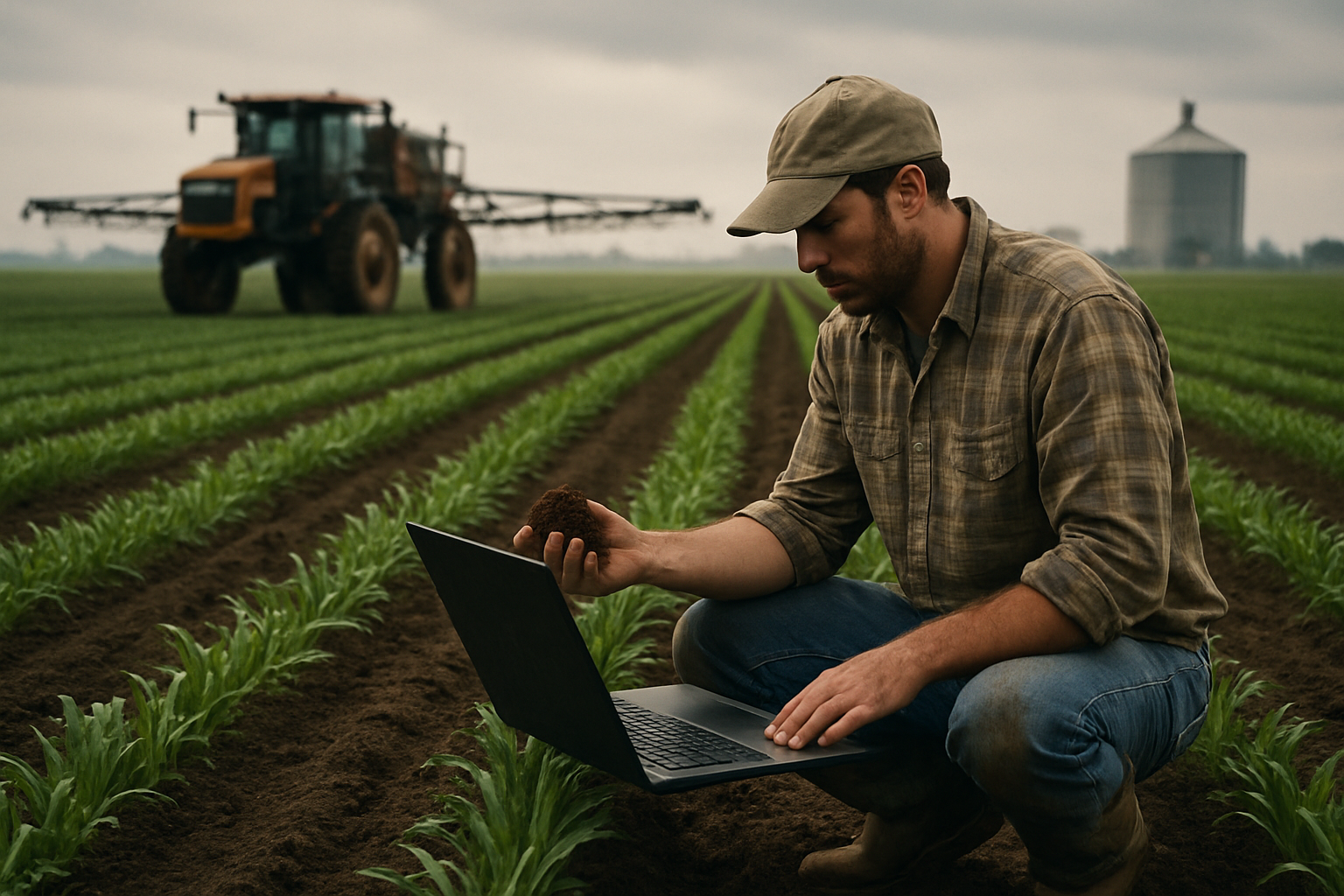
The intersection of soil science, crop nutrition, and agricultural technology is at a critical juncture in the United States. As global food demands increase and environmental challenges mount, the need for skilled specialists in these fields has never been more pressing. The landscape of agricultural education is shifting, and it is essential that the next generation steps up to fill the void left by retiring experts and evolving technologies. This article explores why soil science, crop nutrition, and AgTech require the next generation of U.S. specialists, particularly within the context of agricultural technology and research news.
Understanding the Demand for Specialists
The agricultural sector is facing unprecedented challenges, including climate change, soil degradation, and the need for sustainable farming practices, student careers. With these challenges come opportunities for agronomy careers that focus on innovative solutions. The complexity of modern food systems necessitates a workforce that is not only knowledgeable but also adaptable to new technologies. As soil science becomes increasingly data-driven, the demand for specialists who can interpret and apply this data effectively is critical.
Moreover, the rise of precision agriculture, an approach that utilizes technology to optimize field-level management, requires professionals who are well-versed in both agronomy and technological applications. This shift towards a more technical skill set means that educational institutions must adapt their curricula to prepare students for careers in these cutting-edge fields.
As we look to the future, agribusiness must prioritize the recruitment and training of the next generation of specialists. This involves not only attracting students to agricultural education programs but also ensuring they receive a comprehensive education that encompasses soil science, crop nutrition, and technological innovations.
The Role of University Research
University research plays a pivotal role in advancing agricultural technology and informing best practices in soil science and crop nutrition. Institutions are increasingly focusing on interdisciplinary approaches that combine traditional agronomy with modern technology. This is essential for developing new methods that enhance crop yields while maintaining soil health. The integration of research findings into practical applications is crucial for the advancement of sustainable farming practices.
Students enrolled in agricultural education programs are often involved in university research projects, providing them with hands-on experience that is invaluable for their future careers. Engaging with ongoing research helps students understand the complexities of food systems and the importance of sustainable practices. As they work alongside experienced researchers, they gain insights into the latest trends and technologies that are shaping the future of agriculture.
Furthermore, collaboration between universities and industry stakeholders enhances the relevance of research findings. By working together, they can address real-world challenges and ensure that the next generation of specialists is equipped with the knowledge and skills needed to thrive in the agricultural sector.
Challenges in Fertilizer Research
Fertilizer research is a critical component of crop nutrition and sustainable farming. However, the field faces challenges, including environmental concerns and the need for more efficient nutrient management practices. As soil health becomes a priority, the role of specialists in fertilizer research is becoming increasingly important. Understanding how to use fertilizers responsibly and effectively is essential for minimizing environmental impact while maximizing crop productivity.
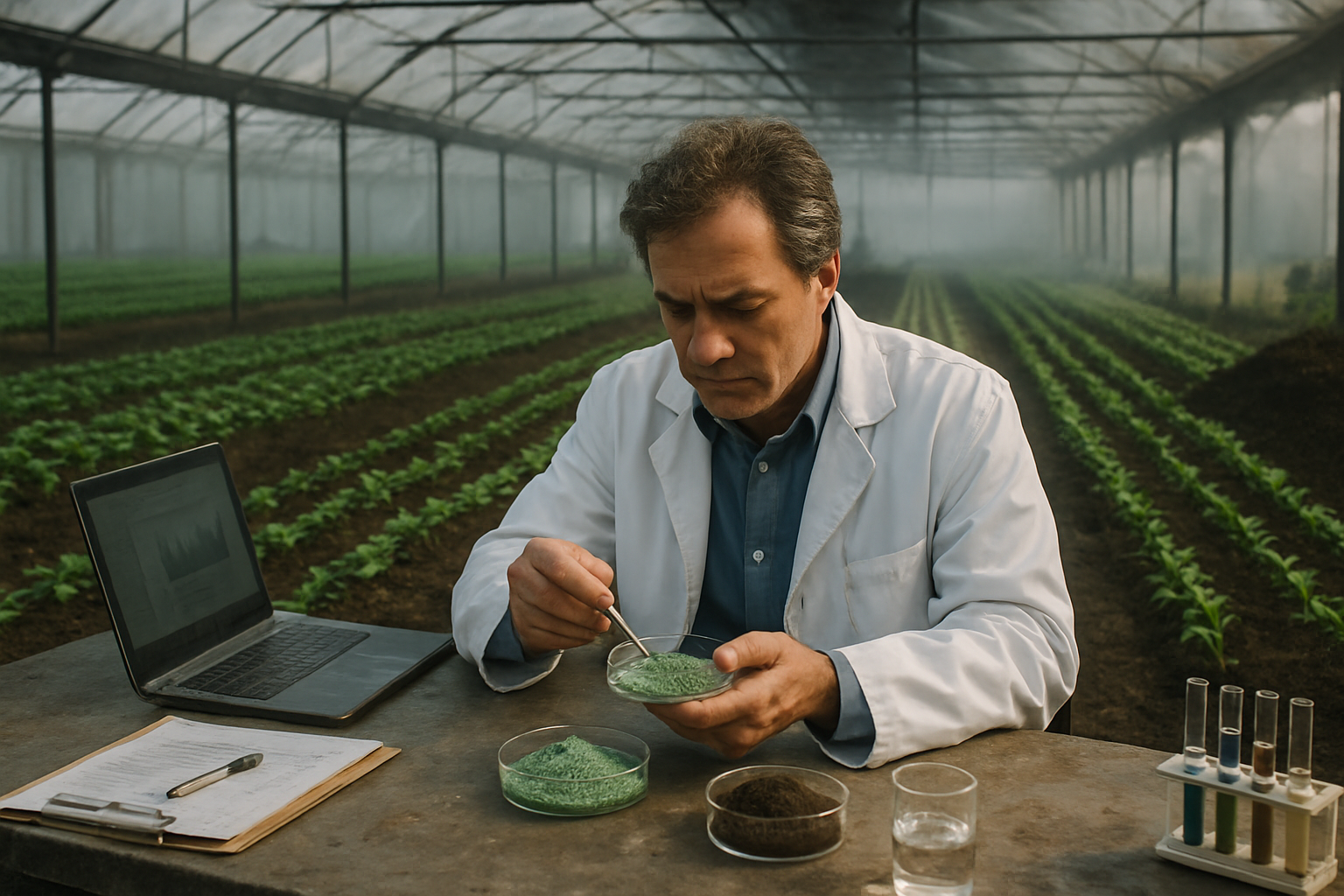
The next generation of specialists must be equipped with the knowledge to navigate these challenges. This means not only understanding the chemistry and biology of fertilizers but also being aware of the regulatory landscape and consumer expectations regarding sustainability. Training programs must emphasize the importance of responsible fertilizer use and the development of innovative solutions that meet both agricultural and environmental goals.
Moreover, advancements in technology are paving the way for more precise fertilizer applications. Specialists in this field will need to stay abreast of these developments, utilizing data analytics and precision agriculture techniques to optimize fertilizer use and improve crop nutrition. This requires a solid foundation in both agronomy and technology, highlighting the need for comprehensive educational programs.
Precision Agriculture: The Future of Farming
Precision agriculture represents a significant shift in how farming is conducted, utilizing technology to enhance efficiency and productivity. The integration of GPS, sensors, and data analytics allows farmers to make more informed decisions about crop management. As precision agriculture continues to evolve, the demand for specialists who can implement and optimize these technologies will only grow.
For students pursuing agronomy careers, understanding precision agriculture is essential. Educational programs must incorporate training on the latest tools and technologies, ensuring graduates are ready to meet industry demands. This includes not only technical skills but also an understanding of the broader implications of precision agriculture for food systems and sustainability.
The potential benefits of precision agriculture are immense, from reducing waste and lowering costs to improving crop yields and enhancing environmental stewardship. However, realizing these benefits requires a skilled workforce capable of leveraging technology to its fullest potential. By investing in the education of the next generation, the agricultural sector can ensure a sustainable future.
Bridging the Gap: Practical Steps for Students
For students interested in pursuing careers in soil science, crop nutrition, and agricultural technology, there are several practical steps they can take to prepare themselves for success. First, seeking internships and hands-on experiences during their studies can provide valuable insights into the industry. These experiences not only enhance learning but also help students build a professional network that can be beneficial for future job opportunities.
Second, students should actively engage with university research projects. Participating in research allows them to apply theoretical knowledge to real-world problems, deepening their understanding of soil science and crop nutrition. Moreover, collaborating with faculty and industry professionals can lead to mentorship opportunities and further career advancement.
Lastly, staying informed about industry trends is crucial. Students can do this by following agricultural technology and research news, attending conferences, and participating in relevant workshops. By being proactive and engaged, they can position themselves as knowledgeable candidates in a competitive job market.
Common Mistakes to Avoid
As students navigate their educational journeys, it is important to be aware of common pitfalls that can hinder their success in agronomy careers. One significant mistake is failing to seek out practical experiences. Many students focus solely on coursework, neglecting the importance of internships and hands-on learning opportunities. Real-world experience is invaluable in helping students understand the complexities of agricultural technology and research.

Another common mistake is not taking advantage of networking opportunities. Building relationships with professionals in the field can open doors and lead to job opportunities. Students should actively participate in industry events and engage with faculty members who can provide guidance and connections.
Lastly, students may overlook the importance of interdisciplinary knowledge. The fields of soil science, crop nutrition, and AgTech are interconnected, and understanding how they influence one another is crucial for a successful career. Students should strive to gain a well-rounded education that encompasses multiple aspects of agricultural science.
The Future of Agricultural Education
The future of agricultural education is bright, but it requires a commitment from both institutions and students to adapt to the evolving landscape of the industry. As the demand for specialists in soil science, crop nutrition, and AgTech continues to grow, educational programs must evolve to meet these needs. This includes incorporating cutting-edge research, technology, and practical experiences into curricula.
Additionally, fostering collaboration between universities and the agricultural industry is essential for ensuring that graduates are equipped with the skills necessary for success. By working together, they can create educational pathways that prepare students for the challenges and opportunities that lie ahead.
Ultimately, the next generation of specialists will play a pivotal role in shaping the future of agriculture. Their expertise will be vital for addressing the pressing issues facing food systems today, from sustainability to technological innovation. By investing in agricultural education and fostering a new wave of talent, we can ensure a prosperous and sustainable future for the industry.

I grew up in the Milwaukee area and have always loved campus life, so covering UW‑Parkside’s student newspaper feels like home. I enjoy highlighting the stories that matter to our community and helping students find their voice.