Introduction to Campus Dining Services
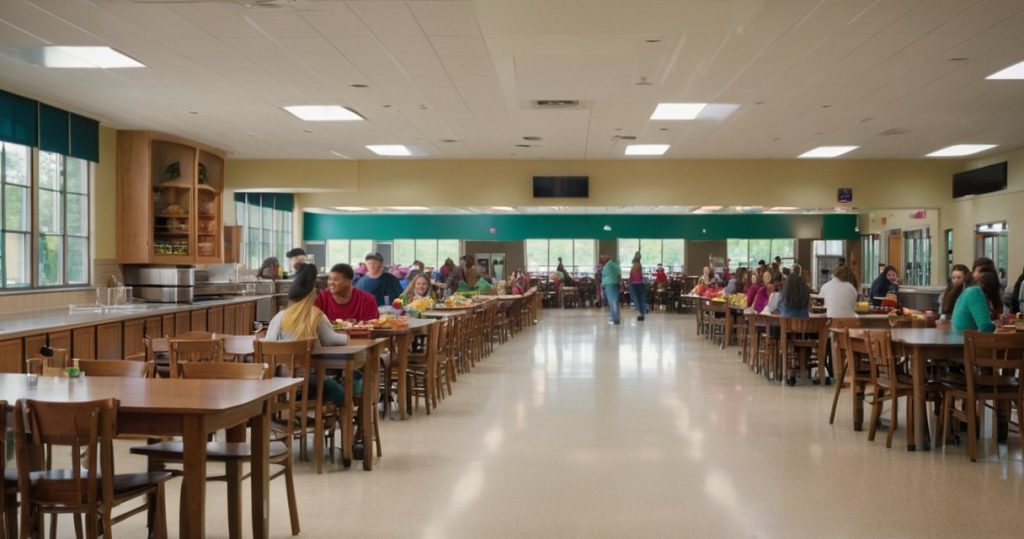
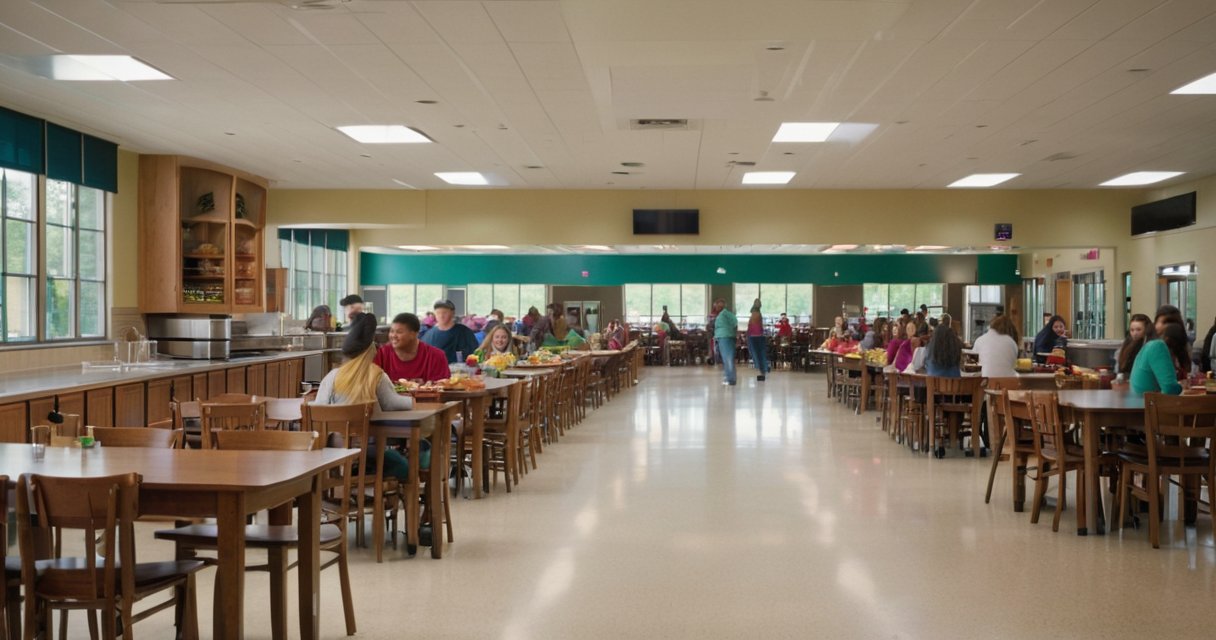
Campus dining plays a vital role in the overall college experience, providing students with convenient and nutritious options to fuel their academic and social lives. As a central part of campus life, these services are designed to meet the diverse needs of the student population by offering a variety of meal choices throughout the day. From breakfast to late-night snacks, campus dining ensures that students have access to balanced meals without having to leave the campus grounds.
The primary purpose of campus dining services is to support student well-being and academic success by delivering consistent and reliable food options. Whether students are looking for quick grab-and-go items or a sit-down meal with friends, college food options cater to different tastes, dietary needs, and cultural preferences. This inclusivity makes dining facilities welcoming spaces where students can recharge and connect with their peers.
In addition to providing nourishment, campus dining also enhances campus community life. Dining halls and cafés serve as gathering spots where students can socialize, collaborate on projects, or simply unwind between classes. Offering a broad spectrum of college food options—from traditional cafeteria fare to international cuisines—ensures that there is something for everyone, fostering a sense of belonging and comfort.
Understanding the campus dining overview is essential for students to fully take advantage of the benefits these services offer. Many campuses now emphasize sustainability and health-conscious choices, making it easier for students to make informed food selections. Additionally, meal plans and flexible payment options provide convenience and affordability, alleviating concerns about budgeting for meals while managing other college expenses.
Overall, campus dining services are more than just places to eat; they are integral to supporting student life and success. By offering diverse and appealing student meals, these services contribute significantly to the positive college experience and help create a vibrant campus environment.
Types of Dining Options Available
On most campuses, students and staff can enjoy a variety of dining options designed to meet different tastes, schedules, and dietary needs. These options typically include dining halls, cafeterias, food courts, and campus eateries, each offering unique benefits and features to enhance your dining experience on campus.
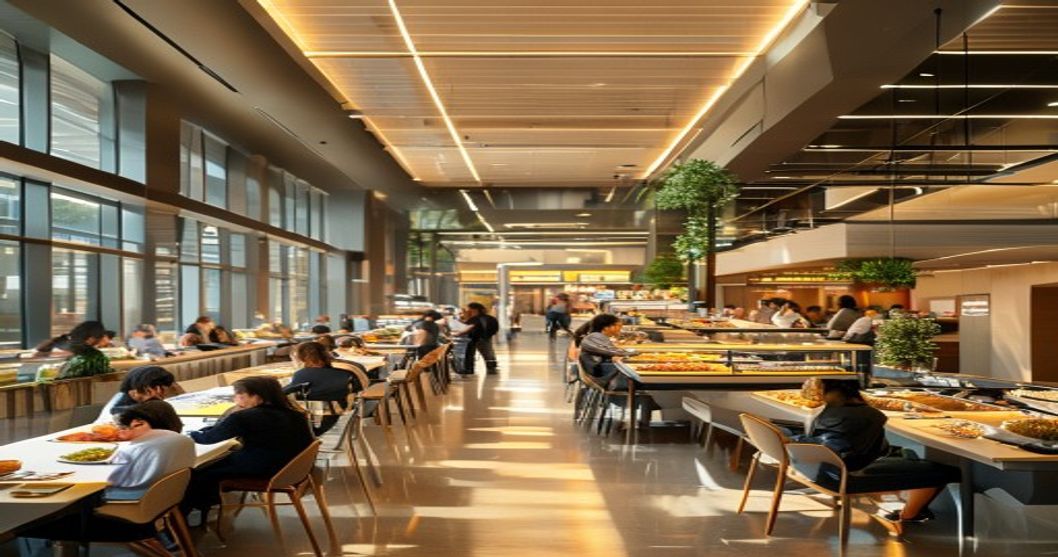
Dining halls are often the primary location for meals and provide a broad range of dishes, including hot entrees, salads, and desserts. These large, welcoming spaces are perfect for students looking for a sit-down meal in a communal setting. Offering all-you-can-eat options or meal plans, dining halls usually accommodate diverse dietary preferences such as vegetarian, vegan, gluten-free, and allergen-friendly foods to make sure everyone can find something they enjoy.
Cafeterias offer a more casual dining environment and commonly feature self-service counters or cashier stations where guests can select from a variety of freshly prepared items. These spaces are often found in academic buildings or residence halls, providing convenient access for students and faculty who need a quick and satisfying meal between classes or meetings. Many cafeterias focus on speed and efficiency without sacrificing quality, serving everything from sandwiches and soups to international cuisine.
Food courts on campus bring together multiple food vendors in one location, allowing diners to choose from a wide array of cuisines ranging from fast food to healthy options. This variety encourages culinary exploration and social interaction, making food courts popular hangout spots for students during lunch breaks or after classes. The dynamic atmosphere of food courts also means extended hours of operation, catering to those with late-night study sessions or irregular schedules.
Lastly, campus eateries encompass smaller, specialized food venues such as coffee shops, bakeries, and grab-and-go stations. These spots are perfect for students who want a quick snack, a caffeine boost, or freshly baked goods without having to visit a full-service dining hall. Many campus eateries emphasize local and sustainable ingredients, offering artisanal treats and beverages that reflect the community’s values and taste preferences.
Together, dining halls, cafeterias, food courts, and campus eateries create a diverse and vibrant culinary landscape on campus, ensuring that everyone has access to delicious and nutritious food options throughout the day.
Residential Dining Halls
Residential dining halls are at the heart of student dining on campus, offering a welcoming environment where students can enjoy a variety of meals throughout the day. These dining halls typically operate buffet style, allowing students to choose from a wide selection of freshly prepared dishes that cater to different tastes and dietary needs. This flexible setup ensures that everyone can find something satisfying and nutritious at any meal.
Students living on campus can take advantage of residence meal plans designed to fit their schedules and appetites. These plans often include options for unlimited visits or a fixed number of meals per week, providing convenience and value. The meal plans are structured to support students’ busy academic lives, helping ensure they have access to balanced meals without the hassle of cooking.
The meal variety offered in residential dining halls is extensive, often featuring rotating menus to keep choices fresh and exciting. You’ll find everything from classic comfort foods to international cuisine, vegetarian and vegan options, as well as allergen-friendly selections. Seasonal ingredients and made-from-scratch preparations are common, reflecting the dining hall’s commitment to quality and student satisfaction.
Overall, the residential dining halls play a vital role in fostering a community atmosphere while addressing students’ nutritional needs through comprehensive meal plans and diverse, buffet-style offerings.
Grab-and-Go Food Outlets
For students always on the move, grab-and-go food outlets provide the perfect solution for quick meals between classes. These convenient spots offer an array of convenience food options designed to save time without sacrificing taste or nutrition. Whether you’re rushing to your next lecture or squeezing in a bite during a short break, these outlets ensure you never have to compromise on eating well.
The menus at grab-and-go outlets typically include a variety of campus snacks such as pre-packaged sandwiches, wraps, salads, and fresh fruit cups. Additionally, fast food on campus—like gourmet burgers, fries, and hot dogs—is readily available, catering to those craving something more substantial. This diversity allows students to select quick meals tailored to their personal preferences and dietary needs.
Located strategically across campus in high-traffic areas such as libraries, student centers, and near lecture halls, grab-and-go outlets maximize accessibility and convenience. Their extended hours often accommodate early risers and late-night study sessions alike. By offering fast food on campus alongside healthier convenience food, these outlets create a balanced eating environment that meets the dynamic schedules and tastes of the student body.
Ultimately, grab-and-go food outlets play a vital role in campus dining services, providing an essential option for students seeking quick, satisfying meals without the wait. Their focus on affordability, speed, and variety makes them a cornerstone in supporting student life and academic success.
Meal Plans and Payment Methods
Campus dining services provide a variety of meal plans tailored to meet the diverse needs of students, ensuring flexibility and convenience throughout the academic year. Whether you prefer a set number of meals per week or a declining balance system, the available meal plans are designed to accommodate different eating habits and student lifestyles.
Most meal plans come in multiple tiers, ranging from basic access to on-campus dining halls to more comprehensive packages that include guest passes and additional dining dollars. These plans are typically purchased at the beginning of each semester and are managed through your campus card, which acts as both your meal access and payment method across all campus dining locations.
The campus card simplifies dining payments by allowing students to seamlessly swipe to pay for meals and snacks, eliminating the need to carry cash. Funds can be added to the card through various payment methods, such as credit/debit cards, online transfers, or direct deposits. This system also allows for quick tracking of meal plan usage and remaining balances, helping students stay informed about their dining options.
When choosing a meal plan, it’s important to consider your personal student budget and eating habits. For instance, students who eat most meals on campus might benefit from unlimited or large-block meal plans, while those who prefer occasional dining can opt for plans with dining dollars that work like a prepaid balance. Additionally, many plans offer rollover options, so unused meals or funds are saved for future use, providing added value and flexibility.
To make the most out of your meal plan, track your dining expenses regularly through the campus card portal and combine meal plan benefits with budgeting tips such as preparing light snacks or sharing meals occasionally. This balanced approach not only maximizes the use of campus dining services but also helps manage your student budget efficiently throughout the semester.
Special Dietary Accommodations
Campus dining services are committed to providing nutritious and enjoyable meals for all students, including those with special dietary needs. Recognizing the diverse preferences and health requirements of the campus community, dining halls have developed a range of options that cater specifically to vegetarian dining, allergy-friendly meals, and gluten-free options. This ensures that every student has access to delicious and safe food regardless of their dietary restrictions.

For students seeking vegetarian dining, campus eateries offer a variety of plant-based dishes crafted from fresh vegetables, legumes, grains, and dairy-free proteins. These meals not only support ethical and environmental considerations but are also designed to be flavorful and satisfying. Dedicated vegetarian stations in dining halls make it easy for students to identify meat-free options and enjoy balanced meals without compromise.
Allergy-friendly meals are a priority in the special diet campus programs. Dining services work closely with nutritionists and food safety experts to identify and label foods that are free from common allergens such as nuts, dairy, eggs, and shellfish. The kitchens maintain strict protocols to avoid cross-contact, providing peace of mind for students with food allergies. Additionally, students can customize their meals or request special preparations to further minimize allergen exposure.
Gluten-free options are plentiful and carefully prepared to meet the needs of those with celiac disease or gluten sensitivity. From gluten-free breads and pastas to specially crafted desserts, the campus dining facilities ensure that students who require gluten-free meals do not have to sacrifice taste or variety. Dedicated preparation areas and clearly marked gluten-free choices help maintain safety and confidence for these diners.
Overall, the special diet campus initiatives reflect a commitment to inclusivity and wellness. By combining educational resources, clear labeling, and attentive staff training, campus dining services make it easier than ever for students with dietary restrictions to enjoy the social and nutritional benefits of dining on campus. Whether it’s vegetarian dining, allergy-friendly meals, or gluten-free options, the campus ensures every student feels supported and nourished throughout their college experience.

I grew up in the Milwaukee area and have always loved campus life, so covering UW‑Parkside’s student newspaper feels like home. I enjoy highlighting the stories that matter to our community and helping students find their voice.