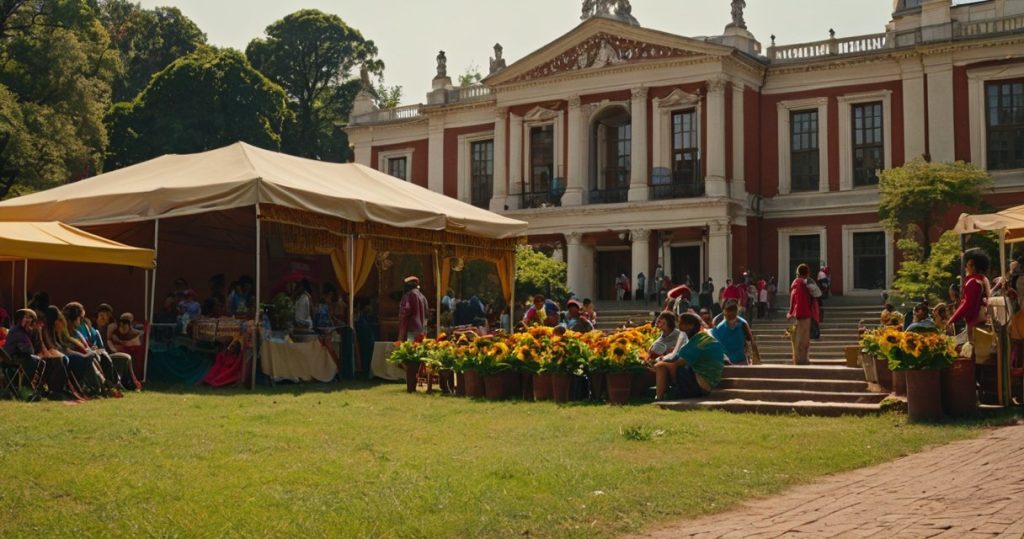
Overview of Cultural Festivals Hosted on Campus
Cultural festivals hold a special place in the tapestry of campus life, serving as vibrant reflections of student diversity and college traditions. These campus events are thoughtfully designed to celebrate the rich heritage, customs, and artistic expressions of various communities represented within the student body. By showcasing an array of cultural backgrounds, colleges promote unity, understanding, and inclusivity among students from all walks of life.
The significance of cultural festivals on campus extends far beyond mere celebration. They act as platforms where students can share their unique identities and stories, fostering a sense of belonging and pride. Many institutions organize annual events that highlight everything from traditional music and dance performances to authentic food fairs, art exhibitions, and interactive workshops. These gatherings not only entertain but also educate attendees about the diverse cultures coexisting on campus, reinforcing college traditions that embrace multiculturalism.
Variety is a hallmark of cultural festivals hosted on campuses. Whether it’s Diwali nights, Lunar New Year celebrations, African heritage months, or Hispanic heritage fairs, these events often include a blend of rituals, ceremonies, and modern interpretations. This diversity of programming attracts wide participation from students, faculty, and local communities alike, bridging cultural gaps and strengthening communal ties. Through such engagement, campuses cultivate environments where respect and appreciation for diversity thrive.
In essence, cultural festivals on college campuses are vital campus events that celebrate both individuality and collective identity. They enrich college traditions by weaving student diversity into the fabric of everyday campus life, encouraging cross-cultural dialogue and collaboration. As such, these festivals are more than just social occasions—they are essential expressions of inclusion and unity that contribute significantly to a dynamic and harmonious educational experience.
Popular Types of Cultural Festivals on Campus
Campus life is often enriched by a vibrant array of cultural festivals that bring students together to celebrate diversity and heritage. Among the most popular are international festivals, where students showcase the traditions, clothing, and customs of their home countries. These events foster understanding and appreciation for global cultures, often featuring colorful parades, traditional performances, and educational booths that highlight different parts of the world.
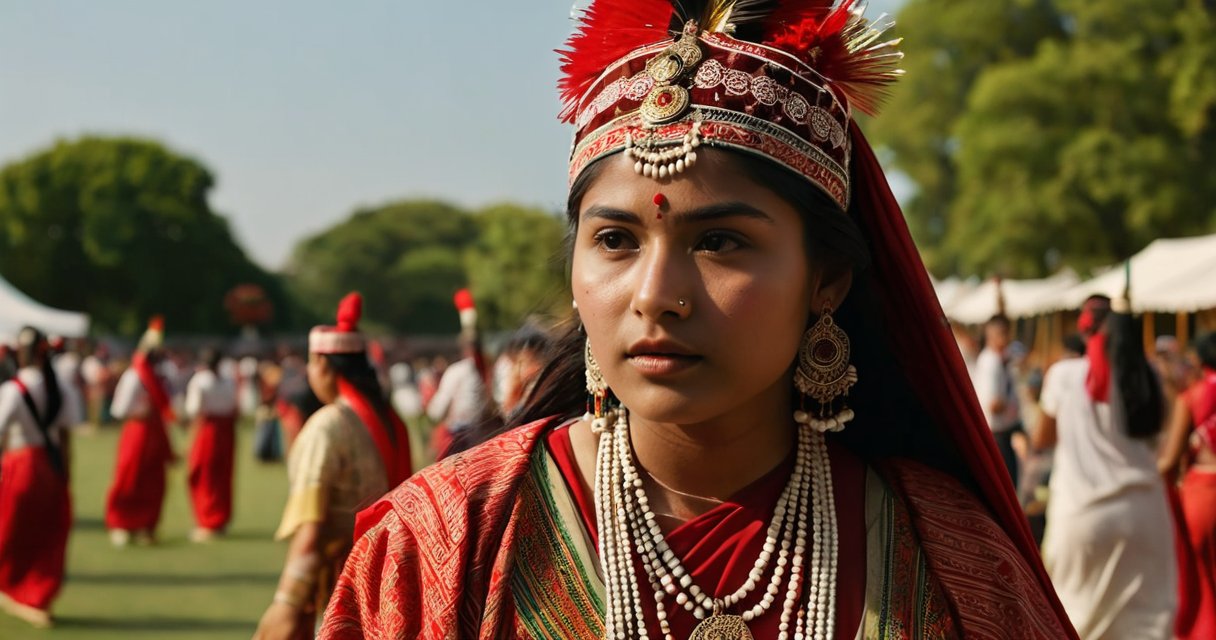
Music and dance performances also play a central role in campus cultural celebrations. These artistic showcases allow students to express their cultural identities through traditional and contemporary melodies and choreography. From classical dances rooted in ancient customs to energetic modern fusion acts, the diverse range of performances captivates audiences and promotes cultural exchange. Many universities host dedicated events or include these performances as part of larger festivals.
Food fairs are another beloved aspect of cultural festivals on campus. They offer an exciting opportunity for students and faculty to savor authentic dishes from around the world. Food stalls typically abound with aromatic spices, exotic flavors, and familiar comfort foods, making these fairs a sensory highlight. Sharing traditional cuisines not only tantalizes the taste buds but also serves as a gateway to learning about the stories and histories behind each dish.
In addition to these experiences, cultural exhibitions often accompany festivals, featuring art, crafts, and historical artifacts that provide deeper insights into various cultures. These exhibitions educate attendees about cultural heritage and contemporary issues, often through interactive displays and workshops. By engaging with these exhibitions, the campus community gains a broader perspective and a greater appreciation for global diversity.
Overall, these festivals—ranging from international days to music and dance performances, food fairs, and cultural exhibitions—create a dynamic atmosphere on campus. They encourage students to celebrate their own traditions while embracing those of others, fostering an inclusive environment where cultural exchange flourishes and lifelong memories are made.
International Cultural Days
International Cultural Days are vibrant celebration events organized on campus to showcase the richness of global cultures. These days are carefully planned to foster student participation from diverse backgrounds, creating a dynamic environment where cultural exchange thrives. Through a variety of activities, students have the opportunity to share their traditions, cuisine, music, and art, allowing for a deeper understanding of different cultural heritages.
The festival committee collaborates closely with student organizations representing various countries to ensure authentic representation of their cultures. This collaborative approach not only enhances student participation but also strengthens the bonds between students from different parts of the world. Cultural exchange sessions, including workshops and interactive dialogues, are scheduled alongside performances and exhibitions, making the celebration events both educational and entertaining.
By highlighting global cultures in an inclusive manner, International Cultural Days encourage students to appreciate diversity and embrace multiculturalism. These events play a vital role in promoting respect, empathy, and global awareness on campus. Ultimately, the International Cultural Days stand as a testament to the university’s commitment to celebrating the unique cultural identities within its student community while fostering lasting connections.
Music and Dance Festivals
Music and dance festivals on campus play a vital role in preserving and promoting cultural heritage by showcasing traditional music and captivating performances. These events offer a unique opportunity for students and community members to experience and appreciate diverse cultural expressions through well-choreographed dance routines and authentic musical styles.
By featuring traditional music, these festivals connect audiences to the rich histories and stories embedded within each culture. Performances often incorporate instruments, rhythms, and melodies passed down through generations, ensuring that these artistic elements remain vibrant and relevant in a modern setting. This continuity allows cultural heritage to thrive as it adapts to new contexts and reaches broader audiences.
Dance routines further enrich the experience by visually representing cultural narratives and values. Each movement and gesture within these routines is carefully crafted to honor long-standing traditions, making the festivals not only entertaining but also educational. Participants and spectators alike gain a deeper understanding of the customs and beliefs that shape different communities.
Overall, music and dance festivals on campus serve as dynamic platforms that celebrate cultural heritage. They foster inclusivity, encourage intercultural dialogue, and inspire pride among students, helping to keep these cultural legacies alive for future generations.
Benefits of Hosting Cultural Festivals on Campus
Cultural festivals hosted on campus serve as powerful catalysts for student engagement. These events provide students with unique opportunities to actively participate in various cultural activities, performances, and discussions. By encouraging involvement beyond the classroom, festivals make the campus experience richer and more dynamic, fostering an environment where students feel connected and motivated to contribute to campus life.
One of the most significant benefits of hosting cultural festivals is the enhancement of cultural awareness among students. Celebrating diverse traditions and customs allows students to gain a deeper understanding and appreciation of cultures different from their own. This exposure not only broadens their worldview but also helps combat stereotypes and prejudices, promoting a more inclusive and respectful campus community.
Community building is another crucial outcome of these cultural events. Festivals bring together students from various backgrounds, creating a shared space for interaction and collaboration. This collective experience fosters friendships, strengthens social bonds, and builds a sense of belonging within the campus community. As students work together to organize and participate in the festivities, they cultivate teamwork and mutual respect.
Finally, cultural festivals play a vital role in personal growth. Engaging with different cultures challenges students to step outside their comfort zones, encouraging self-reflection and adaptability. The experiences gained during these events help students develop empathy, communication skills, and a global mindset, all of which are essential qualities in today’s interconnected world. Through cultural festivals, students not only celebrate diversity but also grow as individuals poised to thrive in a multicultural society.
Tips for Organizing Successful Cultural Festivals on Campus
Organizing a successful cultural festival on campus requires careful event planning and coordination. Begin by defining clear objectives and themes that highlight the diverse cultures represented by your student body. Create a detailed timeline with deadlines for each stage of the festival, from securing venues to finalizing performances. Establishing a well-structured plan ensures that every aspect of the event is managed efficiently and sets the foundation for a memorable celebration.
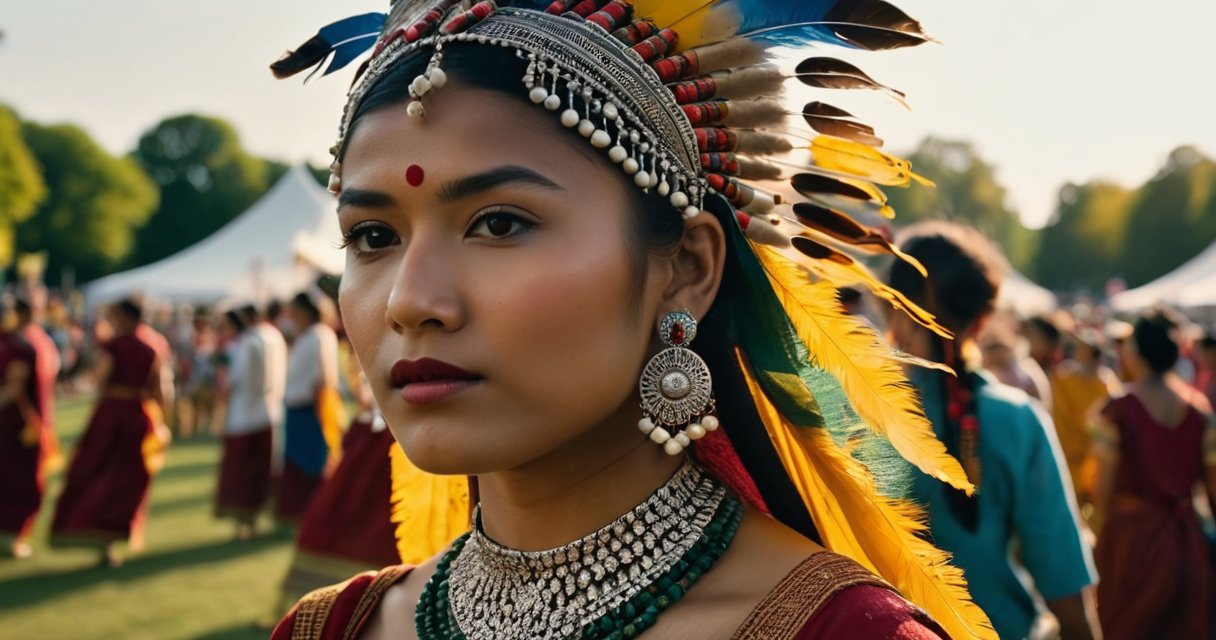
Student involvement is essential to the success of cultural festivals. Engage student organizations and cultural clubs early in the process to encourage participation and foster a sense of ownership. Form committees with students who have different skills, such as logistics, programming, and communications. This inclusive approach not only distributes responsibilities but also boosts enthusiasm and creativity, making the event more vibrant and authentic.
Budgeting plays a critical role in managing festival expenses while maximizing impact. Begin by outlining all potential costs including permits, decorations, talent fees, and marketing materials. Explore cost-effective solutions like partnering with local businesses for sponsorships or in-kind donations. Be realistic and allocate funds to priority areas to avoid overspending. Maintaining transparency and regularly updating the budget helps keep the financial aspect on track and prevents last-minute surprises.
Effective marketing strategies are key to attracting a broad campus audience and ensuring high attendance. Leverage multiple channels such as social media platforms, campus newsletters, and posters in popular student areas. Highlight unique features of the festival like food tastings, traditional performances, and interactive workshops in your messaging. Collaborate with influencers and student ambassadors to amplify reach. Early and consistent promotion builds excitement and invites community-wide participation.
By focusing on thorough event planning, fostering active student involvement, managing a realistic budget, and implementing strategic marketing, cultural festivals on campus can flourish. These efforts contribute to a dynamic atmosphere where cultural exchange and appreciation thrive, enriching the campus experience for everyone involved.

I grew up in the Milwaukee area and have always loved campus life, so covering UW‑Parkside’s student newspaper feels like home. I enjoy highlighting the stories that matter to our community and helping students find their voice.